
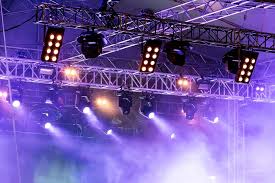
Touring productions demand precision, durability, and flexibility—especially when it comes to lighting. Whether you’re organizing concerts, theater shows, corporate events, or live performances, your lighting setup plays a crucial role in creating atmosphere and enhancing the audience experience.
But buying lighting gear for a touring production isn’t as simple as picking the brightest fixtures. You need equipment that travels well, performs consistently, and adapts to different venues. In this guide, we’ll walk you through everything you need to consider before making your investment.
Understanding the Basics of Stage Lighting Systems
Before diving into brands and budgets, it’s important to understand how stage equipment and lighting systems work together in a live touring setup.
Lighting isn’t just about illumination—it’s about storytelling. The right setup allows you to control mood, focus, and transitions throughout a performance. A typical touring lighting system includes:
- Lighting fixtures (moving heads, PAR cans, LED panels)
- Control systems (lighting consoles and software)
- Rigging and mounting hardware
- Cabling and power distribution
Each of these components must work seamlessly together. For touring productions, compatibility and ease of setup are critical because you’ll be assembling and dismantling your rig frequently.
You should also consider the type of events you’re producing. A rock concert requires dynamic, fast-moving lights, while a theater production might focus more on subtle, controlled illumination.
Portability and Durability Matter More Than You Think
Touring productions involve constant travel—loading, unloading, and transporting equipment across cities or even countries. That’s why portability and durability should be top priorities.
Key Factors to Consider:
1. Weight and Size
Compact and lightweight fixtures are easier to transport and install. Bulky equipment increases setup time and transportation costs.
2. Build Quality
Look for fixtures made with strong materials like aluminum housing. These can withstand the wear and tear of frequent movement.
3. Road Cases
Invest in high-quality flight cases to protect your gear during transit. Foam-lined cases can prevent internal damage.
4. Weather Resistance
If your production includes outdoor events, make sure your lighting equipment is weatherproof or at least water-resistant.
Choosing durable gear might cost more upfront, but it saves money in the long run by reducing repair and replacement needs.
Choosing the Right Fixtures for Touring Needs
When selecting fixtures, versatility is key. Touring productions often perform in different venues with varying sizes and layouts, so your lighting must adapt accordingly.
Common Types of Fixtures:
Moving Head Lights
These are essential for dynamic lighting effects. They can pan, tilt, and change colors, making them ideal for concerts and large events.
LED PAR Lights
Energy-efficient and versatile, LED PAR lights are great for wash lighting and color mixing.
Spotlights and Profile Lights
Used for highlighting performers or specific areas on stage.
Beam Lights
Perfect for creating dramatic, high-intensity effects.
Why Fixture Flexibility Is Important
Your fixtures should be able to serve multiple purposes. For example, a moving head that can function as both a spot and wash light reduces the need for additional equipment, saving space and cost.
Control Systems and Integration
A powerful lighting setup is only as good as its control system. Lighting consoles and software allow you to program cues, synchronize effects, and manage multiple fixtures simultaneously.
When investing in professional stage lighting equipment, make sure your control system supports:
- DMX compatibility
- Multiple universes (for large setups)
- User-friendly programming interface
- Backup and fail-safe features
Modern lighting consoles often come with touchscreen interfaces and advanced software integration, making them easier to operate even in complex productions.
Power Requirements and Energy Efficiency
Power management is a crucial aspect of touring productions. Different venues have different power capacities, and your lighting system must adapt accordingly.
Things to Keep in Mind:
1. Power Consumption
LED fixtures consume significantly less power than traditional halogen lights, making them ideal for touring.
2. Voltage Compatibility
Ensure your equipment can handle different voltage standards, especially for international tours.
3. Power Distribution Units (PDUs)
These help manage and distribute electricity safely across your lighting system.
4. Backup Power
Always have contingency plans, such as generators or backup circuits, to avoid show interruptions.
Energy-efficient equipment not only reduces operational costs but also minimizes the risk of power overloads.
Budgeting: Balancing Cost and Quality
Budget is always a major consideration, but going for the cheapest option can lead to problems down the line.
Smart Budgeting Tips:
- Prioritize essential equipment first
- Invest in multi-functional fixtures
- Consider long-term maintenance costs
- Look for warranty and support options
Sometimes renting equipment for specific shows can be more cost-effective than buying everything outright. Evaluate your production schedule and frequency before making big purchases.
Compatibility and Standardization
In touring productions, consistency is key. Using standardized equipment ensures smoother operations and easier troubleshooting.
Why Compatibility Matters:
- Simplifies setup and teardown
- Reduces technical issues
- Makes it easier to replace or upgrade components
- Allows crew members to work efficiently across different locations
Stick to widely used protocols like DMX and ensure all your equipment can communicate seamlessly.
Crew Training and Ease of Use
Even the best lighting equipment won’t perform well if your crew doesn’t know how to use it effectively.
Consider the Following:
- Is the equipment user-friendly?
- Does it come with proper documentation?
- Are training resources available?
Investing in training can significantly improve your production quality and reduce setup time.
Safety and Compliance
Safety should never be overlooked in a touring production.
Important Safety Considerations:
- Proper rigging and mounting
- Secure cable management
- Compliance with local regulations
- Fire-resistant materials
Always conduct safety checks before each show to ensure everything is in working order.
Future-Proofing Your Investment
Technology evolves quickly, especially in the lighting industry. Investing in future-proof equipment ensures your setup remains relevant for years to come.
Look For:
- Firmware update capabilities
- Modular designs
- Compatibility with new software
- Expandability options
This allows you to upgrade your system without replacing everything.
Helpful Tips Before You Buy
- Test equipment before purchasing whenever possible
- Read reviews and seek expert recommendations
- Buy from reputable suppliers
- Keep spare parts and backup fixtures
- Plan your setup according to venue sizes
Frequently Asked Questions (FAQs)
1. What type of lighting is best for touring productions?
LED lighting is generally the best choice due to its energy efficiency, durability, and versatility.
2. How do I reduce setup time during tours?
Use standardized equipment, label cables, and train your crew properly to streamline the process.
3. Is renting better than buying lighting equipment?
It depends on your frequency of use. Renting is ideal for occasional events, while buying is better for regular touring.
4. How important is a lighting console?
A lighting console is essential for controlling and programming your lighting setup efficiently.
5. What should I prioritize when buying lighting equipment?
Focus on durability, portability, compatibility, and energy efficiency.
Final Words
Buying lighting equipment for a touring production is a significant investment that requires careful planning and consideration. From choosing the right fixtures to ensuring durability and compatibility, every decision impacts the overall success of your production.
By focusing on quality, flexibility, and efficiency, you can build a lighting setup that not only meets your current needs but also adapts to future challenges. Take your time, do your research, and invest wisely—because great lighting doesn’t just illuminate the stage, it elevates the entire performance.


