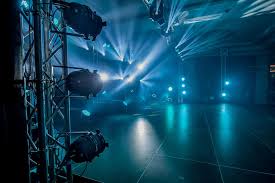
Lighting can completely transform a theater production, even in a small community setting. While budgets may be limited and equipment may not be as advanced as large venues, the right lighting approach can still deliver impressive, professional-looking results. LED lighting has made it easier than ever for small theaters to elevate their productions without overspending or dealing with complex setups.
In this guide, we’ll explore how you can use modern lighting techniques and tools to achieve a polished, professional look in your community theater. From understanding your space to mastering lighting design basics, these practical tips will help you make the most of your resources.
Understanding LED Stage Lighting
led stage lighting is a modern lighting solution that uses energy-efficient LED technology to illuminate stages. Unlike traditional lighting systems, LEDs produce bright light with less heat and lower energy consumption. This makes them ideal for small community theaters where power supply and ventilation may be limited.
LED lighting also offers flexibility in color, brightness, and effects. Instead of using separate filters or gels, you can easily adjust colors digitally. This allows you to create different moods and atmospheres without needing a large inventory of equipment.
For small theaters, LED lighting is especially valuable because it combines efficiency with versatility. A few well-chosen fixtures can handle multiple roles, from general illumination to dramatic spotlighting. Understanding how to use these lights effectively is the first step toward achieving professional results.
Know Your Stage and Space
Before setting up any lighting, it’s important to understand the physical layout of your theater. Every space is different, and lighting needs to be tailored to fit the environment.
Take note of the stage size, ceiling height, and audience seating arrangement. Smaller stages often require fewer lights, but placement becomes more important to avoid dark spots or uneven illumination.
Consider how actors move across the stage. Identify key performance areas and ensure they are well-lit. Also, pay attention to background elements such as sets and props, as lighting can enhance or distract from these features.
Spending time analyzing your space helps you create a lighting plan that maximizes visibility and visual impact.
Focus on Proper Light Placement
Even the best lighting equipment won’t deliver professional results if it is not positioned correctly. Proper placement is essential for achieving balanced and flattering illumination.
Lights should generally be placed above and slightly in front of the actors. This angle helps reduce harsh shadows and highlights facial expressions clearly. Avoid placing lights too low, as this can create unflattering shadows and glare.
In a small theater, you can often achieve great results with just a few strategically placed fixtures. Instead of adding more lights, focus on adjusting angles and positions to improve coverage.
Testing your setup during rehearsals allows you to fine-tune placement and ensure that every part of the stage is properly lit.
Use Color and Mood Effectively
Lighting is not just about visibility; it also sets the mood for each scene. LED lights make it easy to experiment with different colors and tones.
Warm colors like amber and soft yellow create a natural and inviting atmosphere, while cooler tones like blue or white can add drama or tension. Matching lighting colors with costumes and set design helps create a cohesive visual experience.
Avoid overusing bright or saturated colors, as this can distract the audience. Instead, use color changes thoughtfully to enhance storytelling. Subtle transitions between scenes can make your production feel more polished and professional.
Layer Your Lighting for Depth
One common mistake in small theaters is relying on a single type of lighting. This can make the stage look flat and uninteresting. Layering different types of lights adds depth and dimension.
A combination of front lights, side lights, and backlights creates a more dynamic look. Front lights provide visibility, side lights add shape, and backlights separate actors from the background.
Even with a limited number of fixtures, you can achieve layering by adjusting brightness and angles. This approach helps your stage look more visually engaging and closer to professional productions.
Choosing Professional LED Stage Lighting
While basic fixtures can work well, investing in professional led stage lighting can significantly improve your results. Professional-grade equipment offers better color accuracy, smoother dimming, and more reliable performance.
These lights often include advanced features such as programmable effects, adjustable beam angles, and compatibility with control systems. This allows you to create more precise and consistent lighting designs.
For a small community theater, you don’t need a large number of professional fixtures. Even a few high-quality lights can make a noticeable difference. Over time, you can expand your setup as your budget allows.
Choosing the right equipment ensures that your lighting not only looks good but also performs reliably during every show.
Control and Programming
Lighting control is an important part of achieving professional results. Modern LED systems can be connected to controllers that allow you to program cues and transitions.
This means you can automate lighting changes during the performance, ensuring smooth transitions between scenes. Instead of manually adjusting lights, you can focus on timing and coordination with the actors and music.
Even basic controllers can provide enough functionality for small productions. Learning how to program simple cues can greatly enhance the overall quality of your show.
Keep Maintenance in Mind
Regular maintenance is essential for keeping your lighting system in good condition. Dust and dirt can reduce brightness, while loose connections can cause flickering or failures.
Make it a habit to clean your lights and check cables before each production. Ensure that all fixtures are securely mounted and properly aligned.
LED lights generally require less maintenance than traditional systems, but taking care of your equipment ensures consistent performance and longevity.
Practical Tips for Better Results
Achieving professional lighting doesn’t always require expensive equipment. Small improvements can make a big difference.
Rehearse with full lighting whenever possible so you can see how it interacts with costumes and sets. Observe the stage from different audience positions to identify any issues.
Keep your design simple and focused. Too many effects can overwhelm the audience, while a clean and balanced setup often looks more professional.
Collaboration is also important. Work with directors, set designers, and performers to ensure that lighting complements every aspect of the production.
FAQs About LED Stage Lighting in Small Theaters
Q1: Can small theaters achieve professional lighting results?
Yes, with proper planning, placement, and use of LED lighting, small theaters can create high-quality visual experiences.
Q2: How many lights do I need for a small stage?
It depends on the size and complexity of the production, but a small setup of 6–10 fixtures can be sufficient.
Q3: Are LED lights better than traditional lights?
Yes, LEDs are more energy-efficient, produce less heat, and offer greater flexibility in color and control.
Q4: Do I need a lighting controller?
While not mandatory, a controller helps automate cues and transitions, making your production more professional.
Q5: How can I improve lighting on a tight budget?
Focus on proper placement, layering, and using versatile LED fixtures that can perform multiple functions.
Final Words
Achieving professional results with LED stage lighting in a small community theater is entirely possible with the right approach. By understanding your space, positioning lights carefully, using color effectively, and layering your lighting design, you can create a polished and engaging performance.Investing in professional led stage lighting further enhances your ability to deliver consistent and high-quality results, even with limited resources. With practice, planning, and creativity, your small theater can produce shows that rival larger productions in visual impact.
For those looking for reliable lighting solutions, JJY Stage ship products to USA, offering a wide range of LED stage lighting suitable for community theaters and professional venues alike. With the right tools and techniques, your stage can truly come to life.