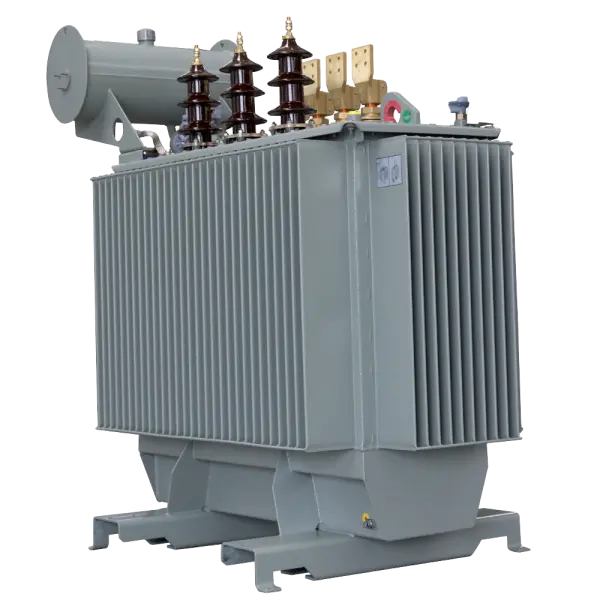
Reliable energy systems are the backbone of modern infrastructure, supporting everything from hospitals and schools to industries and transportation networks. Central to this reliability are power transformers in UK, which ensure electricity is efficiently transmitted and distributed across cities and rural areas alike. When strong transformers are missing, electricity slips away, blackouts pop up often, yet the entire power network grows shaky. Since Britain keeps adding green energy while linking smarter grid systems, reliable transformer setups matter far more now than before.
Transformers in Power Networks
Power stations create high-voltage electricity, yet that form isn’t safe to use right away. Because it travels far, lowering the voltage makes delivery more efficient. Homes and factories need stable power, so devices adjust those levels properly. Safety improves when strong currents get reduced before reaching users. Energy waste drops sharply once conversion happens close to where it’s needed. With more people using power across the UK, these units help balance growing needs. Reliability depends on smooth shifts between different voltages across the network.
The Effect of Steady Power on Community Services
When the lights stay on, hospitals keep running without hiccups. Life support stays active because power flows without breaks. Trains move on time only if signals and tracks get constant juice. Blackouts often start with old or weak transformers failing under pressure. These failures ripple outward – delays grow, costs pile up, risks rise. A smarter grid means fewer surprises during storms or peak hours. Trust builds slowly when people see systems holding strong. Upgraded transformers do more than just carry current – they hold society together behind the scenes.
Supporting Industry and Economic Balance
Factories play a big role in how the UK makes money, yet they need steady power to keep running well. When electricity cuts out, machines stop working, equipment breaks down, even daily expenses climb higher. Good power setups with modern transformers cut down those issues most times. Take places where work happens nonstop – transformers let assembly belts move without surprise pauses, especially around hubs such as Manchester or London. Strong grids mean fewer problems, better output across the country, all while keeping sudden blackouts at bay more often than not.
Adding Solar and Wind Power
Wind, sunlight, and ocean tides now draw strong backing across Britain as ways to make electricity. When these natural forces spark power, the output isn’t always steady in strength. To match what flows through the country’s main lines, adjustments are needed. Step in devices that shift voltage up or down – key players linking green sources to city networks. Offshore turbines, for example, send out intense surges better suited for long travel but too forceful near homes. Before it lands at neighborhood stations, that current gets softened by smart engineering. Well-built units handling this job keep clean energy running smoothly, helping cut ties to coal and gas while moving toward cleaner air targets.
Less Energy Wasted Better Performance
Moving power over long stretches often wastes energy. Yet devices called transformers make that trip smoother by managing how strong the current runs. Better models keep things running cleanly, saving money without extra effort. That quiet improvement might just keep bills steadier for people at home. Swapping outdated units while sticking to checkups pays off when storms hit or everyone turns on their heaters.
Thinking Ahead About What Infrastructure Will Be Needed Later
When cities grow faster, power systems need to keep up. Because tech spreads wider, modern equipment needs steady electricity flow. Transformers support EV chargers, digital networks, smart meters – each one depends on stable supply. Instead of reacting late, planners now look ahead, checking load levels early. Upgrading gear before failures happen keeps lights on across regions. Stronger transformers mean fewer blackouts, less disruption over time. With careful choices today, energy access stays secure far into the future.
Selecting Appropriate Transformers and Their Suppliers
Every project needs reliable transformers to keep things running smoothly. In the UK, trusted supplier networks deliver gear built to match regional rules and demands. Efficiency matters – so does how long units last under stress, along with access to repair help when needed. Strong partnerships with known providers mean fewer breakdowns, longer service life, quality components, plus steady expert backup through every phase.
Conclusion: Investing in a Resilient Energy Future
Reliable energy systems are more than just a convenience—they are fundamental to the UK’s safety, economy, and sustainable growth. From supporting public services to integrating renewable energy, robust transformers form the backbone of this infrastructure. By collaborating with trusted transformer manufacturers in UK and Transformer Suppliers, policymakers and engineers can ensure that the country’s energy network remains resilient, efficient, and future-ready. Investing in these systems today lays the foundation for a stable, sustainable, and technologically advanced energy landscape tomorrow.
FAQs
What are power transformers and why are they important?
Power transformers adjust voltage levels in the electricity grid, ensuring safe and efficient transmission from power plants to homes and industries. They are crucial for minimizing energy loss and maintaining system reliability.
How do UK Transformer Suppliers support infrastructure projects?
Suppliers provide high-quality transformers, technical expertise, and maintenance services, helping infrastructure projects meet energy demands safely and efficiently.
Can renewable energy affect transformer performance?
Yes, renewable energy sources like wind and solar can produce variable voltages. Reliable transformers help stabilize this electricity and integrate it seamlessly into the grid.
How often should transformers be maintained?
Regular maintenance, typically annually or biannually depending on usage and environment, is essential to prevent failures and extend the lifespan of transformers.
What role do transformers play in economic stability?
Transformers ensure uninterrupted electricity for industries and public services, reducing operational losses and supporting consistent economic activity.