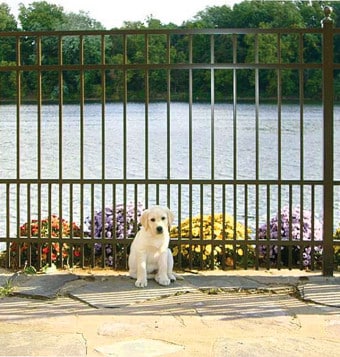
When it comes to enhancing privacy, security, and aesthetic appeal, wood fences installation continues to be a top choice among homeowners. Even with newer options such as metal or vinyl around, wood fences keep their appeal across old-fashioned and modern homes alike. Because they fit many budgets, blend into landscapes easily, work in various designs. This post looks at why wooden barriers still matter today, what to think about ahead of putting one up, ways to get better value once it is in place.
The Natural Look of Wood Fences
A strong draw for choosing wooden fences lies in how they simply look – alive, real, earthy. Synthetic options often feel out of place, but timber fits like it grew there, sitting well beside trees, flowers, paths. Homes tucked into suburbs or spread across rural land both gain something quiet and solid from these barriers. Paint brings color, stain deepens grain, sealants guard against weather, each layer adding purpose beyond mere appearance. Over years, even as seasons shift, the way it looks stays grounded, never forced.
Cost Effective Compared to Other Materials
One big plus? It does not cost much to start with. Wood fences come cheaper at first when compared to things like metal or synthetic types. People watching their spending find this helpful, getting something strong and useful without overspending. Fixing them usually takes less time, also costs less – just swap out one piece instead of tearing everything down. Picking the right installer means even low-cost wood fencing holds up well over years.
Versatility Across Design and Use
Fences made from wood fit nearly any purpose you might have around a home. Picket styles bring charm, whereas high wooden walls block views and dampen sound. One option stands low and ornamental, another stretches tall to enclose space quietly. Depending on need, they rise short or climb high, shaped to follow yards, wrap pools, or mark edges clearly. Some hold back wind, others simply define where one property ends. Their adaptability keeps people coming back, again and again.
Environmental Sustainability
When it comes to green building, wooden fences shine. Because trees regrow, lumber counts as a replenishable material – so long as harvests stay controlled. Unlike products forged through heavy industrial methods, timber demands less energy to produce. After years outdoors, old planks might become garden beds instead of landfill clutter. People focused on planet-friendly picks tend to land here naturally.
Easy Setup And Upkeep
A wooden fence usually goes up without much trouble, so time and money stay low because skilled workers move fast. Since crews know the steps well, they finish quickly, letting life return to normal sooner than expected. Caring for it matters, yet isn’t overwhelming – every few seasons, apply stain or paint just like you would indoors. That layer blocks rain, sun, bugs, and decay, keeping planks strong through changing seasons. With steady attention, most timber barriers stand firm between ten and two decades, sometimes longer if wood grade and local weather behave.
Following Local Rules
Getting a fence up starts with knowing the rules in your area. Often, those rules set how tall it can be, where it sits on your property line, and what it’s allowed to look like. Wood fences tend to fit right into neighborhood guidelines because they’re familiar and flexible. Talking to experts helps avoid trouble later even if things seem straightforward at first. A solid fencing team makes sorting permissions easier, which keeps delays and surprises off the table.
Raising Home Worth and Safety
A fresh-looking timber fence catches the eye, yet brings real worth to your home too. With care, it lifts how the outside appears, something people notice when they look around. Because it marks where land ends and begins, strangers are less likely to wander in. When little ones play or dogs run free, strong wood barriers keep them safely inside. Looks matter, sure, but doing a job well matters more – this is why so many still choose it.
Choosing the right timber fence
Picking a suitable wood matters when you want something long-lasting. Cedar or redwood stand up well against rot and bugs, so they handle outside exposure nicely. Instead of pricier options, pressure-treated pine brings solid strength at lower expense. Weather where you live plays a role too – rain, sun, or freeze cycles change how fast materials wear down. Checking things now and then, fixing issues early keeps the structure sound and looking decent through years.
Conclusion
Timber fencing continues to stand the test of time due to its natural beauty, affordability, and versatility. From enhancing property value to providing privacy and security, it offers a comprehensive solution for homeowners. By understanding factors such as maintenance requirements and local codes for fences, you can make an informed decision that suits your needs. Ultimately, working with experienced local fence installers ensures a smooth installation process and long-lasting results, making timber fencing a smart and reliable investment.
FAQs
What is the lifespan of a timber fence?
A well-maintained timber fence can last between 10 and 20 years, depending on the type of wood and environmental conditions.
How often should I maintain my wood fence?
It’s recommended to inspect your fence annually and apply stain or sealant every 2–3 years to protect it from weather damage.
Is timber fencing suitable for all climates?
Yes, but the type of wood and treatment should be chosen based on local weather conditions to ensure durability.
Are timber fences environmentally friendly?
Timber fencing is considered eco-friendly when sourced from sustainable forests, as wood is a renewable and biodegradable material.
Do I need permission to install a fence?
In many areas, you must follow local codes for fences, which may require permits or adherence to specific guidelines regarding height and placement.