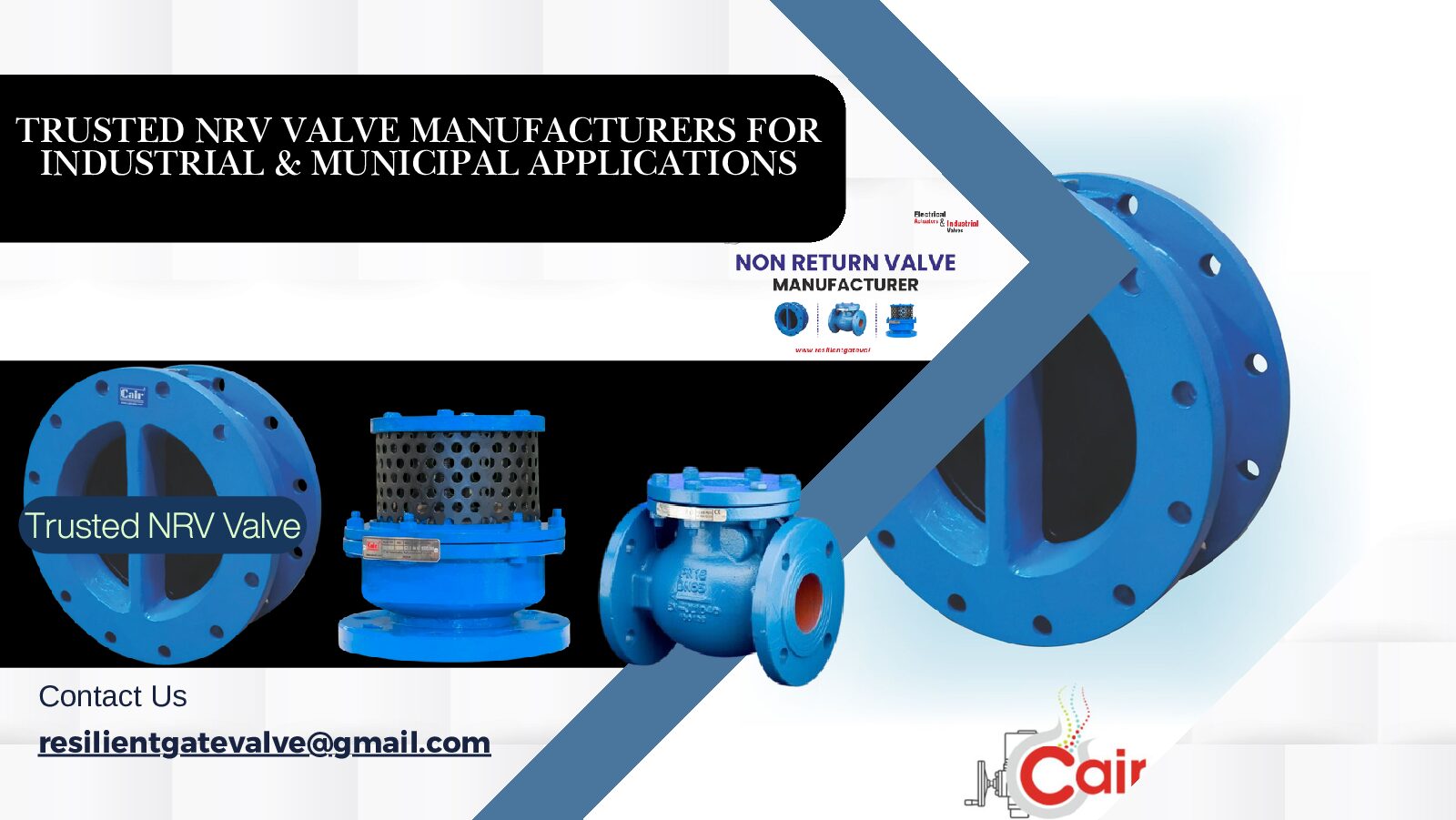
In any fluid system, maintaining the correct direction of flow is very important. Whether it’s water supply, wastewater treatment, or industrial processing, reverse flow can cause serious damage to pipelines, pumps, and equipment. This is where a Non Return Valve (NRV) plays a crucial role.
A non return valve ensures that fluid flows in only one direction, automatically preventing backflow. However, the performance of this valve also depends on choosing a reliable Non Return Valve Manufacturer. In this article, we will explain everything in a simple and easy way.
💡 What is a Non Return Valve?
A Non Return Valve is a type of valve that allows fluid (liquid or gas) to flow in one direction only. It closes automatically when the flow reverses, protecting the system from damage.
Unlike manual valves, NRVs do not require human operation. They work automatically based on fluid pressure.
A trusted Non Return Valve Manufacturer designs these valves with precision to ensure smooth operation, tight sealing, and long service life.
⚙️ How Does a Non Return Valve Work?
The working principle of a non return valve is simple:
- When fluid flows in the forward direction → the valve opens
- When flow stops or reverses → the valve closes automatically
This happens due to internal components such as a disc, ball, or plate.
🔑 Example:
In a pump system:
- When the pump runs → valve opens and allows flow
- When the pump stops → valve closes to prevent backflow
A high-quality valve from a reliable Non Return Valve Manufacturer ensures fast response and efficient performance.
🔑 Types of Non Return Valves
Different types of NRVs are used based on system requirements:
🔹 Swing Check Valve
Uses a hinged disc that swings open and closes with flow direction.
🔹 Lift Check Valve
Uses a disc that lifts up with pressure and closes when flow stops.
🔹 Ball Check Valve
Uses a ball that moves with flow and blocks reverse flow.
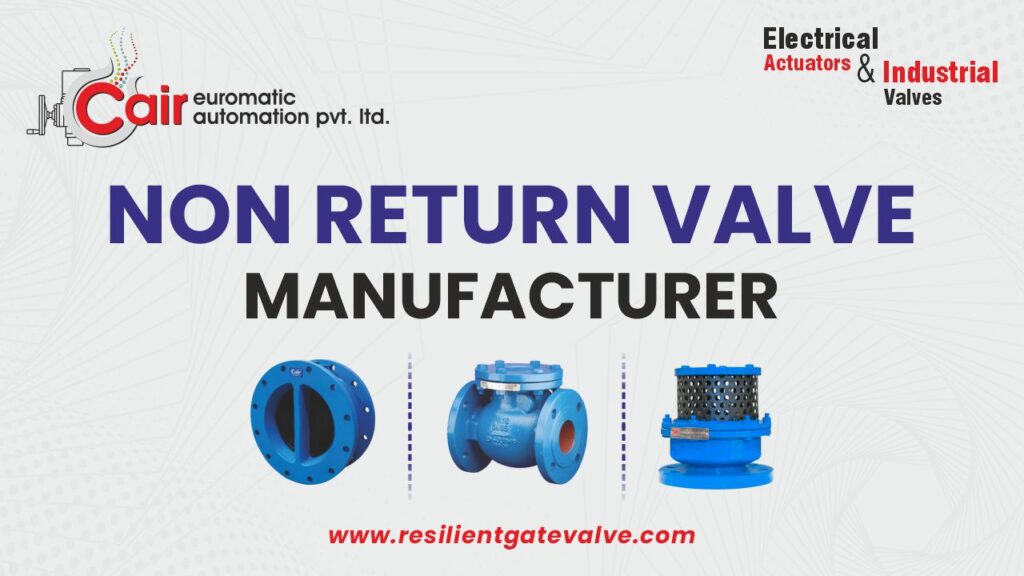
🔹 Dual Plate Check Valve
Uses two plates for quick closing, suitable for high-pressure systems.
A professional Non Return Valve Manufacturer offers all these types to match different industrial needs.
🏗️ Applications of Non Return Valves
Non return valves are used in many industries because they protect systems and improve efficiency.
💧 Water Supply Systems
Prevent backflow and protect pipelines.
🌊 Wastewater & Sewage Systems
Ensure proper flow direction and avoid contamination.
🏭 Industrial Applications
Used in chemical plants, oil & gas industries, and manufacturing units.
🚰 Pumping Systems
Protect pumps from reverse flow damage.
⚡ Power Plants
Used in cooling and fluid management systems.
A trusted Non Return Valve Manufacturer designs valves that can perform reliably in all these applications.
⭐ Benefits of Non Return Valves
✔️ Prevents Backflow
Stops reverse flow and protects the system.
✔️ Protects Equipment
Reduces damage to pumps, pipes, and machinery.
✔️ Automatic Operation
Works without manual control.
✔️ Low Maintenance
Simple design means fewer maintenance issues.
✔️ Improves Efficiency
Ensures smooth and uninterrupted flow.
When sourced from a reliable Non Return Valve Manufacturer, these benefits become even more effective.
🔍 Why Choosing the Right Manufacturer Matters
The performance of a non return valve depends not only on design but also on manufacturing quality.
A trusted Non Return Valve Manufacturer ensures:
- Use of high-quality materials
- Precision engineering
- Strict quality testing
- Long-lasting performance
Poor-quality valves may lead to leakage, failure, and increased maintenance costs.
⚙️ Materials Used in Non Return Valves
NRVs are made using different materials depending on the application:
- Cast Iron
- Ductile Iron
- Stainless Steel
- Brass
A reliable Non Return Valve Manufacturer helps you choose the right material based on pressure, temperature, and fluid type.
🚀 How to Choose the Right Non Return Valve
When selecting a valve, consider:
- Type of fluid
- Pressure and temperature
- Pipe size
- Installation position
- Maintenance needs
Choosing the right valve from an experienced Non Return Valve Manufacturer ensures better performance and durability.
🏁 Conclusion
A Non Return Valve is a simple yet essential component that ensures safe and efficient operation of fluid systems. By allowing flow in one direction and preventing backflow, it protects pipelines and equipment from damage.
However, the real value comes when you choose a trusted Non Return Valve Manufacturer. High-quality manufacturing ensures reliability, durability, and long-term performance.
Whether for water systems, industrial use, or pumping applications, NRVs are a must-have for modern infrastructure.
❓ Frequently Asked Questions (FAQs)
1. What is a Non Return Valve used for?
A non return valve is used to allow fluid flow in one direction and prevent backflow in pipelines.
2. How does a Non Return Valve work?
It opens when fluid flows forward and closes automatically when the flow reverses.
3. Why is a Non Return Valve important?
It protects pumps, pipelines, and equipment from damage caused by reverse flow.
4. What are the types of Non Return Valves?
Common types include swing check, lift check, ball check, and dual plate check valves.
5. Where are Non Return Valves used?
They are used in water systems, wastewater plants, industrial processes, and pumping systems.
6. Do Non Return Valves require maintenance?
They require minimal maintenance due to their simple design, but periodic inspection is recommended.
7. What materials are used in Non Return Valves?
Common materials include cast iron, stainless steel, ductile iron, and brass.
8. How do I choose the right Non Return Valve?
Consider factors like fluid type, pressure, temperature, and pipe size before selecting.
9. What happens if a Non Return Valve fails?
Failure can cause backflow, leading to equipment damage and system inefficiency.
10. Why choose a trusted Non Return Valve Manufacturer?
A reliable manufacturer ensures high-quality, durable, and efficient valves with long service life.
Discover advanced motorized butterfly valve solutions from leading manufacturers for reliable, efficient, and automated flow control systems.