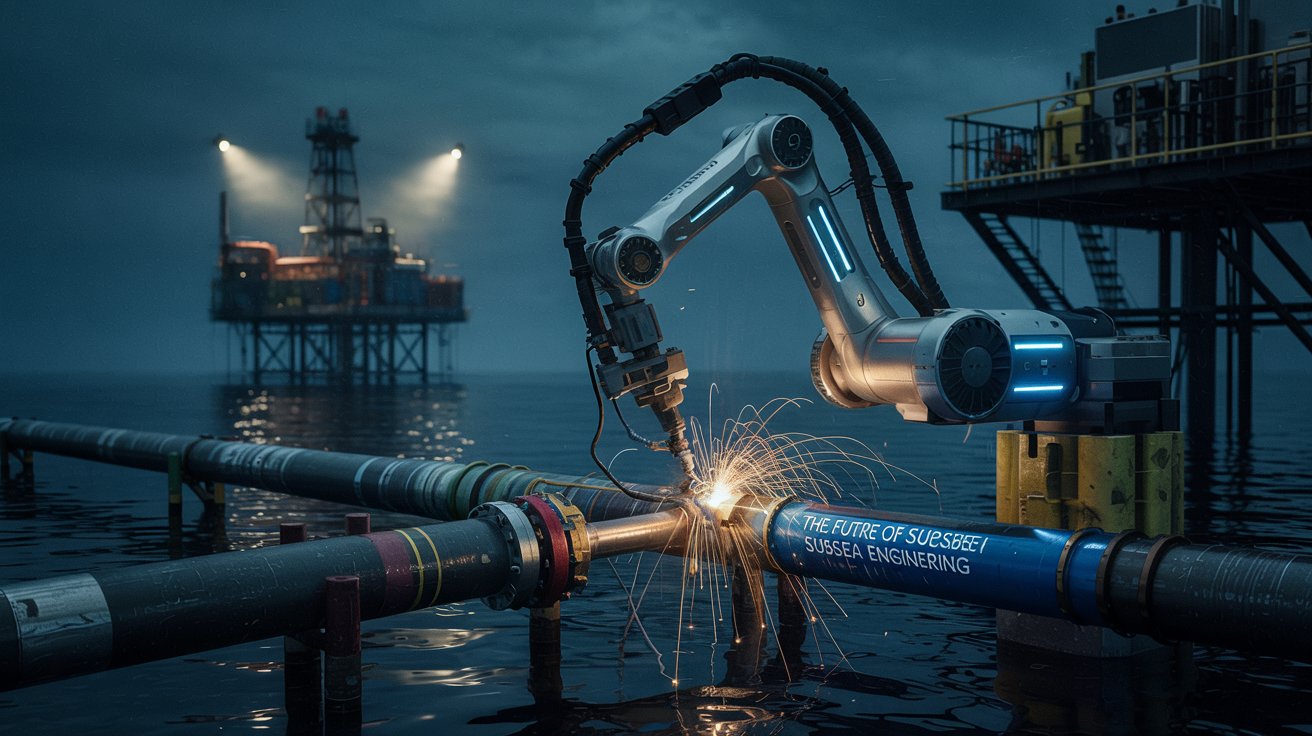
Offshore energy has always pushed the limits of engineering, demanding solutions that can withstand extreme pressures, harsh environments, and complex operational challenges. At the center of this evolution lies subsea engineering—a field that continues to redefine how energy is extracted, processed, and transported beneath the ocean surface. As the global demand for energy grows alongside sustainability goals, the future of subsea engineering is set to become more innovative, efficient, and technologically advanced than ever before.
The Evolving Landscape of Offshore Energy
The offshore energy sector is undergoing a significant transformation. Traditional oil and gas projects are being complemented by renewable energy initiatives such as offshore wind and subsea power systems. This shift requires engineering solutions that are not only robust but also adaptable to new energy frameworks.
Subsea engineering plays a crucial role in enabling deeper exploration and production. With easily accessible reserves declining, companies are moving toward ultra-deepwater environments. These conditions demand advanced systems capable of operating autonomously and reliably over long periods with minimal human intervention.
Within this context, subsea production equipment has become a cornerstone of modern offshore operations, ensuring safe and efficient extraction while reducing environmental risks. Its role is expected to expand further as projects become more complex and geographically dispersed.
Technological Advancements Driving Innovation
The future of subsea engineering is closely tied to technological progress. Automation, digitalization, and artificial intelligence are reshaping how subsea systems are designed, monitored, and maintained.
Digital twins, for example, allow engineers to create virtual replicas of subsea systems. These models provide real-time insights into performance and potential issues, enabling predictive maintenance and reducing downtime. Similarly, robotics and remotely operated vehicles (ROVs) are becoming more sophisticated, capable of performing intricate tasks without direct human control.
Another major advancement is the integration of sensor technology. Modern subsea systems are equipped with smart sensors that continuously collect data on pressure, temperature, and structural integrity. This data-driven approach enhances decision-making and improves overall operational efficiency.
Sustainability and Environmental Considerations
Environmental responsibility is now a key priority in offshore energy projects. Subsea engineering is evolving to meet stricter regulations and reduce ecological impact. Engineers are designing systems that minimize leaks, reduce emissions, and ensure safer operations.
One of the key trends is the electrification of subsea systems. By replacing traditional hydraulic systems with electric alternatives, operators can significantly reduce energy consumption and carbon emissions. This shift aligns with global efforts to transition toward cleaner energy solutions.
Additionally, subsea tiebacks—connecting new wells to existing infrastructure—are gaining popularity. This approach reduces the need for new surface installations, lowering both costs and environmental impact.
The Role of Automation and Remote Operations
Automation is transforming subsea engineering from a labor-intensive field into a highly efficient, technology-driven domain. Remote operations centers now allow engineers to monitor and control subsea assets from onshore locations, reducing the need for offshore personnel.
Autonomous underwater vehicles (AUVs) are also playing a growing role. These systems can perform inspections, mapping, and maintenance tasks without human intervention. Their ability to operate continuously and access hard-to-reach areas makes them invaluable for future offshore projects.
As automation continues to evolve, subsea systems will become more self-sufficient, capable of detecting and resolving issues independently. This will lead to increased reliability and reduced operational costs.
Challenges Facing Subsea Engineering
Despite its advancements, subsea engineering faces several challenges that must be addressed to ensure sustainable growth. One of the primary concerns is the high cost associated with deepwater projects. Designing, installing, and maintaining subsea systems requires significant investment and specialized expertise.
Another challenge is the harsh operating environment. Extreme pressures, low temperatures, and corrosive conditions can affect equipment performance and lifespan. Engineers must continuously innovate to develop materials and technologies that can withstand these conditions.
Supply chain complexities also pose a challenge. Offshore projects often involve multiple stakeholders and require precise coordination. Delays or disruptions can significantly impact project timelines and costs.
Integration with Renewable Energy Systems
The future of subsea engineering is not limited to oil and gas. It is increasingly being integrated with renewable energy projects, particularly offshore wind farms. Subsea cables, connectors, and power distribution systems are essential for transmitting electricity from offshore installations to onshore grids.
Floating wind farms, in particular, are driving innovation in subsea engineering. These projects require flexible and durable subsea systems that can adapt to dynamic ocean conditions. Engineers are developing new solutions to ensure stability and efficiency in these environments.
Subsea energy storage is another emerging area. By storing energy underwater, operators can manage fluctuations in supply and demand, enhancing the reliability of renewable energy systems.
The Importance of Collaboration and Innovation
Collaboration between industry players, research institutions, and technology providers is essential for advancing subsea engineering. Innovation often arises from the integration of diverse expertise and perspectives.
Companies are increasingly investing in research and development to stay competitive. Partnerships with technology firms are enabling the adoption of cutting-edge solutions, from advanced materials to AI-driven analytics.
Standardization is also playing a key role. By developing common standards and practices, the industry can reduce costs, improve safety, and accelerate project execution.
Workforce Transformation and Skills Development
As subsea engineering evolves, so does the need for a skilled workforce. Traditional engineering roles are being supplemented by expertise in data analytics, software development, and robotics.
Training programs and educational initiatives are essential for preparing the next generation of engineers. Professionals must be equipped with the knowledge and skills required to operate and manage advanced subsea systems.
Remote operations and digital tools are also changing the nature of work in the offshore sector. Engineers can now contribute to projects from onshore locations, improving work-life balance and reducing operational risks.
Future Outlook and Opportunities
The future of subsea engineering is filled with opportunities. As offshore energy projects become more complex, the demand for innovative solutions will continue to grow. Emerging technologies such as machine learning, blockchain, and advanced materials are expected to play a significant role in shaping the industry.
Cost optimization will remain a key focus. Companies will seek to develop more efficient systems that deliver high performance while minimizing expenses. Modular designs and standardized components are likely to become more common, enabling faster deployment and easier maintenance.
The transition toward a low-carbon economy will also influence the direction of subsea engineering. Projects that integrate renewable energy, reduce emissions, and promote sustainability will gain greater importance.
Conclusion
Subsea engineering is at the forefront of innovation in offshore energy projects. Its evolution is driven by the need for efficiency, sustainability, and adaptability in an increasingly complex energy landscape. From advanced technologies to environmental considerations, the field is undergoing a transformation that will define the future of offshore operations.
As the industry continues to push boundaries, subsea engineering will play a critical role in unlocking new energy resources and supporting the global transition toward cleaner energy. The combination of technological innovation, strategic collaboration, and skilled expertise will ensure that subsea engineering remains a vital component of the offshore energy sector for years to come.