
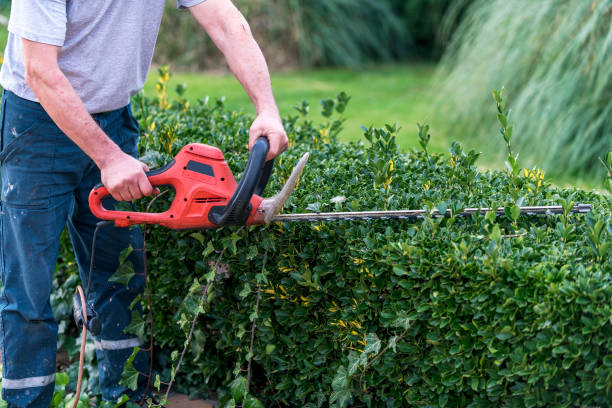
Young shrubs look soft and fragile, and they are. Their stems bend easily, and their roots still spread. Yet with simple care, they can grow into strong, steady plants. Careful trimming plays a big part in that growth. When you plan shrub trimming in Charlotte NC, with young shrubs in mind, you guide their shape, guard them from stress, and help them stand up to weather and wear. This kind of care does not need fancy tools or big changes. Instead, it requires a clear plan, light cuts, and steady attention over time. As you learn how trimming protects new growth, you also see how each small cut brings long-term gains for your yard and your peace of mind.
Why Shrub Trimming In Charlotte NC Keeps Young Plants Safer
Young shrubs put out fast, thin shoots. These shoots reach for light but may not grow in safe directions. When you use shrub trimming with care, you guide those shoots early. Light trimming helps a shrub grow a strong, balanced frame. New branches spread out instead of leaning hard to one side. Also, a balanced frame handles wind better, so branches bend instead of breaking. Overgrown tips can pull a small shrub forward. The roots struggle to hold the plant in place. With gentle cuts, you keep weight close to the center. As a result, roots get time to thicken and grip the soil. Because young shrubs tire easily, short trimming sessions matter. You remove only what you need. So the plant can heal, keep its leaves, and stay on track.
How Trimming Guides Healthy Shape And Strong Roots
Shape is not only about looks. It decides how well a shrub uses light, air, and water. When you plan early cuts, you help every part of the plant. You remove branches that cross and rub. These spots can open small wounds. Over time, those spots may crack or invite decay—also, you thin dense areas in the center. Then more light reaches the inner leaves, so they stay green rather than drop. Because the plant is not fighting heavy, wild growth, the roots can keep up. They send water and food to a frame that matches their strength. In turn, this balance lowers stress during hot, dry spells.
So, early shape trimming gives you:
- A clear main stem and strong side branches
- Even growth on all sides of the shrub
- Less strain on young, shallow roots
Trimming To Protect Young Shrubs From Wind, Rain, And Storms
The weather can hit young shrubs hard. Heavy rain, ice, and gusty wind grab loose, long shoots first. Well-planned shrub trimming Charlotte homeowners schedule each season, can greatly lower these risks. By shortening weak, thin tips, you cut back the parts most likely to whip in the wind. Also, you thin out the top so rain and ice do not sit and weigh it down. Then the branches move, but they do not bend past their safe range.
Before storm seasons, you can look for trouble signs:
- Long, thin branches far above the rest
- Dense clumps that catch the wind like a sail
- Branches that lean out over paths or driveways
“A small trim kept those new shrubs from snapping in the storm,” one homeowner shared.
Because you planned, branches flex and recover. Young shrubs stay upright, and you avoid broken limbs in your yard.
Preventing Pests And Disease With Clean Cuts
Weak or crowded branches make it easy for pests and disease to move in. Careful trimming, including shrub trimming Charlotte, reduces these weak spots and keeps air moving. When you remove dead or damaged wood, you take away hiding places for insects and fungi. Also, better airflow dries leaves faster after rain. This makes it harder for leaf spots and mildew to spread.
Here is a simple guide to how trimming helps protect young shrubs:
| Problem in young shrubs | How trimming helps | Benefit for young shrubs |
|---|---|---|
| Dead twigs and branches | Removes weak, decaying tissue | Fewer pest and disease entry points |
| Crowded, tangled centers | Opens space for light and air | Leaves dry faster after rain |
| Low, ground-touching branches | Lifts growth above wet soil | Less rot from constant moisture |
Because cuts can also spread problems, use clean, sharp tools. Wipe blades between shrubs if you see any signs of disease. Then each plant gets a safer, fresher start after every trim.
Safe Tools And Timing For Young Shrub Trimming
Young shrubs need gentle care. The tools and timing you choose matter just as much as the cuts. Use hand pruners for thin stems and small branches. Loppers work for slightly thicker wood. Because power trimmers can tear soft stems, keep those for older, woody shrubs.
Best seasons for cuts
Early spring, before strong leaf growth, is often a good time for many shrubs. However, some shrubs bloom on old wood. For those, you trim right after flowering, not before. At least once a year, plan a light shaping visit. During that visit, you can also work on a more careful use of shrub trimming to keep young plants steady as seasons change. So you avoid heavy, stressful cuts by choosing small, regular trims. Then shrubs heal faster and keep growing without long breaks.
Common Mistakes People Make With Young Shrubs
Even with good goals, it is easy to make trimming mistakes. Knowing them early helps you avoid harm.
Many people:
- Cut off too much green growth at one time
- Shear the outside only, leaving a dark, bare center
- Trim at random times in the year
When you remove too much at once, young shrubs lose many leaves. Then they struggle to make food and may stall. Also, a dense shell of leaves with a bare core leads to weak inner wood. Over time, the shrub may thin or die back from the inside. Because timing is key, random cuts can also remove next season’s flower buds. So, it is better to learn how each shrub grows and bloom cycles before you trim.
Simple Care Plan After Each Trim
Trimming is not the last step. Young shrubs also need kind care after each session, especially if you use Charlotte NC shrub trimming services for a bigger project. Right after trimming, water the shrubs deeply if the soil is dry. This helps them heal and send new growth. Also, check the mulch layer. A light ring of mulch keeps roots cool and soil moist, but it should not touch the stems.
After each trim, you can follow a short care list:
- Check for torn or ragged cuts and recut them cleanly
- Remove fallen branches and leaves from around the base
- Watch new shoots over the next few weeks
“After a careful trim, new leaves came in fuller and brighter,” a neighbor noted.
Growing Long-Term Strength With Steady Trimming Habits
Young shrubs grow fast, yet they also face real risks from weather, pests, and simple crowding. When your trimming habits stay steady, each year gets easier. Over time, the shrubs stand straighter, fill in better, and need fewer emergency fixes. As you plan each season, you can keep learning which cuts help and which to avoid. That way, your yard turns into a calm, green space filled with shrubs that feel settled rather than fragile. With patient care and smart trimming choices, even small plants gain the strength to last for many years, and trusted teams like Major Jones Lawn Care can fit into that long view when you decide you need extra hands.
