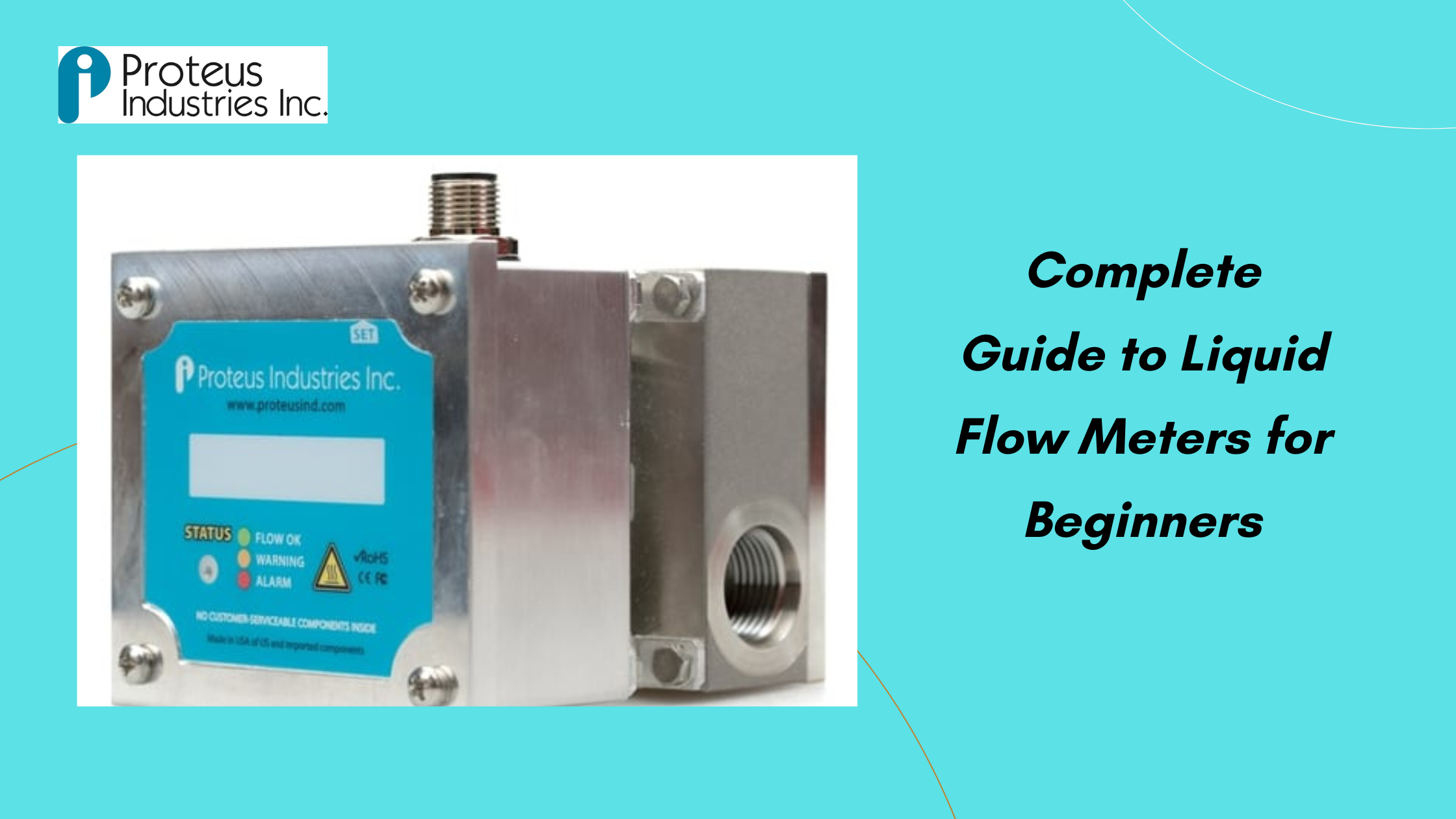
In industries where liquids play a critical role—such as manufacturing, healthcare, water treatment, and oil & gas—accurately measuring flow is essential. This is where liquid flow meters come into the picture. If you’re new to this concept, don’t worry. This beginner-friendly guide will help you understand what liquid flow meters are, how they work, their types, and how to choose the right one.
What Is a Liquid Flow Meter?
A liquid flow meter is a device used to measure the volume or mass of a liquid flowing through a pipe or system. It helps monitor, control, and optimize processes by providing accurate data about fluid movement.
Flow meters are widely used to ensure efficiency, reduce waste, and maintain safety in various systems.
Why Are Liquid Flow Meters Important?
Without proper flow measurement, systems can become inefficient or even dangerous. Extreme temperature liquid flow meters help in:
- Accurate measurement of liquid usage
- Improving system efficiency
- Reducing waste and costs
- Ensuring product quality
- Maintaining safety standards
Whether it’s water supply in a city or chemicals in a factory, flow meters play a vital role.
How Do Liquid Flow Meters Work?
Liquid flow meters work by detecting the speed, volume, or mass of liquid passing through a system. Different types of flow meters use different principles to measure flow.
Some measure the velocity of the liquid, while others calculate mass flow or volume flow directly. Sensors inside the meter collect data and convert it into readable output, often displayed digitally.
Types of Liquid Flow Meters
There are several types of extreme temperature liquid flow meters, each designed for specific applications. Let’s explore the most common ones:
1. Electromagnetic Flow Meters
These meters use a magnetic field to measure the flow of conductive liquids like water or chemicals. They are highly accurate and have no moving parts.
Ultrasonic meters use sound waves to measure flow velocity. They are non-invasive and can be installed without cutting pipes.
Best for: Clean liquids, large pipelines
3. Turbine Flow Meters
These meters use a rotating turbine placed in the liquid flow. The speed of rotation indicates the flow rate.
Best for: Clean, low-viscosity liquids
4. Positive Displacement Flow Meters
These measure flow by trapping a fixed amount of liquid and counting how many times it fills and empties.
Best for: Thick or viscous liquids like oil
5. Coriolis Flow Meters
Coriolis meters measure mass flow using vibration and are known for high precision.
Best for: High-accuracy industrial applications
Key Features to Consider
When selecting a liquid flow meter, you should consider the following factors:
1. Accuracy
High accuracy is crucial for industries where precise measurement matters.
2. Flow Rate Range
Make sure the meter can handle your system’s minimum and maximum flow rates.
3. Type of Liquid
Different liquids (clean, dirty, viscous, corrosive) require different types of meters.
4. Installation Requirements
Some meters are easy to install, while others may require system modifications.
5. Maintenance
Choose a meter that suits your maintenance capabilities and budget.
Applications of Liquid Flow Meters
Liquid flow meters are used across many industries, including:
- Water and wastewater treatment
- Oil and gas industry
- Food and beverage production
- Pharmaceutical and healthcare sectors
- Chemical processing plants
In each of these industries, accurate flow measurement ensures smooth operations and compliance with standards.
Advantages of Using Liquid Flow Meters
Using the right flow meter provides several benefits:
- Improved operational efficiency
- Better process control
- Reduced resource wastage
- Cost savings over time
- Reliable data for decision-making
These advantages make flow meters an essential tool in modern systems.
Common Challenges
While liquid flow meters are highly useful, they can face certain challenges:
- Incorrect installation can affect accuracy
- Choosing the wrong type for your application
- Wear and tear over time
- Sensitivity to temperature or pressure changes
Understanding these challenges helps in making better decisions and maintaining the system effectively.
Tips for Beginners
If you’re just starting out, here are some simple tips:
- Always understand your application needs first
- Consult with experts before purchasing
- Start with a reliable and easy-to-maintain meter
- Regularly calibrate your device for accuracy
Taking these steps will help you avoid costly mistakes.
Future Trends in Flow Measurement
Technology is rapidly improving, and flow meters are becoming smarter. Modern systems now offer:
- Digital monitoring and automation
- Wireless connectivity
- Real-time data tracking
- Integration with IoT systems
These advancements are making flow measurement more efficient and user-friendly.
Conclusion
Liquid flow meters are essential tools for measuring and controlling liquid movement in a wide range of industries. From ensuring efficiency to maintaining safety, their role cannot be overlooked.
By understanding the different types, features, and applications, beginners can make informed decisions and choose the right flow meter for their needs.
Looking to improve your system’s performance with reliable flow measurement solutions? Explore advanced liquid flow meters and expert guidance from Proteus Industries to find the perfect fit for your application.