
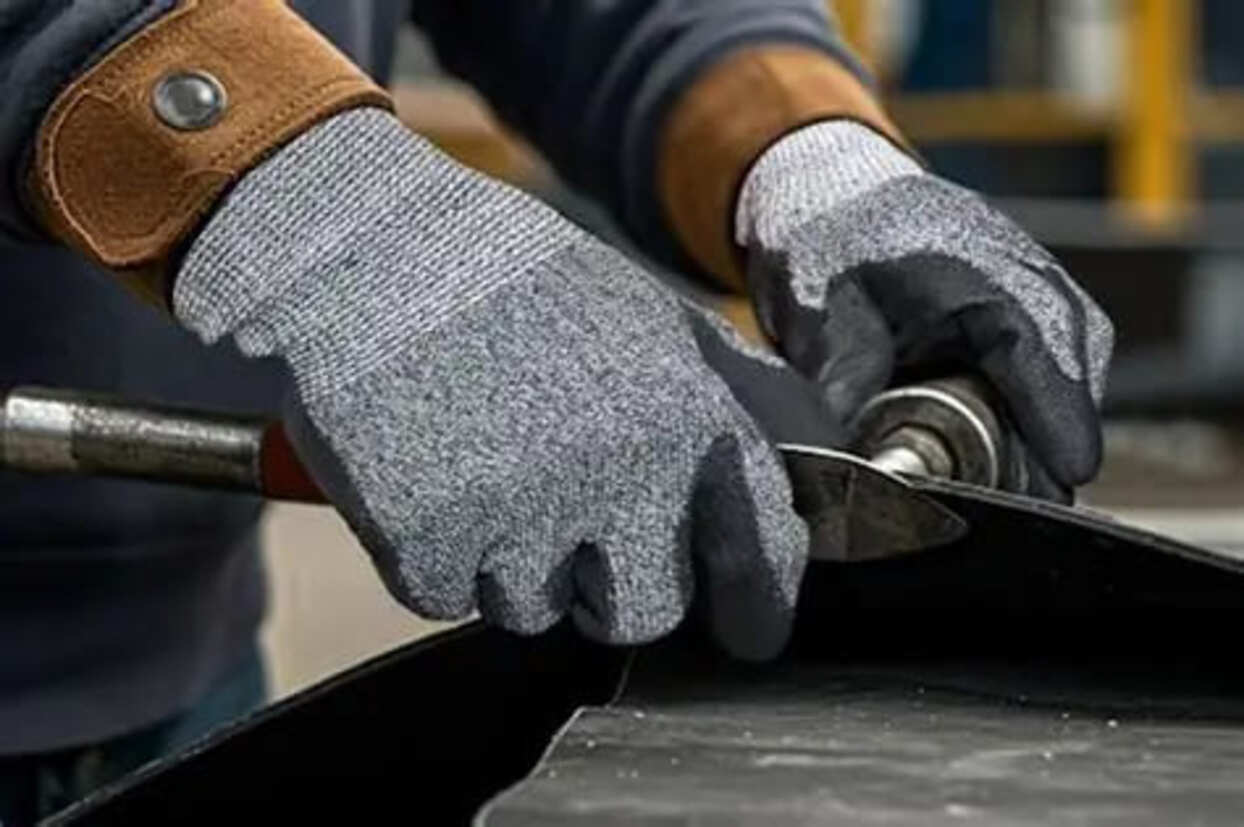
Designing Cut-Resistant Gloves for Both Safety and Flexibility – Workplace safety has evolved significantly over the past decade, especially in industries where workers regularly handle sharp tools, sheet metal, glass, or machinery. In these environments, hand injuries are among the most common incidents. That is why Cut-Resistant Gloves have become an essential part of modern personal protective equipment (PPE).
However, protection alone is no longer enough. Workers also need comfort, flexibility, and dexterity to perform tasks efficiently. Designing gloves that offer both strong cut protection and excellent flexibility requires advanced materials, thoughtful engineering, and a deep understanding of workplace demands.
This article explores how modern Cut-Resistant Gloves are designed to balance safety and flexibility, and what features professionals should look for when choosing the right pair.
The Growing Demand for Cut-Resistant Gloves
Industries such as manufacturing, automotive, construction, logistics, food processing, and glass handling rely heavily on hand protection. Workers in these sectors frequently interact with sharp edges, blades, and abrasive materials. Even a minor slip can cause serious injuries.
Traditional protective gloves were often thick and rigid. While they offered protection, they limited hand movement and reduced productivity. Workers sometimes removed them during delicate tasks, which increased the risk of injury.
Modern Cut-Resistant Gloves are designed differently. Manufacturers now focus on combining high levels of protection with lightweight materials and ergonomic construction. The goal is simple: protect workers without slowing them down.
Advanced Materials Behind Modern Protection
The core of any Cut-Resistant Gloves design lies in the materials used. Today’s gloves rely on high-performance fibers engineered to resist cuts while remaining lightweight and flexible.
Common materials include:
High-performance polyethylene (HPPE)
HPPE fibers are extremely strong yet lightweight. They provide excellent cut resistance while maintaining flexibility, making them a popular choice for industrial gloves.
Glass fiber blends
Glass fibers are often combined with other materials to enhance cut protection. They add strength without significantly increasing glove thickness.
Aramid fibers
Aramid materials are known for their durability and heat resistance. They are often used in gloves designed for high-risk environments.
Steel or metal fiber reinforcement
Some gloves incorporate fine steel fibers to achieve higher cut resistance levels. When blended properly, they maintain flexibility while improving protection.
By blending these materials in precise ratios, manufacturers can create Cut-Resistant Gloves that meet international safety standards while remaining comfortable for all-day use.
Balancing Protection and Dexterity
One of the biggest design challenges is balancing cut resistance with dexterity. Gloves that are too stiff reduce grip control and slow down work. On the other hand, gloves that are too thin may not provide adequate protection.
To achieve the right balance, designers focus on several key factors.
Fiber Engineering
Advanced knitting technologies allow protective fibers to be woven into flexible structures. This creates a glove that moves naturally with the hand while maintaining cut resistance.
Gauge and Knit Technology
Glove gauge refers to the density of stitches used in the fabric. Higher gauge gloves are thinner and more flexible. Modern Cut-Resistant Gloves often use 13-gauge, 15-gauge, or even 18-gauge knitting to improve dexterity without sacrificing safety.
Ergonomic Design
A well-designed glove follows the natural shape of the hand. Pre-curved fingers, elastic cuffs, and breathable fabrics help reduce hand fatigue during long shifts.
Coating Technology
Palm coatings improve grip and durability. Common coatings include:
- Nitrile coating for oil resistance and durability
- Polyurethane (PU) for precision handling
- Latex coating for strong grip in dry environments
The right coating enhances both safety and flexibility, especially when workers handle slippery materials.
Comfort as a Safety Feature
Comfort is often overlooked in PPE design, but it directly affects safety. If gloves feel uncomfortable, workers are less likely to wear them consistently.
Modern Cut-Resistant Gloves incorporate features that improve wearability:
- Breathable materials that reduce sweat buildup
- Lightweight fibers that prevent hand fatigue
- Flexible knit structures that allow natural movement
- Seamless designs that eliminate pressure points
When gloves are comfortable, workers keep them on throughout their tasks. This simple factor significantly reduces the risk of injuries.
Meeting International Safety Standards
Professional Cut-Resistant Gloves must meet recognized safety standards to ensure reliable protection.
Common certifications include:
EN 388 (Europe)
Measures resistance to abrasion, cuts, tears, and punctures.
ANSI/ISEA 105 (United States)
Provides a detailed scale for cut resistance performance.
These standards help buyers compare glove performance and select the right level of protection for their specific tasks.
Choosing the Right Gloves for the Job
Not all Cut-Resistant Gloves are the same. The ideal glove depends on the application.
For example:
- Light assembly work may require flexible gloves with moderate cut protection.
- Metal fabrication demands higher cut resistance with reinforced materials.
- Glass handling requires strong grip and high durability.
- Food processing often prioritizes hygiene and comfort alongside protection.
Employers should assess workplace risks carefully and select gloves that match both safety requirements and job tasks.
The Future of Cut-Resistant Glove Design
Innovation in protective equipment continues to evolve. New fiber technologies, smarter manufacturing processes, and improved coatings are pushing the boundaries of glove performance.
Future Cut-Resistant Gloves may include:
- Even lighter high-strength fibers
- Enhanced touchscreen compatibility
- Improved breathable coatings
- Sustainable and recyclable materials
These developments aim to improve both safety and user experience while supporting global workplace safety standards.
Conclusion
Designing effective Cut-Resistant Gloves requires more than simply adding protective layers. It involves combining advanced materials, ergonomic design, and modern manufacturing techniques to achieve the ideal balance between protection and flexibility.
For industries sarung tangan, where hand safety is critical, investing in well-designed gloves can significantly reduce injury risks while maintaining productivity. The best Cut-Resistant Gloves protect workers without limiting their performance, ensuring safety and efficiency go hand in hand.
