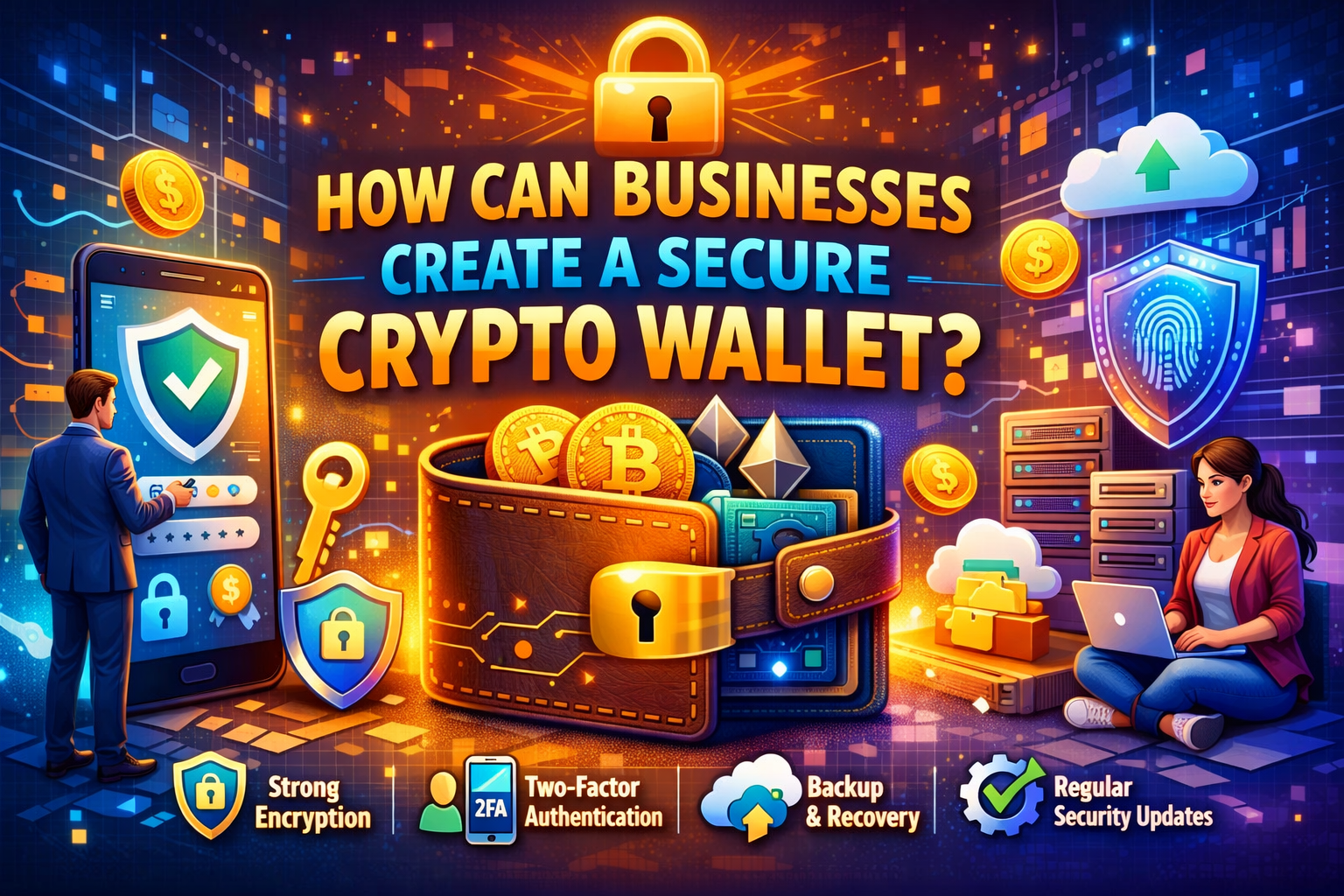
In the world of digital finance, crypto wallets play a crucial role. These applications allow users to store, manage, and transact cryptocurrencies safely. For businesses and developers, cryptocurrency wallet app development is both a technical challenge and a business opportunity. This article will explain the key steps, technologies, and best practices involved in developing a secure and efficient crypto wallet.
What Types of Crypto Wallets Can Be Built?
Before starting development, it is essential to choose the type of wallet that suits your target users. Each wallet type has different security, convenience, and usability features.
Hot Wallets
Hot wallets are connected to the internet, allowing quick access to cryptocurrencies. They are ideal for users who require frequent transactions. Examples include mobile apps, desktop applications, and web wallets. Hot wallets provide convenience but require strong security measures to prevent hacking.
Cold Wallets
Cold wallets operate offline, keeping private keys away from internet exposure. Hardware wallets and paper wallets are common forms. Although slower for transactions, cold wallets are far safer for storing large amounts of cryptocurrency.
Custodial vs. Non-Custodial Wallets
Custodial wallets store users’ private keys on behalf of the service provider. While this reduces responsibility for users, it also increases the service provider’s liability. Non-custodial wallets give users full control over private keys, enhancing security but requiring a more user-friendly design.
Which Core Features Should a Crypto Wallet Include?
To attract users and ensure functionality, a crypto wallet must include essential features that improve usability and security.
Secure Key Management
Private key management is the foundation of wallet security. Developers must implement secure key storage methods, such as hardware security modules (HSMs) or encrypted local storage. Incorporating mnemonic phrases for backup ensures users can recover funds safely.
Transaction Processing
A wallet must handle transactions efficiently. Features like sending and receiving coins, generating QR codes, and verifying transaction history are essential. Integration with blockchain networks ensures real-time updates and accurate transaction confirmations.
Multi-Currency Support
Users often hold multiple cryptocurrencies. A modern wallet should support various coins and tokens, providing smooth switching between currencies. Integration with blockchain APIs ensures seamless support for popular digital assets.
User Authentication
Robust authentication protects user accounts. Two-factor authentication (2FA), biometric verification, and strong password policies reduce the risk of unauthorized access.
What Steps Are Involved in Developing a Crypto Wallet?
Building a crypto wallet requires careful planning, development, and testing. The following steps highlight a typical workflow for developers.
Step 1: Define Wallet Type and Platform
Start by selecting the wallet type, platform, and supported cryptocurrencies. Decide whether the wallet will be mobile, web, or desktop-based. Knowing the target audience helps determine the features and design of the wallet.
Step 2: Design UI/UX
A user-friendly interface increases adoption. Developers should focus on intuitive navigation, clear transaction displays, and easy backup processes. Good design reduces mistakes and improves user confidence in managing funds.
Step 3: Implement Blockchain Integration
The wallet must connect to the blockchain to manage accounts and transactions. Developers can use APIs or SDKs from blockchain providers to facilitate this integration. Choosing the right blockchain nodes and endpoints is crucial for reliability and speed.
Step 4: Build Security Layers
Security should be embedded in every layer of wallet development. Encrypt sensitive data, secure communication channels with SSL/TLS, and ensure secure key storage. Regular audits and penetration testing help identify vulnerabilities before launch.
Step 5: Develop Transaction and Wallet Features
Implement core functionalities like sending, receiving, and tracking digital assets. Support multiple addresses, transaction history, and notifications. Adding features such as QR scanning and offline transaction signing improves usability.
Step 6: Test Extensively
Testing ensures that the wallet functions correctly and safely. Conduct unit tests, integration tests, and user acceptance testing. Test edge cases such as network failures, incorrect inputs, and high transaction volumes to minimize errors.
Step 7: Deploy and Maintain
After thorough testing, deploy the wallet on the chosen platform. Continuous monitoring, updates, and patches are necessary to maintain security and compatibility with blockchain networks.
Which Technologies Power Crypto Wallet Development?
Several tools and technologies can simplify wallet development while boosting security and performance.
Blockchain APIs
APIs from blockchain providers allow wallets to interact with the network, fetch balances, and send transactions. Popular options include Ethereum’s Web3.js, Bitcoin’s RPC API, and other blockchain SDKs.
Encryption Algorithms
AES, RSA, and elliptic curve cryptography are essential for protecting private keys and sensitive user data. Strong encryption reduces the risk of theft and ensures regulatory compliance.
Secure Storage Solutions
Developers can use local encrypted storage, cloud-based secure vaults, or hardware modules to store keys safely. Each option requires a balance between convenience and protection.
Multi-Signature Technology
Multi-signature wallets require multiple approvals for transactions, adding an extra layer of security. This is especially useful for corporate wallets or shared accounts.
How Can Developers Improve Wallet Security?
Security is the top priority in crypto wallet development. Cyberattacks, phishing, and malware target wallets regularly. Developers can adopt multiple measures to safeguard assets.
Regular Audits and Updates
Frequent code reviews and security audits help identify vulnerabilities early. Updating dependencies and libraries prevents exploitation of known weaknesses.
Two-Factor Authentication
2FA ensures that even if passwords are compromised, unauthorized access remains difficult. SMS codes, authentication apps, or hardware tokens are effective options.
Cold Storage for Large Holdings
For wallets managing large amounts, storing funds offline reduces the risk of cyberattacks. Combining cold storage with multi-signature approvals provides strong protection.
User Education
Even the most secure wallet is vulnerable if users mishandle keys. Clear instructions on backup and recovery, safe password practices, and phishing awareness help maintain security.
What Challenges Exist in Wallet Development?
Developing a crypto wallet comes with technical and regulatory challenges.
Network Scalability
Blockchain networks sometimes face congestion, leading to delays or high fees. Wallets need mechanisms to handle varying network conditions, such as dynamic fee adjustment.
Regulatory Compliance
Different countries have varying cryptocurrency regulations. Wallet developers must follow local laws related to KYC (Know Your Customer), AML (Anti-Money Laundering), and data protection.
Security Threats
Hackers continuously develop new techniques to steal funds. Developers must anticipate threats such as malware, phishing, and man-in-the-middle attacks, incorporating safeguards at every layer.
User Experience
Balancing security with convenience can be difficult. Complex backup or authentication processes may discourage users, while simpler methods may increase risk. Achieving the right balance is crucial for adoption.
Also Read: Top 10 Crypto Wallets Apps
Why Do Businesses Need a Custom Crypto Wallet?
Having a proprietary crypto wallet offers multiple advantages for businesses, from startups to financial institutions.
Brand Trust
A secure and well-designed wallet strengthens trust with customers. It shows commitment to protecting their assets, which can enhance loyalty.
Revenue Opportunities
Custom wallets can integrate transaction fees, staking options, or partnerships with exchanges, creating additional revenue streams.
Data Control
Businesses control wallet infrastructure, allowing them to analyze usage patterns, improve features, and respond to market demands efficiently.
Competitive Advantage
Offering unique features such as multi-currency support, smart contract integration, or enhanced security can differentiate a wallet from competitors.
How Will Wallet Technology Evolve?
The future of wallet technology includes enhanced security, faster transactions, and broader adoption. Emerging trends like decentralized identity verification, integrated DeFi applications, and cross-chain support will influence wallet design. Developers who implement modular and scalable architectures will adapt more easily to these changes.
Conclusion
Developing a crypto wallet involves a combination of technical expertise, security focus, and user-centered design. By choosing the right wallet type, integrating strong security measures, and providing essential features, businesses can create a product that users trust and enjoy. Continuous updates, regulatory compliance, and forward-thinking technology choices ensure that the wallet remains reliable in a fast-changing digital economy.
A well-built wallet not only safeguards assets but also positions businesses to capitalize on the growing cryptocurrency ecosystem.