Have you ever wondered why your dentist keeps reminding you to book that next appointment? Do you find yourself putting off dental visits because your teeth feel absolutely fine? And let’s be honest—when was the last time you actually sat in that dentist’s chair for a proper check-up?
Here’s the thing: regular dental check-ups are one of those things we all know we should prioritise, yet somehow they slip to the bottom of our to-do lists. Life gets busy, work takes over, and before you know it, months (or even years) have passed since your last visit. But what if skipping those appointments is costing you more than you realise—both in terms of your health and your wallet?
A qualified dentist does far more than simply check for cavities. Regular visits allow them to detect early signs of tooth decay, gum disease, oral infections, and other dental issues before they become serious problems. In many cases, early detection can save you from more complex, time-consuming, and expensive treatments later on.
In this article, we’ll explore why a dentist’s regular check-up matters far more than you might think. We’ll break down exactly what happens during a dental check-up, explain the science behind the 6-month dental visit recommendation, and uncover the hidden benefits that go well beyond keeping your smile looking good. Plus, we’ll tackle common barriers like dental anxiety and cost concerns, so you can make confident and informed decisions about your oral health.
What Happens During a Dental Regular Check Up?
The Comprehensive Oral Examination
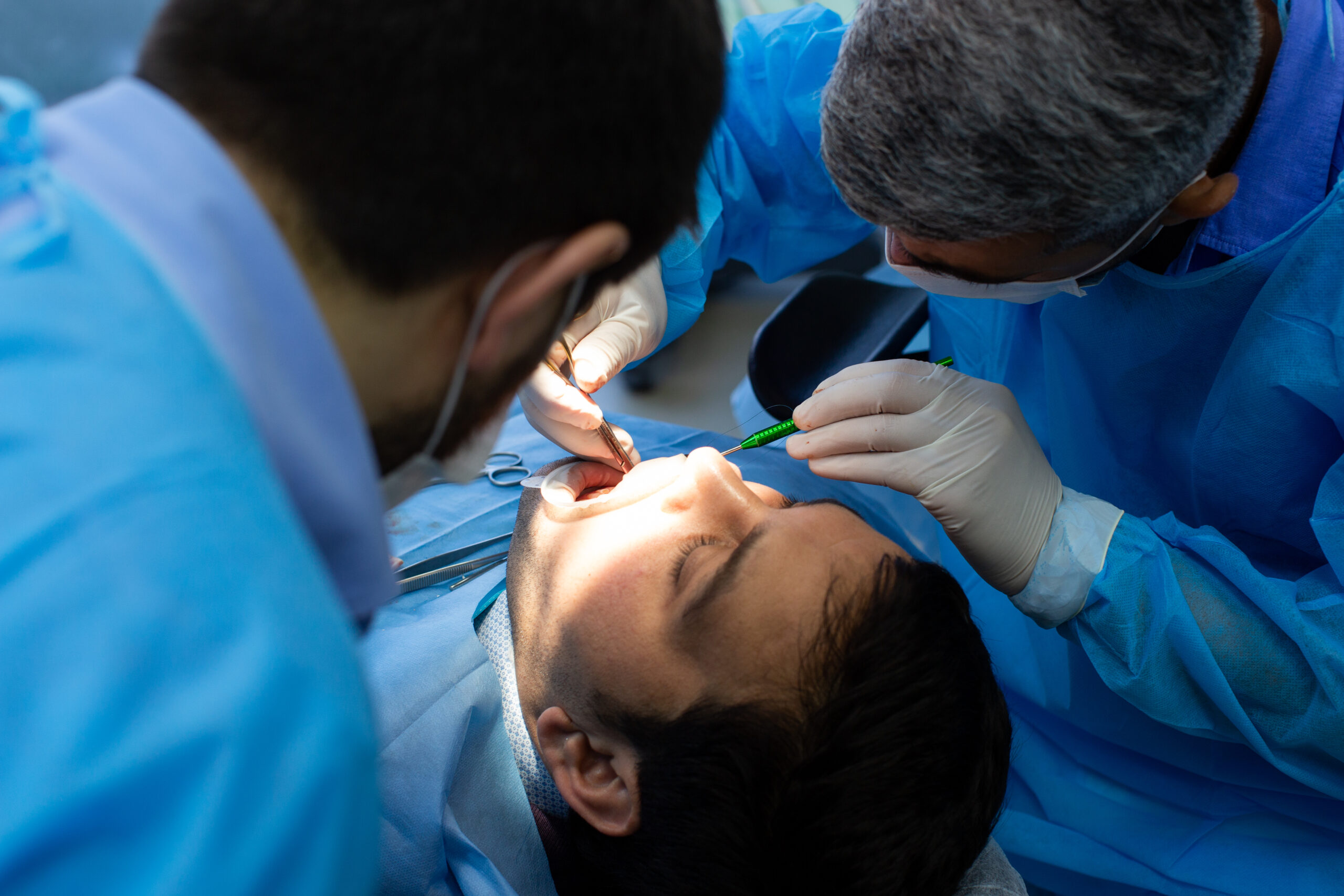
When you arrive for your dental check-up, your dentist does much more than simply glance at your teeth. They conduct a thorough examination of your entire mouth, including your gums, tongue, cheeks, and throat. This wide-ranging assessment helps identify any potential issues before they become serious problems.
Your dentist will check your teeth for signs of decay, cracks, or wear. They’ll also examine your gums for inflammation, recession, or early signs of gum disease. What’s more, they’ll look at how your teeth fit together when you bite down, checking for any alignment issues that could cause problems down the track.
Professional Cleaning and Plaque Removal
Even with the best brushing and flossing habits at home, plaque and tartar build up in places your toothbrush simply can’t reach. During your dental check-up, a dental hygienist removes this buildup using specialised tools.
This professional cleaning does more than make your teeth feel squeaky clean. It prevents the hardened tartar from causing gum disease and tooth decay. Think of it as a reset button for your oral health—giving you a fresh start every time you visit.
X-Rays and Diagnostic Screening
Depending on your dental history and how long it’s been since your last visit, your dentist may take X-rays. These images reveal what’s happening beneath the surface—things invisible to the naked eye.
X-rays can detect cavities between teeth, bone loss, infections, and even impacted teeth. This diagnostic screening is absolutely key for catching problems early when they’re easier and cheaper to treat.
The Hidden Benefits of Regular Dental Checkups
Early Detection of Tooth Decay and Gum Disease
One of the biggest advantages of regular dental checkups is catching problems in their earliest stages. Tooth decay starts small—often as a tiny spot of demineralisation that you wouldn’t notice at home.
When detected early, cavities can be treated with simple fillings rather than crowns, root canals, or extractions. Similarly, early gum disease (gingivitis) is completely reversible with proper treatment. Wait too long, and you’re dealing with periodontitis—a serious condition that can lead to tooth loss.
Spotting Early Signs of Oral Cancer
During your check-up, your dentist screens for oral cancer. This often-overlooked benefit could genuinely save your life. Oral cancer is highly treatable when caught early, with survival rates above 80%.
Your dentist looks for unusual lumps, sores, red or white patches, and other abnormalities. These screenings take just minutes but provide peace of mind and potentially life-saving early detection.
Preventing Costly Emergency Dental Treatments
Nobody wants to deal with a dental emergency—the pain, the stress, and the unexpected expense. Regular dental checkups significantly reduce your risk of emergency situations.
By addressing small issues before they become big problems, you avoid the hefty bills that come with emergency extractions, root canals, and other urgent treatments. Prevention truly is better (and cheaper) than cure.
Overcoming Common Barriers to Booking Your Dentist Regular Check Up
Dealing with Dental Anxiety
Fear of the dentist is incredibly common—you’re definitely not alone if the thought of that appointment makes you nervous. Modern dentistry has come a long way, with many practices offering sedation options, gentle techniques, and a more relaxed environment.
Talk to your dental practice about your concerns. They’re experienced in helping anxious patients and can take steps to make your experience more comfortable. Many people find that once they break the cycle of avoidance, their anxiety actually decreases.
Managing the Cost of Dental Check-ups in Australia
Cost is a genuine barrier for many Australians. However, there are options to make dental care more affordable. Private health insurance with dental extras can significantly reduce out-of-pocket expenses.
Many practices offer payment plans, and some provide discounts for upfront payment. Community dental clinics and dental schools also offer reduced-cost services. Remember, the cost of regular checkups is far less than treating advanced dental problems.
Making Regular Dental Checkups a Priority
When it comes down to it, regular dental check-ups are one of the simplest yet most effective ways to protect your oral health and overall well-being. From catching cavities early to screening for oral cancer, visits to your dentist do far more than just polish your smile.
The evidence is clear: a dentist’s regular check-up every six months—or as recommended based on your individual dental needs—can help prevent costly emergency treatments, protect your overall health, and stop small problems from turning into serious ones. Whether it’s dental anxiety or cost concerns holding you back, there are practical solutions available to help you overcome these barriers and stay on track with your oral care.
So here’s a simple challenge: if you can’t remember the last time you visited your dentist, consider booking an appointment today. Your future self—and your wallet—will likely thank you for it. After all, taking care of your teeth isn’t just about maintaining a bright smile; it’s about investing in your health and confidence for years to come.