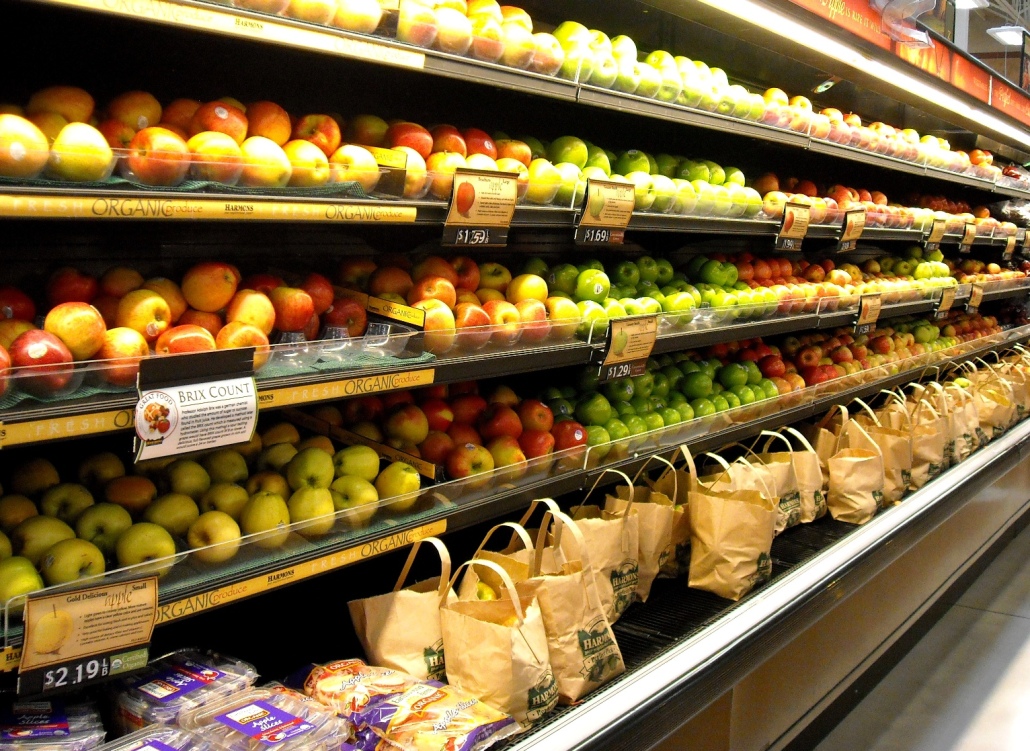
Shoppers consistently seek ways to stretch budgets while maintaining quality. A Wholesale Grocery Store appeals because it offers bulk buying options that lower per-unit costs and reduce frequent trips. Stocking essentials allows consumers to manage expenses efficiently while enjoying convenience. Beyond price, these stores give shoppers a sense of control over household spending. Understanding why shoppers prioritize savings helps retailers design strategies that meet consumer needs. Shoppers are drawn to stores that balance affordability, variety, and reliability, making smart financial choices both practical and rewarding.
Competitive Pricing and Discounts
Price remains a key driver in grocery store selection. Stores that offer regular promotions, seasonal sales, and transparent pricing naturally attract shoppers looking for value. Comparing unit prices ensures consumers spend efficiently, particularly households managing tight budgets. Loyalty discounts or digital deals add an extra layer of savings. Stores that maintain consistent offers cultivate trust, encouraging repeat visits. For many shoppers, price transparency signals reliability and fairness, making such stores the preferred destination. Effective pricing strategies combine affordability with trust-building, motivating shoppers to return frequently for essential and discretionary purchases alike.
Bulk Buying Options
Bulk buying reduces the cost per unit and appeals to shoppers seeking long-term savings. Large packages of staples such as rice, flour, and cleaning supplies provide economic and practical advantages. Consumers appreciate the convenience of stocking up, which decreases the need for frequent trips and saves time. Families or groups can share bulk purchases, further increasing value. Stores supporting bulk options become a preferred choice for shoppers who prioritize efficiency and cost savings. Offering bulk sizes also reinforces shopper loyalty, as consumers associate the store with consistent affordability and practical solutions for daily and household needs.
Variety of Products and Brands
Access to a wide range of products influences shopping decisions strongly. Stores carrying multiple brands, organic options, and specialty items allow consumers to select the best value without compromising quality. Product diversity enables shoppers to compare prices and choose cost-effective alternatives, which increases satisfaction and repeat visits. Retailers maintaining variety while keeping prices competitive build credibility and attract a loyal customer base. Shoppers perceive these stores as providing both choice and affordability, strengthening the connection between product range and perceived savings. A rich selection also enhances the shopping experience beyond simple cost considerations.
Loyalty Programs and Membership Benefits
Loyalty programs reward shoppers with discounts, reward points, and exclusive promotions, fostering repeat business. Members often plan purchases around these incentives, feeling valued for consistent engagement. Cashback offers and special deals further enhance the perception of savings. Stores that communicate these perks effectively build trust and competitive advantage, encouraging long-term relationships. Well-designed programs convert casual visitors into loyal customers who prioritize the store for both value and recognition. By combining financial incentives with a sense of reward, grocery stores strengthen loyalty and create repeat purchasing patterns that sustain growth.
Convenience and Store Accessibility
Location and ease of access directly influence shopper decisions. Stores near residential areas or workplaces reduce transportation costs and save time, indirectly contributing to overall savings. Well-organized aisles, clear signage, and fast checkout processes enhance the shopping experience. Convenience also minimizes impulse purchases at other locations, supporting efficient spending. Shoppers often return to stores where affordability aligns with ease of shopping, valuing both time and money. Efficient layouts and accessible services create a practical advantage, making convenience a critical component of overall savings perception and encouraging loyalty among busy consumers.
Quality Assurance at Affordable Prices
Maintaining quality is essential for shoppers focused on value. High standards for fresh produce, dairy, and packaged goods ensure that savings do not come at the expense of product reliability. Consumers are more likely to buy in bulk or take advantage of promotions when confident in the quality of items. This reduces waste and strengthens trust, reinforcing the store’s reputation. Combining affordability with quality builds a strong competitive position. Shoppers who find both cost-effectiveness and consistency are more likely to return, making quality assurance a crucial factor in sustaining long-term customer loyalty.
Additional Savings Features
Extra features enhance shopper perception of savings:
- Seasonal or limited-time promotions
- Digital coupons and app-based discounts
- Price matching with competitors
- Bundle deals for complementary items
- Early-bird or late-night specials
These initiatives show that the store actively contributes to financial benefits beyond everyday prices. Shoppers recognize stores with multiple savings mechanisms as more value-driven. By offering layered incentives, retailers not only attract new customers but also retain existing ones. Comprehensive savings features create a perception of generosity and smart shopping opportunities, encouraging shoppers to prioritize the store for both essentials and discretionary purchases.
Influence of Word-of-Mouth and Reviews
Social proof significantly impacts store selection. Recommendations from friends, family, and online reviews highlight savings, quality, and service. Positive experiences draw new customers, while negative feedback can deter potential shoppers, emphasizing the importance of consistent value delivery. Stores that effectively communicate their savings and maintain quality benefit from organic promotion through satisfied customers. Shoppers trust word-of-mouth more than advertising, making reputation a key factor. Consistent performance in pricing, promotions, and service transforms loyal shoppers into advocates, providing an ongoing competitive advantage without extensive marketing efforts.
The Psychological Aspect of Saving
Shoppers gain satisfaction from finding deals, triggering a sense of accomplishment. Discounts, bulk options, and loyalty rewards create an emotional connection to shopping. Stores that recognize this behavior can enhance engagement by combining tangible savings with positive experiences. This psychological factor encourages repeat visits and loyalty, as shoppers anticipate both financial and emotional rewards. Retailers leveraging this insight design promotions, store layouts, and engagement strategies that maximize both satisfaction and perceived value. Understanding the behavioral side of saving strengthens shopper relationships and fosters long-term patronage, making the store more than just a place to buy products.
Conclusion
Shoppers choose grocery stores that deliver affordability, convenience, quality, and additional perks. Bulk buying, loyalty rewards, and product variety support financial efficiency while improving the shopping experience. Understanding these motivators enables retailers to meet consumer expectations and build long-term loyalty. The drive to maximize savings without sacrificing quality remains the strongest influence on shopper behavior. Stores that consistently combine competitive pricing, convenience, and quality cultivate trust, repeat business, and customer advocacy. Delivering value consistently ensures that savings remain central to consumer choice, shaping successful retail strategies.