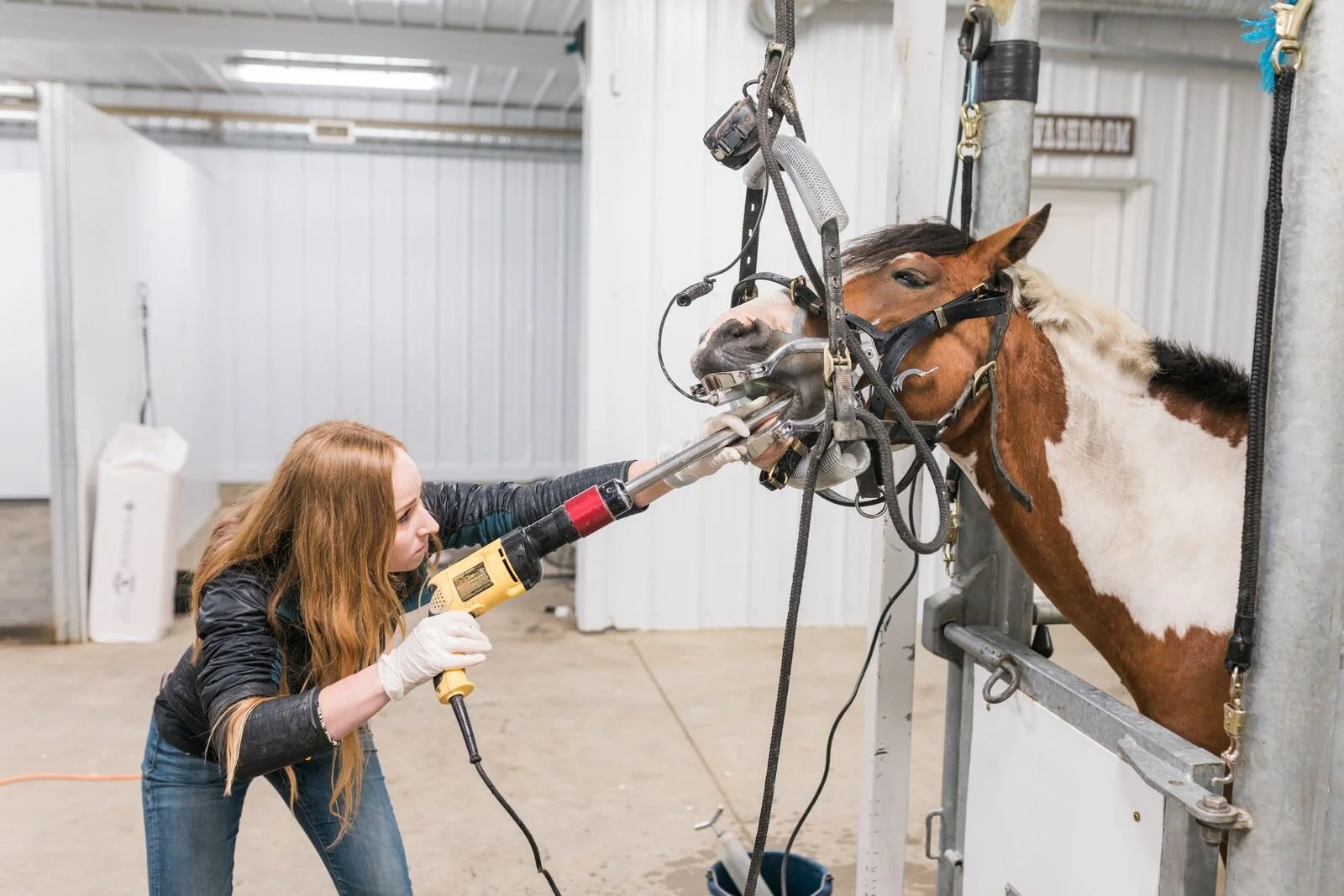
Maintaining your horse’s oral health is essential for their overall comfort and well-being. Horse Teeth Floating is a key procedure that helps horses chew efficiently, avoid pain, and prevent long-term dental problems. Sharp points, uneven surfaces, and misaligned teeth can all lead to difficulty eating, weight loss, and behavioral issues. This comprehensive guide covers everything horse owners need to know about floating, including signs your horse needs it, professional care, techniques, and the benefits of regular maintenance.
Why Horse Teeth Floating is Vital for Equine Health
Horses’ teeth grow continuously throughout their lives. Over time, this can cause sharp edges, hooks, or uneven wear, making chewing uncomfortable and sometimes painful. Horse Teeth Floating is the process of filing down these irregularities to restore a smooth, functional bite.
Floating is more than just a comfort measure. Proper dental care supports digestion, prevents colic, and allows for optimal nutrient absorption. Horses with untreated dental issues may experience weight loss, decreased performance, and behavioral problems such as head tossing or resistance under saddle. Routine floating ensures horses remain healthy, happy, and able to perform at their best.
Signs Your Horse Needs Floating
Recognizing when a horse requires Horse Teeth Floating is crucial for timely intervention. Common signs include:
- Dropping feed while eating or chewing improperly
- Excessive salivation or foul mouth odor
- Weight loss despite adequate feeding
- Resistance when bridled or under saddle
- Behavioral changes such as irritability, head tossing, or aggression
Early detection allows horse owners to schedule prompt dental care, preventing more severe complications. Regular check-ups, ideally every 6–12 months, are recommended to maintain proper chewing efficiency and oral health.
Professional Floating at Park Hills Animal Hospital
Although some horse owners attempt floating at home, professional care is highly recommended. Park Hills Animal Hospital provides expert equine dental services, ensuring safe and precise Horse Teeth Floating.
Veterinarians at the hospital examine the horse’s teeth for sharp points, uneven wear, and other dental issues. Using specialized tools and sometimes sedation, they perform floating efficiently and safely. Professional care minimizes the risk of injury, ensures proper bite alignment, and guarantees that your horse receives long-term dental support. Relying on trained professionals ensures your horse enjoys optimal oral health and comfort.
Techniques for Safe and Effective Horse Teeth Floating
Several techniques are used to ensure effective Horse Teeth Floating:
- Manual Floating – Hand-held rasps smooth sharp edges and even out chewing surfaces with precision.
- Power Floating – Electric floats provide faster and more efficient filing, especially useful for larger or more complex cases.
- Sedation-Assisted Floating – Keeps nervous or older horses calm, ensuring safety during the procedure.
- Bite Alignment Evaluation – Ensures teeth are properly aligned to prevent malocclusion and uneven wear.
- Routine Follow-Up Checks – Regular dental monitoring helps detect early signs of disease or abnormal wear.
Choosing the right technique based on your horse’s age, dental condition, and temperament ensures minimal discomfort and long-term oral health.
Benefits of Regular Horse Teeth Floating
Routine Horse Teeth Floating provides numerous advantages for equine health:
- Improved feed digestion and nutrient absorption
- Prevention of colic and other digestive issues
- Enhanced comfort and reduction of behavioral problems
- Better performance under saddle
- Prevention of severe dental problems as horses age
Regular floating also allows veterinarians to monitor the horse’s oral health over time, catching potential issues before they escalate. For horse owners invested in long-term health and comfort, incorporating floating into a routine care schedule is essential. It ensures a healthy bite, efficient chewing, and a happy, comfortable horse.
Conclusion
Horse Teeth Floating is an essential procedure for maintaining equine health, comfort, and performance. Understanding the signs that your horse may need dental care, utilizing proper techniques, and relying on professional services at facilities like Park Hills Animal Hospital ensures long-term oral health. Routine floating prevents pain, improves digestion, and supports your horse’s overall well-being. By prioritizing dental care, horse owners provide their companions with the foundation for a happy, healthy, and active life.