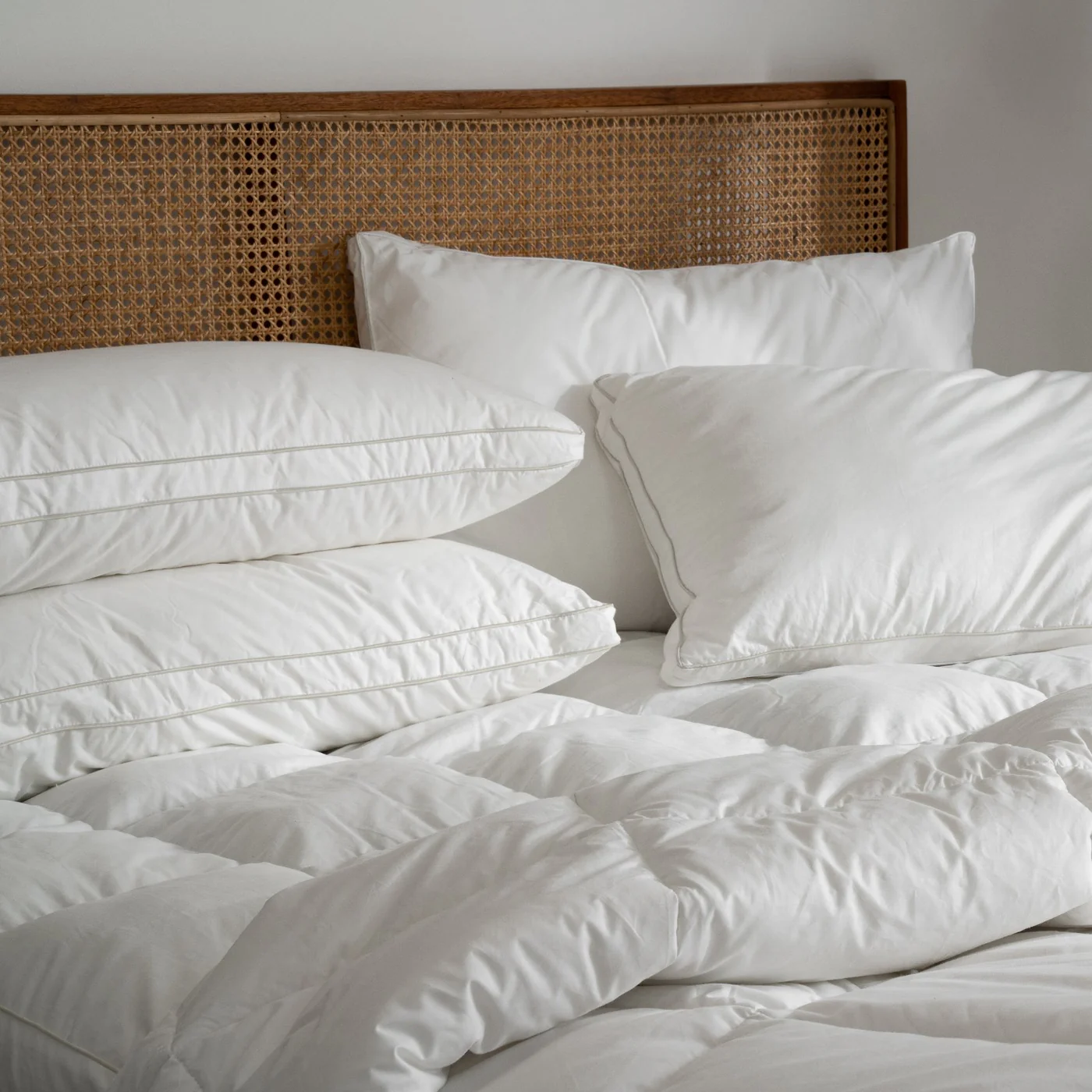
Guest comfort directly impacts the overall impression of a hotel stay. One overlooked element is the pillow, which significantly affects sleep quality. A Luxury Hotel Pillow For Bed can provide superior support, reduce neck or back strain, and improve the guest’s overall experience. Over time, pillows lose shape, support, and hygiene, which can negatively affect guests. Knowing how often to replace pillows ensures hotels maintain comfort, safety, and a high standard of hospitality, reinforcing a positive impression for every visitor.
Signs It’s Time to Replace Hotel Pillows
Hotel pillows are used continuously and can degrade without obvious signs. Replacement becomes necessary when Loss of shape or flattening, Persistent odors even after cleaning, Allergic reactions triggered by dust or mites, Lumps or uneven filling, Worn pillow covers or damaged seams. Checking for these issues regularly ensures that guests always enjoy a fresh, comfortable sleeping environment without health risks.
Factors Influencing Pillow Lifespan
Several elements affect how long a pillow remains functional. Memory foam, down, and synthetic fillings vary in durability. Hotels with high occupancy experience faster wear, while frequent washing may weaken some pillow types. Guest preferences for firmness or softness influence replacement cycles, and local climate or humidity can accelerate mold growth or material breakdown. Evaluating these factors helps hotels maintain optimal pillow quality and support, ensuring every guest receives a consistent and hygienic sleep experience during their stay.
Recommended Replacement Frequency for Hotels
Hospitality standards recommend replacing pillows every 18 to 36 months, depending on pillow type and usage. Memory foam pillows typically last longer, while down and feather pillows may require replacement within 12–24 months. Regular inspections and cleaning schedules help determine the appropriate timing for each pillow. Keeping a replacement log ensures all rooms maintain fresh and supportive pillows. A planned approach allows hotels to manage costs efficiently while upholding high comfort standards for all guests.
Hygiene Considerations in Hotel Pillow Replacement
Hygiene is crucial in the hospitality industry. Pillows accumulate sweat, oils, dust mites, and bacteria, which can negatively affect guest health. Washing extends a pillow’s life but cannot fully restore support or eliminate all allergens. Hotels should follow strict sanitation guidelines and replace pillows showing contamination, odors, or flattening. Regularly updated replacement schedules enhance guest safety and satisfaction, reinforcing a hotel’s reputation. Clean, supportive pillows are an essential component of delivering a professional, high-standard lodging experience.
Types of Pillows and Their Durability
Different pillow materials have unique lifespans and maintenance needs. Memory Foam retains shape for 2–3 years, resists dust mites, Down and Feather Soft and luxurious, but compresses faster, replace every 1–2 years, Synthetic Fibers Affordable, washable, lasts 18–24 months, Hybrid Pillows Combines materials for extended comfort, monitor for wear. Selecting the right pillow type balances durability, guest comfort, and cost-efficiency. Using suitable materials improves sleep quality and reduces complaints.
Cost vs. Comfort: Balancing Hotel Pillow Replacement
High-quality pillows enhance guest experience but come with higher costs. Frequent replacement improves comfort, hygiene, and guest satisfaction, but increases operational expenses. Hotels must evaluate wear patterns, guest feedback, and pillow lifespan to establish a cost-effective replacement strategy. Maintaining consistent pillow quality supports positive reviews, reduces complaints about discomfort or allergies, and reinforces a reputation for providing restful, luxurious stays. A thoughtful balance of cost and comfort ensures both guest satisfaction and operational efficiency.
Rotating Pillows: An Effective Strategy
Rotating pillows extends their life while maintaining guest comfort. A rotation system reduces sudden expenditure and maintains consistent sleep quality. Guests experience uniform comfort regardless of room allocation, which helps hotels uphold high standards while managing budget effectively.
Tips for Maintaining Hotel Pillows
Proper pillow maintenance extends lifespan and ensures hygiene:
- Use protective pillow covers to prevent stains
- Follow the manufacturer’s washing and drying instructions
- Avoid excessive heat or moisture exposure
- Inspect pillows during room turnovers for flattening or damage
- Train housekeeping to recognize early signs of wear
Routine care preserves support and comfort, minimizing complaints and ensuring guests consistently enjoy a high-quality sleep experience.
Conclusion
Pillows influence both comfort and guest perception of a hotel. Implementing replacement cycles based on type, usage, and hygiene ensures every pillow supports a restful sleep. Regular inspections, proper maintenance, and strategic rotation maximize lifespan and comfort while maintaining health standards. Investing in quality pillows and monitoring wear demonstrates attention to guest needs. Hotels that prioritize pillow care reinforce their reputation for excellence and create a signature experience that enhances overall guest satisfaction and loyalty.
FAQs
How long does a hotel pillow typically last?
Most pillows last 18–36 months depending on type, usage, and maintenance schedules.
How do hotels identify pillows needing replacement?
Flattening, persistent odors, lumps, seam damage, or allergic reactions indicate replacement is needed.
Does pillow material affect replacement frequency?
Yes. Memory foam lasts longer, while down and feather pillows may require more frequent replacement.
Can regular cleaning restore pillow support?
Cleaning helps hygiene but cannot restore original support or remove all allergens.
How does pillow rotation benefit hotels?
Rotation extends lifespan, maintains comfort across rooms, and reduces sudden replacement costs.