
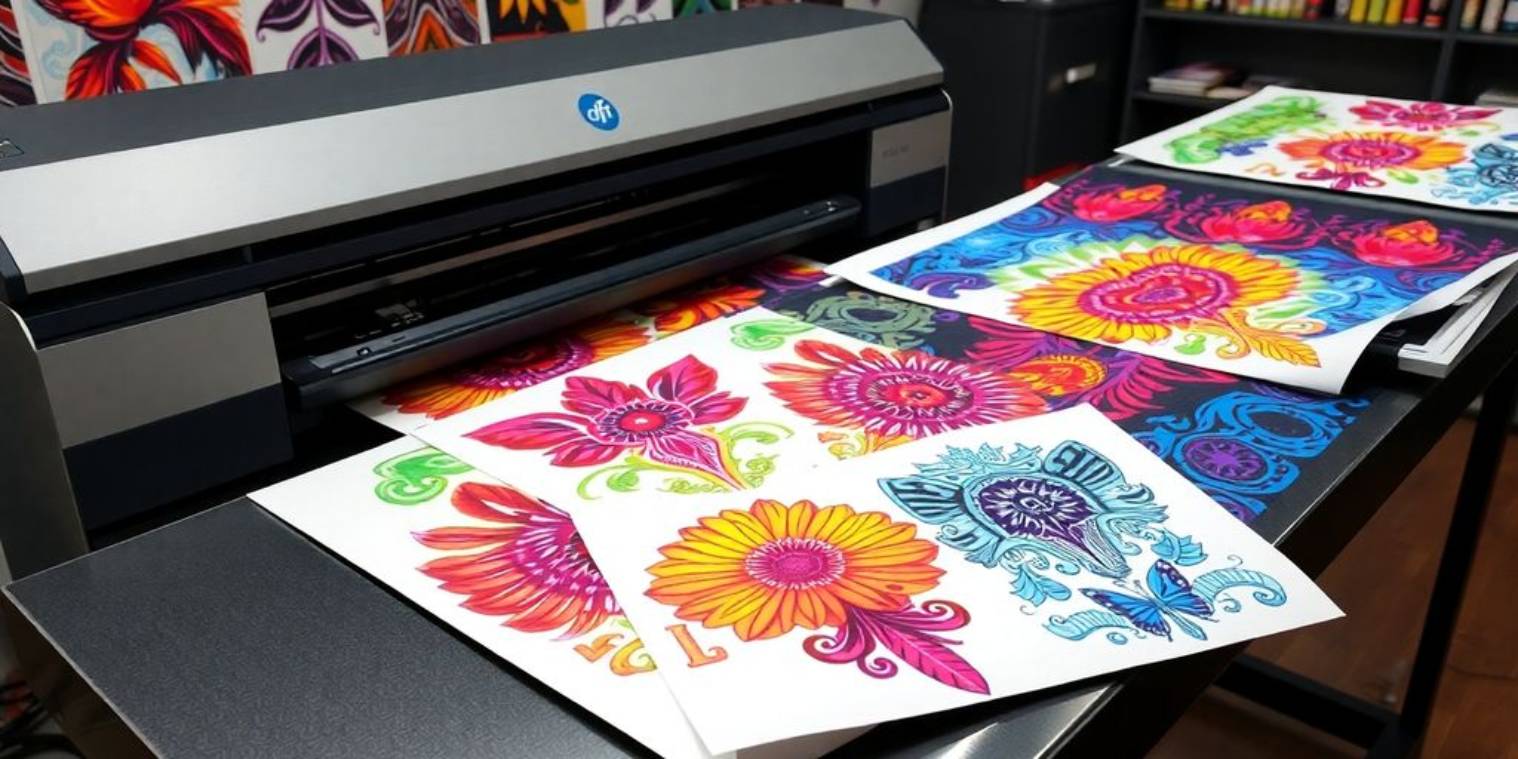
Custom clothing builds brand identity through clean design and accurate printing. Professional presentation starts with clear artwork, correct placement, and consistent branding. High-quality printing methods like Custom DTF Transfers sharp details and vibrant colors on different fabrics. Proper alignment and careful preparation improve overall appearance. A strong first impression increases trust and makes apparel stand out in competitive markets.
Choose Quality Fabrics
Selecting premium fabric improves durability and comfort. Fabric texture affects how prints attach and how colors appear after production. Smooth and stable materials reduce cracking and fading. Testing samples before bulk orders ensures compatibility with printing methods. Durable fabric maintains shape after washing and regular use. Quality material selection forms the foundation for professional custom clothing results.
Focus on Print Precision
Precise printing delivers clean visuals and accurate color reproduction. High-resolution artwork prevents pixel distortion and blurry graphics. Proper calibration of printers ensures color consistency across batches. Alignment checks before heat transfer reduce errors in placement. Detailed inspection after printing confirms clarity and sharp edges. Print precision strengthens brand credibility and improves the overall garment presentation.
Maintain Consistent Branding
Consistency keeps apparel aligned with brand identity. Logos, fonts, and colors should follow defined style guidelines. Uniform design placement across different products creates recognition. Avoid changing logo proportions or color shades randomly. Consistent branding builds visual harmony and professional appeal. Customers easily recognize brand elements when designs remain steady and structured across collections.
Perfect Logo Placement
Logo positioning affects balance and visibility. Common areas include left chest, center chest, sleeve, and back panels. Measuring placement carefully ensures symmetry and alignment. Logos should not overlap seams or folds. Proper spacing around graphics improves clarity. Strategic positioning highlights brand identity while maintaining clean design structure. Accurate placement strengthens the professional appearance of custom apparel.
Use Balanced Color Schemes
Color selection plays a major role in visual impact. Balanced color combinations improve readability and reduce visual clutter. Neutral backgrounds with bold accents create strong contrast. Testing colors on fabric samples helps verify accuracy before production. Avoid excessive color mixing that weakens design focus. Smart color planning enhances style, professionalism, and brand recognition in every garment.
Pay Attention to Stitching
Stitching quality influences durability and structure. Strong seams prevent fabric tearing and maintain garment shape. Inspect stitching lines for even spacing and secure finishing. Remove loose threads before packaging to improve presentation. Reinforced edges improve resistance against wear and washing. Clean construction details show attention to craftsmanship and support long-term product value.
Keep Designs Simple
Simple designs often perform better than overloaded graphics. Focus on essential branding elements and clear messaging. Avoid adding unnecessary effects that reduce readability. Clean layouts with proper spacing improve visual balance. Minimal typography and structured artwork increase versatility across different garments. Simple design choices create modern appeal and ensure professional results without visual confusion.
Ensure Proper Sizing
Correct sizing protects design proportions and wearer comfort. Offer size options that match customer needs and body types. Adjust graphic dimensions according to garment size to maintain balance. Conduct fitting tests before mass production to confirm alignment and placement. Proper sizing prevents distortion and improves overall appearance. Accurate measurement systems reduce errors and improve customer satisfaction.
Test Before Production
Testing samples before full production reduces costly mistakes. Review print quality, fabric compatibility, and color accuracy carefully. Perform wash tests to check durability and resistance to fading. Inspect alignment under different lighting conditions. Small trial runs help identify errors early. Proper testing ensures final products meet professional standards and maintain consistent quality.
Avoid Common Mistakes
Common errors reduce the professional look of custom apparel. Avoid using low-resolution artwork that appears blurry after printing. Do not overcrowd designs with excessive graphics or text. Ensure fabric compatibility with the chosen printing technique. Use alignment tools to position logos accurately. Select colors carefully to prevent visual clashes. Preventing these mistakes protects brand reputation and product quality.
Prioritize Garment Care
Providing clear care instructions improves product lifespan. Recommend gentle washing methods and proper drying techniques. Educate customers about avoiding high heat that damages prints. Proper storage reduces fading and cracking over time. Clear maintenance guidelines help garments maintain fresh appearance longer. Long-lasting apparel builds trust and strengthens brand reliability in the market.
Work With Experts
Professional guidance improves production accuracy and efficiency. Experienced designers understand layout structure, color calibration, and material compatibility. Printing experts reduce technical errors and improve output quality. Collaboration with skilled teams ensures consistent results across large orders. Expert support transforms design concepts into refined apparel with clean execution. Professional teamwork increases productivity and product standards.
Quality Control Inspection
Quality control ensures every piece meets required standards before delivery. Inspect print alignment, stitching, and fabric condition carefully. Check for color consistency across the batch. Remove defective items before packaging. Systematic inspection reduces customer complaints and returns. Strong quality control processes improve brand reputation and guarantee reliable production outcomes.
Packaging and Presentation
Packaging adds value to custom clothing products. Clean folding and protective wrapping improve visual appeal. Branded tags and labels enhance professionalism. Proper packaging prevents damage during transportation. Presentation details create positive customer experiences. Thoughtful packaging strengthens brand perception and increases product value beyond the garment itself.
Pricing Strategy for Professional Value
Pricing should reflect material quality, printing method, and production effort. Calculate costs accurately to maintain profit margins. Avoid underpricing that reduces perceived value. Transparent pricing builds trust with customers. Professional pricing strategy supports sustainable business growth. Clear cost structure ensures long-term success while maintaining product quality standards.
Final Thoughts
Professional custom clothing requires careful planning and structured execution. Quality fabrics, precise printing, balanced branding, and detailed finishing improve overall results. Testing, inspection, and expert support reduce production errors. Attention to design simplicity and proper placement strengthens visual impact. Consistent standards and strong quality control create apparel that represents brand identity with confidence.
FAQs
What printing method is best for professional custom clothing?
DTF printing and screen printing deliver sharp details and strong color vibrancy. The best method depends on fabric type, order quantity, and design complexity.
Why is fabric selection important in custom apparel?
Fabric quality affects comfort, print durability, and overall appearance. Premium materials improve ink adhesion and maintain shape after repeated washing.
How can logo placement improve professionalism?
Accurate logo placement ensures visual balance and clear brand visibility. Proper measurement prevents misalignment and improves design structure.
What mistakes should be avoided in custom clothing production?
Avoid low-resolution artwork, overcrowded designs, poor fabric compatibility, and incorrect alignment. These errors reduce product quality and brand value.
Why is testing important before bulk printing?
Testing identifies design errors, color inconsistencies, and durability issues early. Small sample checks prevent expensive production mistakes.


