

In today’s fast-paced world, businesses and governments are constantly searching for smarter ways to build. Traditional construction methods often involve long timelines, high labor costs, and unpredictable delays. This is where modular building solutions are transforming the construction industry. Offering speed, flexibility, cost-efficiency, and sustainability, modular construction has become a preferred choice across various sectors.
What Are Modular Building Solutions?
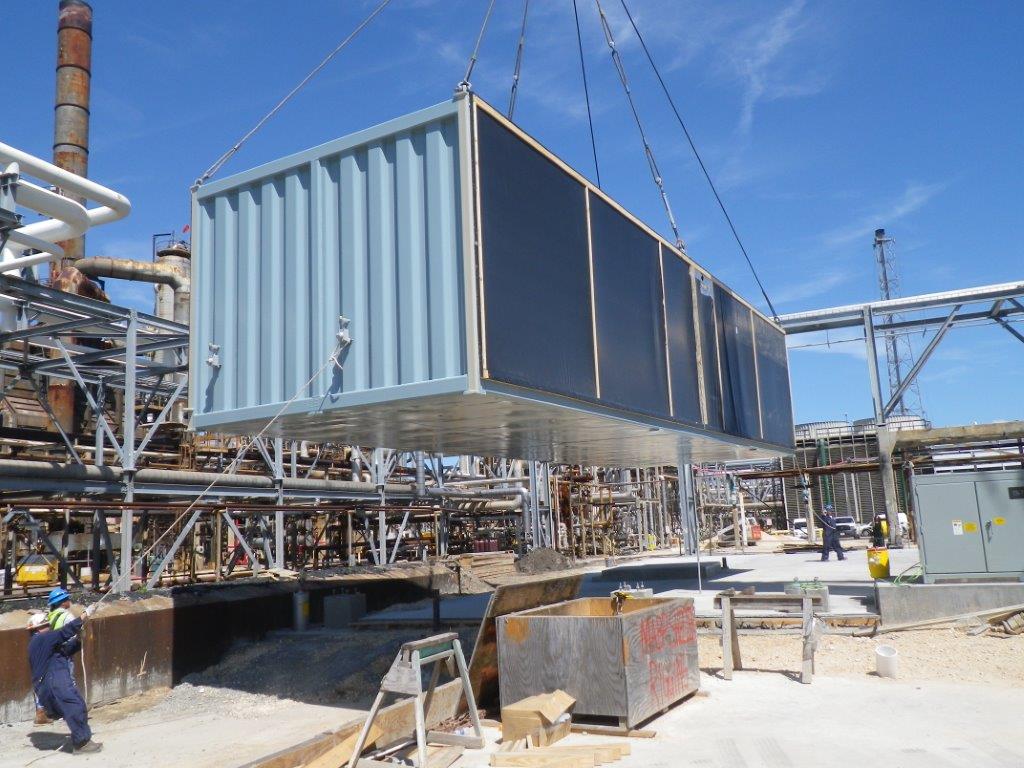
Modular building solutions refer to a modern construction method where buildings are manufactured in sections (modules) within a controlled factory environment. These modules are then transported to the site and assembled to create a complete structure.
Unlike traditional construction, where everything is built on-site, modular construction shifts most of the work to a factory setting. This controlled process improves quality, reduces waste, and significantly shortens project timelines.
Modular buildings can be permanent or temporary and are designed to meet the same building codes and standards as conventional structures.
Key Benefits of Modular Building Solutions
1. Faster Construction Timelines
One of the biggest advantages of modular building solutions is speed. Since site preparation and module fabrication happen simultaneously, overall construction time can be reduced by up to 30–50%.
For businesses, this means faster occupancy, quicker return on investment, and minimal operational disruption.
2. Cost-Effective Construction
Factory-controlled production reduces material waste, labor inefficiencies, and weather-related delays. Bulk purchasing of materials also lowers overall costs.
With predictable timelines and reduced risk of overruns, modular building solutions provide better budget control compared to traditional methods.
3. Superior Quality Control
Because modules are built in a controlled factory environment, quality checks are performed at every stage of the manufacturing process. This ensures consistency, precision, and compliance with safety standards.
Weather conditions, which often affect traditional construction quality, have minimal impact on modular projects.
4. Sustainability and Eco-Friendliness
Sustainability is becoming a top priority in construction. Modular building solutions generate less waste, use energy-efficient processes, and allow for recycling of excess materials.
Many modular buildings are designed with energy-efficient insulation, HVAC systems, and smart technology, reducing long-term energy consumption.
5. Flexibility and Scalability
Modular structures are highly adaptable. They can be expanded, relocated, or reconfigured as business needs evolve. This flexibility makes them ideal for growing companies and temporary project sites.
Applications of Modular Building Solutions
Modular construction is no longer limited to portable cabins or temporary offices. Today, it is widely used in various industries.
Commercial Buildings
Retail outlets, office complexes, and showrooms are increasingly adopting modular building solutions. Businesses benefit from faster completion and the ability to customize layouts.
Educational Institutions
Schools and universities use modular classrooms and administrative buildings to quickly accommodate growing student populations.
Healthcare Facilities
Hospitals and clinics require rapid expansion during emergencies. Modular healthcare units offer fast deployment while maintaining strict hygiene and safety standards.
Industrial and Workforce Accommodation
Industries in remote areas often require on-site housing for their workforce. Modular dormitories, dining facilities, and administrative blocks provide durable and efficient solutions.
Hospitality Sector
Hotels and serviced apartments are increasingly turning to modular construction to meet rising demand quickly and cost-effectively.
Modular vs Traditional Construction
When comparing modular building solutions with traditional construction, several differences stand out:
| Factor | Modular Construction | Traditional Construction |
|---|---|---|
| Timeline | Faster completion | Longer build time |
| Quality Control | Factory-controlled | On-site variability |
| Weather Impact | Minimal | Significant |
| Waste | Reduced | Higher |
| Scalability | Easy to expand | More complex |
While traditional construction still has its place, modular building solutions offer a competitive advantage in terms of efficiency and sustainability.
Technological Advancements in Modular Construction
Modern modular construction integrates advanced technologies such as:
- Building Information Modeling (BIM)
- 3D design and visualization
- Precision engineering
- Smart building systems
These innovations improve planning accuracy, reduce errors, and enhance overall project outcomes.
Automation in manufacturing ensures consistent quality and faster production cycles, making modular building solutions even more reliable.
The Future of Modular Building Solutions
As urban populations continue to grow and sustainability regulations become increasingly stringent, modular construction is expected to expand rapidly. Governments and private sectors are embracing this approach to address housing shortages, infrastructure needs, and commercial expansion.
The global push for greener construction practices also favors modular building solutions due to their reduced carbon footprint and efficient resource usage.
With continuous innovation, modular construction will likely become a mainstream method rather than an alternative option.
Why Businesses Should Consider Modular Building Solutions
If your organization values speed, cost control, sustainability, and flexibility, modular building solutions offer a powerful alternative to conventional construction.
Whether you need office space, industrial facilities, educational buildings, or accommodation units, modular construction provides:
- Rapid project delivery
- Predictable costs
- High-quality standards
- Sustainable building practices
- Future expansion capability
In competitive industries, the ability to build faster and smarter can provide a significant edge.
Conclusion
Modular building solutions are revolutionizing the construction industry by combining innovation, efficiency, and sustainability. As demand for faster and more cost-effective construction grows, modular methods are becoming the preferred choice for commercial, industrial, healthcare, and educational projects.