
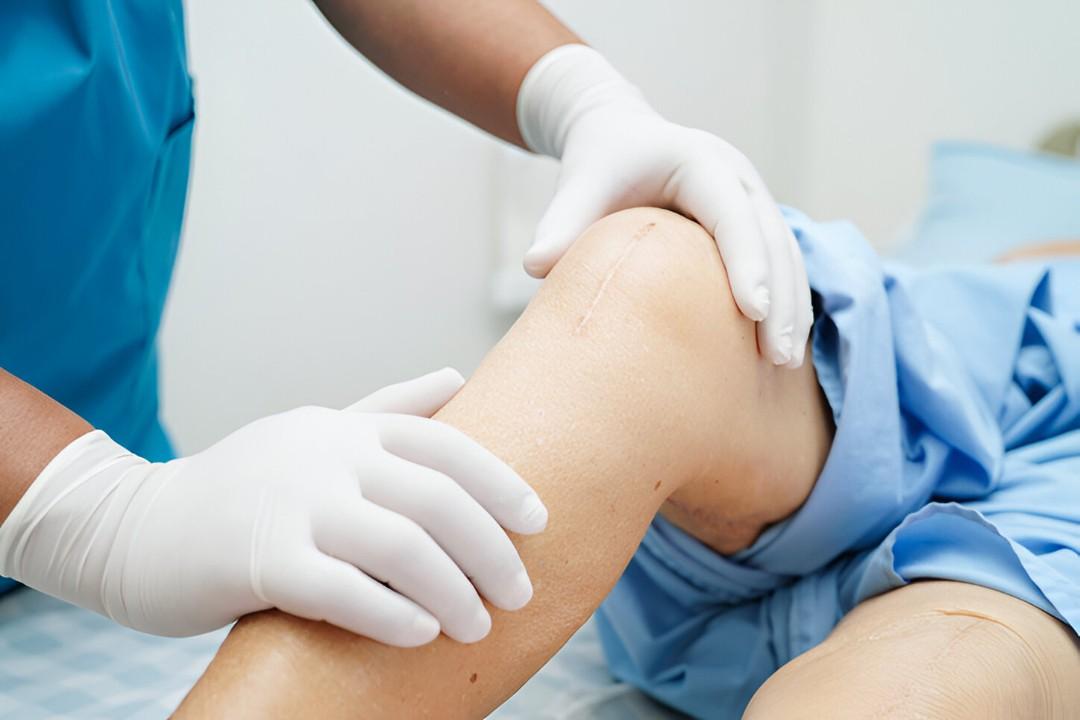
Knee pain can slowly take away a person’s independence. Simple activities like walking, climbing stairs, offering prayers, or even standing for a few minutes can become extremely painful. When medication, injections, and physiotherapy no longer provide relief, doctors often recommend total knee replacement in Islamabad as a long-term solution.
Over the past few years, total knee replacement has become a common and highly successful orthopedic procedure in the capital city. With experienced surgeons, modern surgical techniques, and advanced rehabilitation programs, many patients are now able to regain mobility and live pain-free lives.
This article provides a detailed overview of total knee replacement, including procedure details, cost, recovery, physiotherapy, and important post-surgery exercises.
What Is Total Knee Replacement?
Total knee replacement (also known as total knee arthroplasty) is a surgical procedure in which damaged cartilage and bone from the knee joint are removed and replaced with artificial components made of metal and medical-grade plastic.
The surgery is usually recommended for individuals suffering from:
- Severe osteoarthritis
- Rheumatoid arthritis
- Post-traumatic arthritis
- Advanced knee joint degeneration
- Long-term knee stiffness and swelling
When conservative treatments fail, knee replacement becomes the most reliable way to restore movement and reduce chronic pain.
Who Needs Total Knee Replacement in Islamabad?
Orthopedic specialists in Islamabad usually recommend surgery when:
- Knee pain persists even at rest
- Walking distance becomes very limited
- Sleep is disturbed due to pain
- Daily tasks become difficult
- Knee deformity (bowed legs) develops
- X-rays show severe cartilage damage
Many patients delay surgery due to fear or misconceptions. However, modern techniques have significantly improved safety, recovery time, and overall success rates.
Bilateral Total Knee Replacement – When Both Knees Need Surgery
Some patients suffer from severe arthritis in both knees. In such cases, doctors may suggest bilateral total knee replacement.
There are two main approaches:
- Simultaneous bilateral surgery – Both knees are replaced in one operation.
- Staged bilateral surgery – One knee is replaced first, and the second surgery is performed after a few months.
Bilateral procedures are suitable for patients who are medically fit and motivated for rehabilitation. Although recovery can be more demanding, it eliminates the need for two separate hospital admissions in some cases.
Total Knee Replacement Cost in Islamabad
One of the most common concerns for patients is affordability. The total knee replacement cost depends on multiple factors such as hospital, surgeon’s expertise, implant type, and room category.
The cost of Total Knee Replacement in Islamabad ranges from:
PKR 500,000 to PKR 1,500,000
What Influences the Cost?
- Type of implant (standard vs. high-flex implants)
- Hospital facilities
- Surgeon’s experience
- Duration of hospital stay
- Anesthesia charges
- Post-surgical medications
- Physiotherapy sessions
Private hospitals may charge on the higher end, while semi-private facilities may offer more budget-friendly options. Patients are advised to discuss complete cost breakdowns before scheduling surgery.
The Surgical Procedure – What Happens During Surgery?
A typical total knee replacement procedure takes about 1 to 2 hours. Here’s a simplified explanation:
- The patient receives spinal or general anesthesia.
- The surgeon makes an incision over the knee.
- Damaged cartilage and bone are carefully removed.
- Artificial components are fitted to recreate smooth joint movement.
- The incision is closed and bandaged.
Most patients stay in the hospital for 2–4 days depending on recovery progress.
Recovery Timeline After Total Knee Replacement
Recovery is gradual and requires patience. Here’s a general timeline:
First Week
- Standing and walking with support
- Pain and swelling management
- Gentle knee movement exercises
Weeks 2–6
- Improved mobility
- Reduced pain
- Regular physiotherapy sessions
After 3 Months
- Significant improvement in walking
- Return to daily activities
- Less dependency on walking aids
Full recovery can take 6 to 12 months, depending on age, overall health, and commitment to rehabilitation.
Total Knee Replacement Physiotherapy – The Key to Success
Surgery alone is not enough. Total knee replacement physiotherapy plays a vital role in regaining strength and flexibility.
Physiotherapy helps:
- Restore knee movement
- Reduce stiffness
- Strengthen thigh and calf muscles
- Improve balance
- Prevent complications like blood clots
Patients in Islamabad usually start physiotherapy within 24 hours after surgery. Early movement significantly improves long-term results.
Balance Exercises After Total Knee Replacement
Balance and stability training are essential parts of recovery. After surgery, muscles around the knee may feel weak. Specific exercises help rebuild strength and coordination.
Here are some recommended balance exercises after total knee replacement:
1. Single-Leg Stand (With Support)
Standing on the operated leg while holding a stable surface improves stability.
2. Heel-to-Toe Walk
Walking in a straight line by placing one foot directly in front of the other enhances coordination.
3. Mini Squats
Gentle squats strengthen thigh muscles without putting too much stress on the knee.
4. Step-Ups
Stepping onto a low platform builds functional strength.
5. Seated Leg Raises
Lifting the leg while seated improves quadriceps strength.
All exercises should be performed under professional guidance during the early recovery stage.
Benefits of Total Knee Replacement
Patients who undergo total knee replacement in Islamabad often report life-changing improvements.
Major Benefits Include:
- Significant pain relief
- Improved walking ability
- Better sleep quality
- Increased independence
- Enhanced quality of life
Many patients return to activities like light jogging, cycling, and traveling after full recovery.
Risks and Possible Complications
Like any major surgery, knee replacement carries some risks. However, complications are rare when performed by experienced surgeons.
Possible risks include:
- Infection
- Blood clots
- Implant loosening
- Nerve damage
- Knee stiffness
Choosing a qualified orthopedic surgeon and following post-operative instructions greatly reduces these risks.
How Long Does a Knee Implant Last?
Modern implants are designed to last 15 to 25 years or even longer. Longevity depends on:
- Body weight
- Activity level
- Implant quality
- Surgical technique
- Proper physiotherapy
Younger patients are encouraged to avoid high-impact activities to extend implant lifespan.
Preparing for Total Knee Replacement Surgery
Preparation improves surgical outcomes. Doctors often recommend:
- Managing diabetes or blood pressure
- Losing excess weight
- Strengthening leg muscles before surgery
- Stopping smoking
- Arranging home support for recovery
Mental preparation is equally important. Patients should understand that recovery requires dedication and consistent physiotherapy.
Life After Total Knee Replacement
After recovery, most patients can:
- Walk without severe pain
- Climb stairs comfortably
- Drive a car
- Travel
- Perform daily prayers with ease
However, high-impact sports like football or long-distance running may not be advised.
Maintaining a healthy lifestyle helps protect the new joint for years to come.
Why Islamabad Is Becoming a Popular Choice for Knee Replacement
Islamabad offers:
- Experienced orthopedic surgeons
- Modern surgical facilities
- Advanced implant technology
- Structured physiotherapy programs
- Competitive pricing compared to international standards
Many patients from nearby cities also travel to the capital for high-quality orthopedic care.
Final Thoughts
Total knee replacement in Islamabad has transformed the lives of countless individuals suffering from chronic knee pain. With modern surgical methods, structured rehabilitation, and proper post-operative care, patients can return to an active and independent lifestyle.
While the total knee replacement cost ranges from PKR 500,000 to PKR 1,500,000, the long-term benefits often outweigh the financial investment. Whether a patient requires a single procedure or bilateral total knee replacement, proper consultation and physiotherapy are the keys to successful recovery.
Anyone struggling with severe knee arthritis should consult a qualified orthopedic specialist to explore whether total knee replacement is the right solution. With the right guidance and commitment to rehabilitation, a pain-free future is possible.
