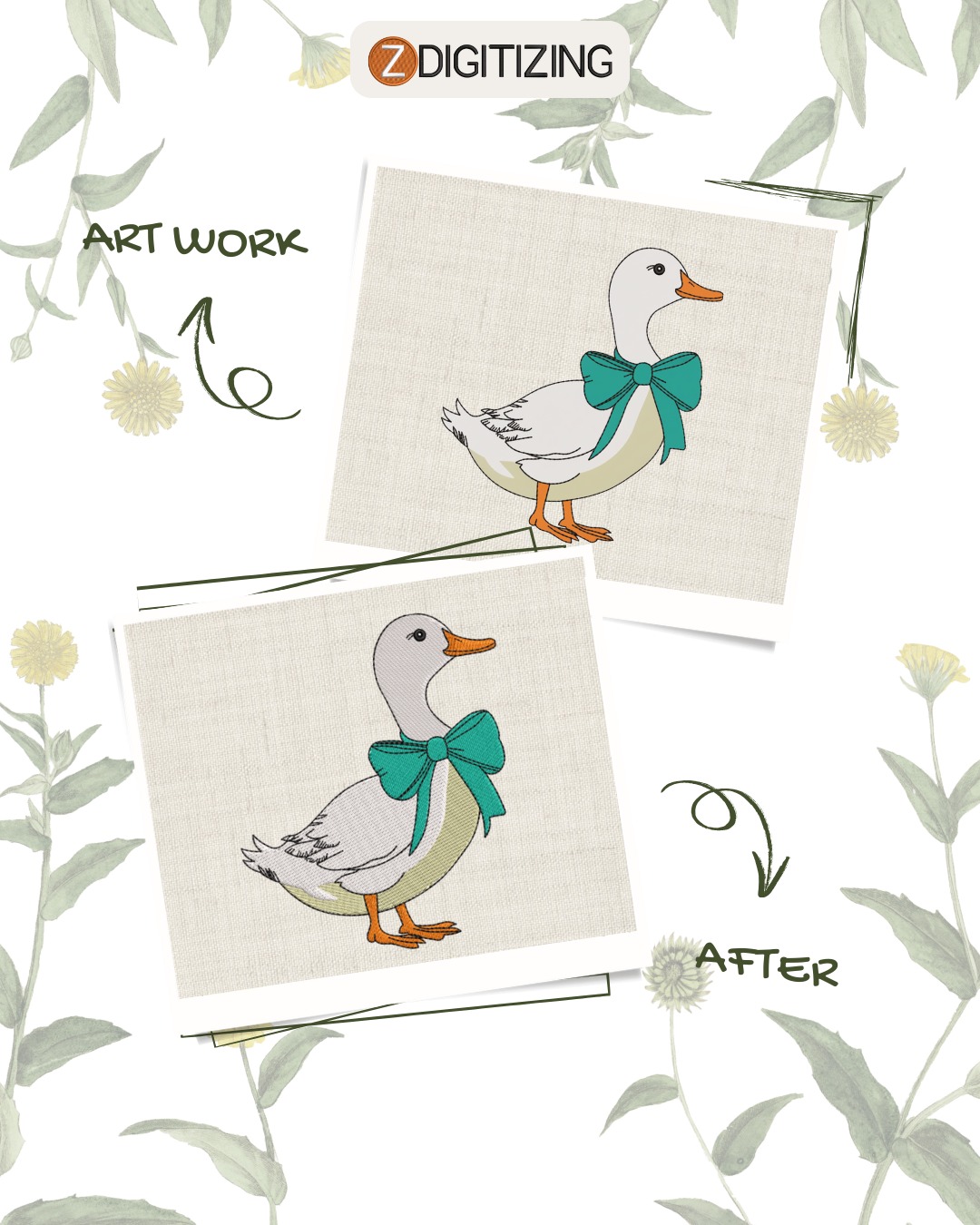
Embroidery digitizing has become a critical service for apparel brands, promotional product suppliers, corporate uniform providers, and independent designers. High-quality digitizing converts logos and artwork into machine-ready stitch files that embroidery machines can read accurately. In the competitive market of the United States (USA), businesses expect precision, consistency, and dependable turnaround when outsourcing digitizing services.
If you are searching for the best embroidery digitizing in USA, it is important to evaluate providers based on technical expertise, real-world embroidery knowledge, and proven quality control processes.
What Is Embroidery Digitizing?
Embroidery digitizing is the technical process of transforming artwork into a digital embroidery file such as DST, PES, EXP, or JEF. This process requires trained professionals who understand stitch behavior, fabric types, and machine limitations. It is not simply software conversion. Manual digitizing involves:
- Selecting appropriate stitch types (satin, fill, run)
- Adjusting stitch direction and density
- Applying correct underlay
- Setting pull compensation
- Organizing trims and color sequences
An experienced digitizer ensures that the embroidered result matches the original artwork while maintaining structural integrity during stitching.
Why Experience Matters in Embroidery Digitizing
From a practical production perspective, embroidery digitizing is both a technical and manufacturing skill. Digitizers who understand how embroidery machines operate can prevent issues such as thread breaks, puckering, and uneven fills.
Professional embroidery digitizing services in USA often rely on:
- Years of hands-on embroidery production experience
- Testing designs before final delivery
- Fabric-specific stitch adjustments
- Optimized stitch counts for efficiency
Experience reduces production errors and ensures smoother machine runs, which ultimately saves time and materials.
Core Qualities of the Best Embroidery Digitizing Services
Precision and Technical Accuracy
High-quality digitizing requires careful mapping of stitch angles, density, and layering. Small lettering, gradients, and detailed logos demand close attention. Proper push-pull compensation prevents distortion, particularly on structured garments and performance fabrics.
Reliable Turnaround Times
Production schedules are often tight. Reputable providers offer structured turnaround options, including standard and rush services, without sacrificing quality. Meeting deadlines consistently builds trust with apparel decorators and promotional businesses.
Fabric-Specific Digitizing
A design stitched on a flat cotton garment behaves differently than one applied to fleece, caps, towels, or stretch materials. Skilled digitizers adjust:
- Underlay type
- Stitch density
- Stitch direction
- Compensation settings
This technical customization ensures consistent results across various garments.
Multi-Format File Compatibility
Professional services provide machine-ready files compatible with major embroidery formats, including DST, PES, EXP, JEF, VP3, and HUS. Delivering correct formats reduces production delays and machine errors.
Benefits of Professional Embroidery Digitizing in USA
Choosing an experienced digitizing provider delivers measurable operational benefits:
- Improved stitch quality and cleaner finishes
- Reduced thread breaks and machine downtime
- Lower risk of fabric damage
- Accurate brand logo reproduction
- Consistent repeat orders
These benefits directly impact profitability and brand credibility.
Industries That Depend on Embroidery Digitizing
Embroidery digitizing supports a wide range of industries where consistent branding and durability matter. These include corporate uniforms, sports apparel, promotional merchandise, fashion brands, workwear, and educational institutions. Each sector requires design adjustments based on fabric type, logo complexity, and production volume.
A digitizer familiar with commercial embroidery production can adapt files for left chest logos, cap fronts, jacket backs, and specialty placements.
Common Problems Caused by Low-Quality Digitizing
Selecting an inexperienced provider often leads to avoidable production challenges such as excessive stitch counts, poor underlay settings, gaps in lettering, and distorted shapes. Over-digitized files increase machine run time and thread consumption, raising production costs.
Professional digitizing focuses on efficiency achieving clean results with balanced stitch density and structured layering.
How Quality Digitizing Strengthens Brand Credibility
Embroidery represents permanence. Unlike printed graphics, embroidered logos are durable and highly visible on uniforms and branded apparel. Poor stitch quality can negatively affect a company’s image, while clean, well-structured embroidery reinforces professionalism.
High-quality embroidery digitizing ensures:
- Defined edges and smooth curves
- Balanced stitch flow
- Proper layering to prevent gaps
- Long-term durability after repeated washing
For businesses investing in branded apparel, digitizing quality directly affects how their brand is perceived.
Final Thoughts
Finding the best embroidery digitizing in USA involves more than comparing prices. It requires assessing technical knowledge, production awareness, quality control practices, and customer support reliability. Professional digitizing ensures that artwork translates into clean, efficient embroidery that performs well across different fabrics and garment types.
For apparel decorators, promotional companies, and brand owners, investing in expert embroidery digitizing leads to fewer production issues, stronger brand presentation, and long-term operational efficiency.
Frequently Asked Questions (FAQs)
1. What file format is best for embroidery machines?
The most commonly used format is DST, but the correct format depends on your embroidery machine brand. Professional digitizing services provide files tailored to your specific machine requirements.
2. How long does embroidery digitizing take?
Standard turnaround is typically between 12 to 24 hours, depending on design complexity. Rush services may be available for urgent production needs.
3. Why can’t I use automatic digitizing software?
Automatic software often generates excessive stitch counts and poor stitch direction. Manual digitizing ensures better quality, reduced thread breaks, and improved final results.
4. Does digitizing need to be adjusted for different fabrics? Yes. Fabric type significantly affects stitch behavior. Density, underlay, and compensation settings must be customized to prevent distortion and puckering.