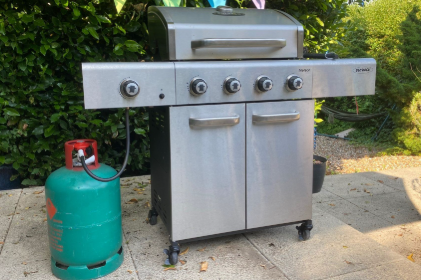
Gas barbecues have become a staple in backyards, patios, and gardens worldwide. Their convenience, ease of use, and ability to deliver perfectly cooked meals make them a favorite among grilling enthusiasts. However, the performance and safety of a gas barbecue heavily depend on proper maintenance of its gas bottle. Neglecting bottle upkeep can lead to inefficiency, leaks, and, in the worst-case scenario, accidents. This article explores comprehensive strategies for gas barbecue bottle maintenance, ensuring your grill remains safe, efficient, and long-lasting.
Understanding Your Gas Barbecue Bottle
Before diving into maintenance practices, it’s crucial to understand the basics of a gas barbecue bottle. Gas bottles, typically filled with propane or butane, act as the fuel source for your barbecue. These bottles are pressurized containers, meaning they store gas at high pressure, which allows the fuel to vaporize and ignite when released through the grill’s burners.
Gas bottles come in various sizes, from small 1 kg portable bottles to larger 15 kg or 20 kg bottles suitable for frequent backyard grilling. Regardless of size, all bottles require regular checks to maintain safety and efficiency.
Why Gas Bottle Maintenance Is Crucial
Maintaining your gas bottle isn’t just about prolonging its lifespan. It directly impacts safety, cooking efficiency, and cost-effectiveness:
- Safety – Gas leaks can be extremely dangerous. A poorly maintained bottle or valve increases the risk of gas escaping, leading to potential fires or explosions.
- Performance – A blocked or damaged bottle can reduce gas flow, causing uneven flames and poor cooking results.
- Cost Savings – Efficient bottles use gas optimally, reducing wastage and lowering the frequency of refills.
- Longevity – Proper care helps prevent rust, corrosion, and damage, extending the life of your gas bottle.
Essential Gas Bottle Maintenance Tips
Maintaining your gas barbecue bottle involves a combination of inspection, cleaning, proper storage, and handling techniques. Below are essential tips to ensure your bottle remains in excellent condition.
1. Regular Inspection for Damage and Leaks
Frequent inspections are the cornerstone of gas bottle safety. Before every use:
- Check the body of the bottle – Look for dents, rust, or any signs of wear. Rust is particularly dangerous as it can weaken the metal, making it susceptible to leaks.
- Inspect the valve – Ensure the valve is clean, undamaged, and functioning properly. A faulty valve can prevent proper gas flow or lead to leaks.
- Leak detection – Apply a solution of soapy water to the valve and hose connections. If bubbles form when the gas is turned on (without lighting the grill), there’s a leak that needs immediate attention.
2. Proper Cleaning
Although gas bottles do not require extensive cleaning like the grill itself, keeping the exterior clean is important:
- Wipe down the bottle – Use a damp cloth to remove dirt, grease, or debris that can contribute to corrosion.
- Valve area maintenance – Ensure no debris enters the valve. If dirt is present, gently clean it with a soft brush.
3. Correct Storage Practices
Where and how you store your gas bottle can significantly impact its safety and lifespan:
- Outdoor storage – Gas bottles should be stored outdoors in a well-ventilated area, away from direct sunlight and sources of heat. High temperatures can increase pressure inside the bottle, posing a risk.
- Avoid enclosed spaces – Never store bottles in garages, basements, or sheds where gas could accumulate if a leak occurs.
- Upright positioning – Always store bottles in an upright position. This ensures the gas remains at the top of the cylinder in vapor form, preventing liquid gas from entering the regulator, which could damage the grill.
4. Proper Handling Techniques
Handling your gas bottle correctly can prevent damage and ensure safe operation:
- Transport with care – When moving bottles, use a protective cover or bottle bag to prevent scratches or dents. Always carry the bottle upright.
- Avoid dropping or dragging – Physical impacts can compromise the integrity of the bottle.
- Disconnect when not in use – Turn off the gas at the bottle after grilling sessions to prevent accidental leaks.
5. Regular Refilling and Replacement
Gas bottles have a lifespan and should be replaced periodically. Depending on the brand and material, most propane bottles last 10–15 years. Tips include:
- Check the expiry date – Many bottles have a stamped date indicating when they were manufactured. Replace bottles that exceed their recommended lifespan.
- Refill responsibly – Only refill bottles at certified suppliers. Overfilling can lead to excessive pressure and potential hazards.
- Keep spare bottles – Having an extra bottle allows you to swap safely without interrupting cooking while ensuring none of the bottles are overused.
6. Using the Right Accessories
Safety and efficiency are enhanced by the correct use of accessories:
- Regulators – Ensure your gas bottle is paired with a compatible regulator. Regulators control gas pressure and prevent damage to the grill.
- Hoses – Inspect hoses regularly for cracks or signs of wear. Replace any damaged hoses immediately.
- Protective caps – Always keep the valve covered with its protective cap when not in use to prevent dirt or moisture from entering.
7. Winter and Seasonal Maintenance
Seasonal changes can affect gas bottles:
- Cold weather – Low temperatures can reduce gas pressure, affecting grill performance. Keep bottles in insulated storage or closer to the cooking area when possible.
- Prevent moisture accumulation – Rain or snow can cause rust. Use a waterproof cover for outdoor storage.
- Inspect after prolonged disuse – If a bottle hasn’t been used for months, check for leaks or damage before connecting it to the grill.
8. Safety Precautions During Use
Even with a well-maintained bottle, following safety measures during use is critical:
- Keep a safe distance – Place the bottle away from direct flames while grilling.
- Avoid tampering – Never try to repair or modify the bottle yourself. Only certified professionals should handle repairs.
- Emergency readiness – Have a fire extinguisher nearby, and know how to shut off the gas quickly if a leak or fire occurs.
Common Gas Bottle Issues and How to Address Them
Despite proper care, certain issues may arise. Recognizing and addressing them promptly can prevent accidents.
1. Gas Leaks
Gas leaks are often caused by damaged valves, hoses, or poor connections. Always perform a leak test before each grilling session. If a leak is detected:
- Turn off the gas immediately.
- Do not light the grill.
- Move the bottle to a well-ventilated area.
- Replace the damaged parts or contact a professional.
2. Rust and Corrosion
Exposure to moisture is the main culprit behind rust. To combat it:
- Clean the bottle regularly.
- Store it under a covered area.
- If rust appears, remove surface rust with sandpaper and apply a protective coating. However, severe rust may require bottle replacement.
3. Low Gas Pressure
Reduced flame intensity may indicate low gas or blocked valves:
- Check for gas levels and refill if necessary.
- Inspect valves and hoses for clogs.
- Ensure the regulator is functioning correctly.
4. Expired Bottles
Using expired bottles increases the risk of leaks or pressure failures. Always check the manufacturing date and adhere to replacement guidelines.
Signs You Need to Replace Your Gas Bottle
Even with diligent maintenance, gas bottles don’t last forever. Replace your bottle if you notice:
- Extensive rust or corrosion.
- Persistent leaks even after valve replacement.
- Physical damage, such as deep dents or cracks.
- Gas performance issues that persist despite proper refilling and regulator checks.
- Expired manufacturing date.
Environmental Considerations
Responsible gas bottle use also involves environmental awareness:
- Recycle old bottles – Many suppliers accept empty or expired cylinders for safe disposal.
- Avoid venting gas – Never release gas into the air intentionally.
- Use eco-friendly options – Consider modern propane bottles with higher efficiency ratings to reduce emissions and waste.
Conclusion
Proper gas barbecue bottle maintenance is essential for safety, efficiency, and longevity. By inspecting bottles regularly, cleaning them, storing them correctly, and following safe handling procedures, you can enjoy worry-free grilling and ensure your meals are cooked evenly and deliciously. Regular maintenance also prevents accidents, reduces gas wastage, and extends the life of your barbecue equipment.
In short, a well-maintained gas bottle is not just a piece of equipment; it’s a crucial safety and performance component of your outdoor cooking setup. Invest time in upkeep, and your barbecue experiences will be safer, more efficient, and more enjoyable for years to come.