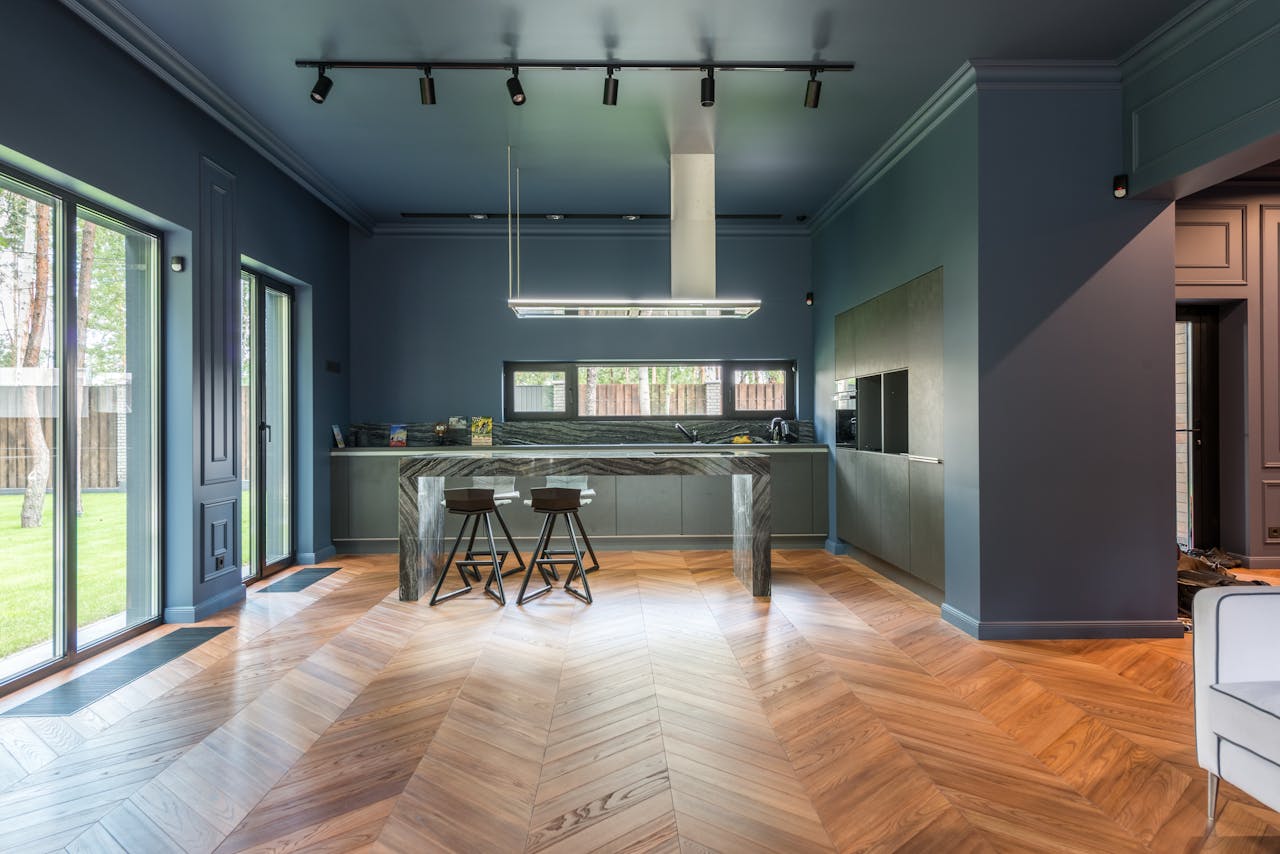
A solid wood kitchen island is one of the most beautiful and useful features you can add to your kitchen. It adds warmth, strength, and natural beauty to the space. Whether you have a hardwood kitchen island made from oak, maple, walnut, or cherry, proper care is very important. Real wood is strong, but it still needs regular maintenance to stay in great condition.
In this guide, you will learn how to maintain and protect a solid wood kitchen island the right way. This article explains everything in simple and easy United States English so that every homeowner can understand and apply the tips easily.
Why Solid Wood Needs Special Care
A solid wood kitchen island is different from laminate or engineered wood furniture. It is made from real hardwood, which means it is natural and can react to moisture, heat, and daily use.
Wood expands and shrinks depending on humidity levels. It can also develop scratches, dents, or stains if it is not properly protected. The good news is that a real wood kitchen island can last for decades if you take care of it correctly. Unlike synthetic materials, solid wood can be sanded and refinished, which makes it a long-term investment for your home.
Understanding how wood behaves will help you protect your wooden kitchen island from damage and keep it looking beautiful year after year.
Daily Cleaning for a Solid Wood Kitchen Island
Use Gentle Cleaning Methods
Daily cleaning is the first step in protecting your hardwood kitchen island. After cooking or food preparation, wipe the surface with a soft, damp cloth. Use warm water and a mild dish soap if needed.
Avoid harsh chemical cleaners, bleach, or ammonia-based products. These can damage the wood finish and cause discoloration over time. Strong chemicals may also dry out the wood surface, leading to cracks or dullness.
Always dry the surface immediately after cleaning. Leaving water on a wooden kitchen island can cause water stains or swelling.
Wipe Spills Immediately
Spills are common in busy kitchens. Whether it is coffee, juice, oil, or sauce, it is important to clean it up right away. Liquids can soak into the wood if left too long, especially on a butcher block kitchen island.
Water rings and stains often happen when moisture sits on the surface. By wiping spills quickly, you prevent permanent damage and keep your solid wood kitchen island looking fresh.
Protecting the Surface from Heat and Moisture
Avoid Direct Heat Contact
Heat is one of the biggest enemies of solid wood. Never place hot pots, pans, or baking trays directly on your wooden kitchen island. The heat can damage the finish and leave burn marks.
Always use heat pads or trivets to protect the surface. Even if your island has a strong finish, repeated heat exposure can weaken it over time.
Control Humidity Levels
Wood reacts to changes in humidity. In very dry conditions, it can shrink and crack. In high humidity, it may expand slightly. This is natural, but extreme changes can cause problems.
Try to keep indoor humidity between 35 percent and 55 percent. Using a humidifier in winter or a dehumidifier in summer can help protect your solid wood kitchen island from warping or splitting.
Maintaining a Butcher Block Kitchen Island
Regular Oiling for Protection
If you have a butcher block kitchen island, regular oiling is very important. Unlike sealed hardwood surfaces, butcher block is often treated with food-safe mineral oil.
Applying mineral oil once a month helps keep the wood hydrated and prevents it from drying out. The oil creates a protective barrier against moisture and food stains.
To oil your island, clean the surface first and let it dry completely. Apply a generous amount of mineral oil with a soft cloth. Let it soak in for several hours or overnight. Wipe off any excess oil the next day.
This simple process keeps your solid wood kitchen island strong and ready for daily food preparation.
Use Food-Safe Finishes
If you use your real wood kitchen island for chopping and cutting, make sure the finish is food-safe. Mineral oil and beeswax are popular choices. Avoid varnish or polyurethane on surfaces used directly for food preparation, unless you use cutting boards on top.
Preventing Scratches and Dents
Use Cutting Boards and Mats
Even though hardwood is durable, knife marks and scratches can still happen. Always use a cutting board instead of cutting directly on your wooden kitchen island.
Place mats under heavy appliances like mixers or coffee machines. This reduces the risk of dents and surface damage.
Be Careful with Heavy Objects
Dropping heavy items can cause dents in a solid wood kitchen island. While minor dents can often be repaired, prevention is better. Lift heavy cookware instead of sliding it across the surface.
If you notice small scratches, you can lightly sand the area and apply oil or finish to restore the look. One advantage of solid wood over laminate is that it can be repaired and refinished.
Refinishing a Solid Wood Kitchen Island
When to Refinish the Surface
Over time, even a well-maintained hardwood kitchen island may show signs of wear. The finish may become dull, scratched, or uneven. Refinishing can restore its original beauty.
Light sanding removes surface damage. After sanding, apply a new coat of oil, wax, or polyurethane depending on your island type. For a butcher block kitchen island, mineral oil is usually the best choice.
Refinishing is one reason why many homeowners prefer a solid wood kitchen island. Unlike synthetic materials, it can look brand new again with proper care.
Professional vs DIY Refinishing
Some homeowners choose to refinish their wooden kitchen island themselves. If the damage is minor, DIY refinishing can work well. However, for deep scratches or large areas of wear, hiring a professional may give better results.
A professional can sand evenly and apply a smooth finish, especially for large custom kitchen island designs.
Protecting the Base and Cabinets
Clean and Inspect Regularly
If your solid wood kitchen island includes cabinets or drawers, clean them regularly as well. Dust and grease can build up over time. Use a soft cloth and gentle cleaner to keep the surfaces clean.
Check hinges, handles, and drawer slides to make sure everything works properly. Tighten loose screws to prevent long-term damage.
Avoid Water Damage Near the Base
Water from mopping floors can damage the bottom of a wooden kitchen island. Avoid soaking the area with water. Dry the floor properly after cleaning to prevent moisture from reaching the wood.
If your island has a sink installed, check for leaks regularly. Plumbing leaks can cause serious damage if not fixed quickly.
Long-Term Protection Tips
A solid wood kitchen island can last for many years if maintained correctly. Use protective pads under decorations and appliances. Keep sharp objects away from the surface. Avoid dragging stools against the sides if your island has seating.
Regular care not only protects the wood but also keeps your kitchen looking elegant and inviting. Whether you have a farmhouse-style island, a modern hardwood kitchen island, or a custom kitchen island with storage, consistent maintenance is the key to long-lasting beauty.
Conclusion
Maintaining and protecting a solid wood kitchen island is simple when you follow the right steps. Clean it daily with gentle products, protect it from heat and moisture, oil it regularly if it is a butcher block surface, and refinish it when needed.
Real wood is strong, beautiful, and long-lasting. With proper care, your wooden kitchen island will continue to be the heart of your kitchen for many years. Taking a few simple precautions today will protect your investment and keep your solid wood kitchen island looking as beautiful as the day you installed it.