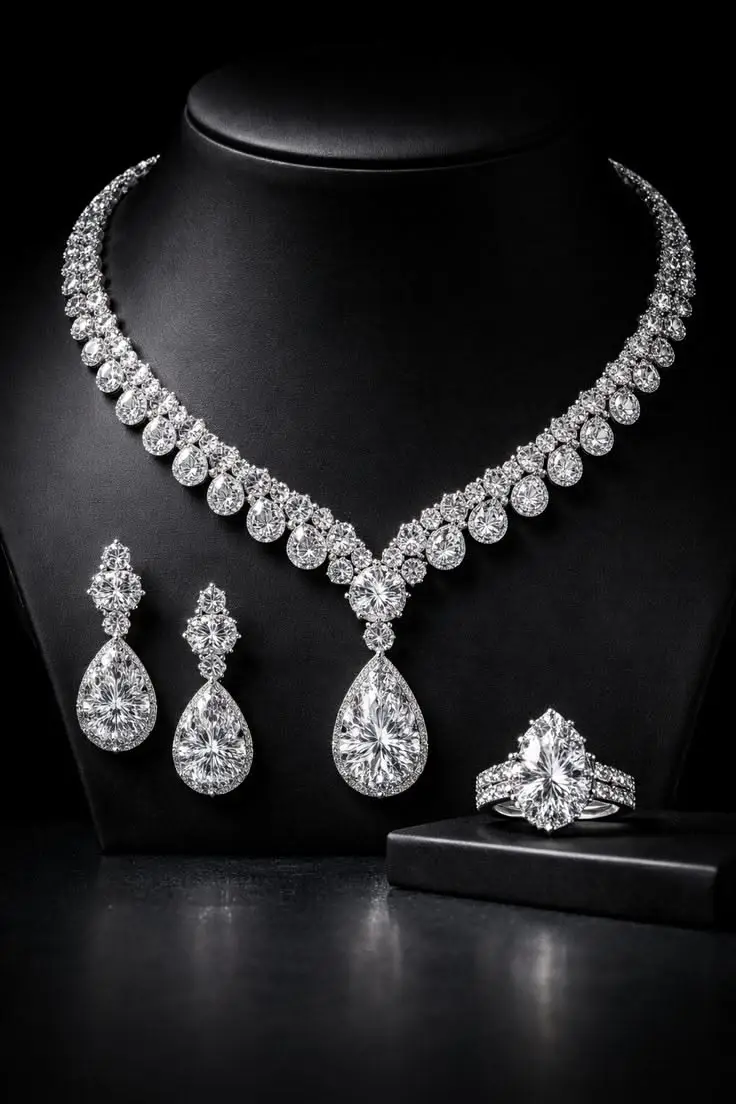
When you first see a Verragio engagement ring, it’s hard not to notice just how different it looks from everything else on the market. There’s a level of detail you don’t usually find in other rings. Every curve, every tiny accent, and every angle has a purpose. But what actually goes into making one of these rings? The process is more hands-on and more involved than most people realize. Let’s walk through it step by step.
The Design Process Starts on Paper
All rings begin their journey from a design sketch before metals undergo shaping or diamonds begin their setting process. The design team of Verragio creates their designs through hand drawing, which allows them to develop proportions and details on actual paper. The design team evaluates ring appearance by assessing its visual aspects from every directional view, which includes all vertical and horizontal perspectives. The design assessment process includes three visual elements that show how the ring appears on a finger and its complete visual presentation. Most jewelry brands focus mainly on the face of the ring. Verragio places equal importance on the aspects of ring design that viewers experience from the ring’s side and underneath. The brand uses this method to create rings that have a recognizable design that people can identify instantly.
How Does a Verragio Engagement Ring Go From Concept to Reality?
The design team uses CAD software to create a 3D model after receiving design approval. The digital model enables precise measurement adjustments to be made before production of physical items begins. The team evaluates stone placement and band thickness and the distance between accent components. The process of creating a wax prototype begins after the digital model receives approval. The wax version serves as the initial physical representation of the ring. Jewelers conduct a detailed examination to find any problems that affect ring fit or symmetrical balance. Any discrepancies found in the assessment process will lead to model modifications followed by another printing round. The design undergoes multiple rounds of adjustments until it reaches the final state, which can be sent for casting.
Casting and Metalwork
The lost-wax casting method creates a mold from the wax model, which allows molten metal to flow into the mold. The company of Verragio deals with four metal types, which include platinum and three different gold variations. Some of their most well-known designs actually combine two or three metals in a single ring. The procedure requires meticulous planning because all metals need to function together without creating visual or structural conflicts. The initial stage of ring processing occurs after the casting process finishes. The process begins with metal excess removal and progresses to shape development. The object maintains its basic structural appearance but still requires further work to reach its completed state.
Hand Finishing and Detailing
This section marks the beginning of the most exciting developments. The craftspeople at Verragio dedicate extensive time to complete the hand-finishing work for every single ring. The metalworkers use filing, sanding, and polishing methods to create surfaces that are both smooth and have clearly defined edges. The brand’s signature design elements include elaborate scrollwork, beading, and filigree patterns that extend throughout the ring’s outer sides and interior gallery. Human workers create these features through manual shaping and refinement work. The rings possess a unique texture and depth that photos fail to show properly. To fully understand its worth, you must touch it directly. The hand-finishing process needs multiple hours of work to complete for each individual ring.
Stone Setting
The time arrives for stone installation after metalwork polishing and quality control have been completed. Verragio rings often feature not just a center diamond but also smaller accent diamonds along the band and inner edges. The process of setting tiny stones requires both perfect hand control and advanced levels of endurance. The setters place each diamond into its designated position, which they secure with either metal prongs or beads. The setters utilize magnification equipment to verify that all elements align with total accuracy. The entire design element becomes distorted when even one stone sits improperly. The process requires two major steps, which start with center stone installation as the final task. The diamond gets mounted into the prong system, which protects it while revealing maximum stone visibility.
Quality Checks and Final Polish
After completing the stone-setting process, the ring undergoes its last examination. The team examines the ring for equal symmetry and secure stone placement and for all visible surface defects. The team removes all small scratches that occurred during the stone-setting operation. The ring receives a final polish, which reveals the entire metal and diamond shine. Certain designs reach their two-tone or three-tone finishing point through this process, which involves plating specific areas of the ring to create visible metal contrasts. The brand’s most popular design feature combines multiple colors to create a visually appealing layered effect.
Why the Process Matters
Most brands operate their ring production process through automatic methods, which require minimal human operators. Verragio follows a completely new approach. Their operational system requires additional procedures that demand extended durations and specialized expertise. The process produces results that display a distinctive outcome. The human-designed aspects of the ring become visible through a close examination of the Verragio engagement ring. The scrollwork isn’t stamped. The stones aren’t glued in. Everything was constructed with a specific purpose in mind. People return to the brand because of its dedication to genuine craftsmanship, which attracts both first-time buyers and those who are upgrading their jewelry after several years. This brand deserves your attention if you value the process as much as you value the final appearance.