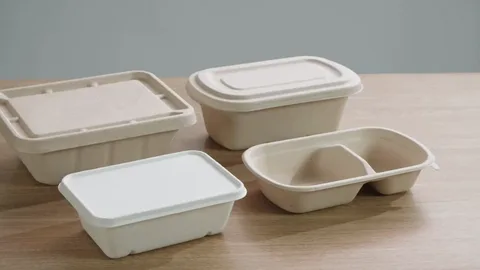
In recent years, restaurants and cafes have been seeking environmentally friendly alternatives to traditional plastic packaging. Among the most promising solutions are Molded Fiber Food Containers, which offer both sustainability and practicality. These containers are made from renewable resources like sugarcane bagasse, wheat straw, and bamboo fibers. Their eco-friendly composition ensures that businesses can serve food responsibly while reducing their carbon footprint. For establishments aiming to meet consumer demand for sustainable dining options, molded fiber containers are becoming an essential choice.
Unlike conventional plastic containers, Molded Fiber Food Containers are biodegradable and compostable. This means that after use, they can break down naturally without harming the environment. Moreover, these containers are sturdy and can handle a wide range of foods, from hot soups to fresh salads, making them ideal for cafes and restaurants that prioritize both convenience and quality. By adopting these containers, businesses not only contribute to environmental conservation but also enhance their brand image as eco-conscious and responsible.
Benefits of Using Molded Fiber Food Containers
One of the primary benefits of Molded Fiber Food Containers is their sustainability. They are typically made from agricultural byproducts, which reduces waste and promotes the efficient use of natural resources. Additionally, these containers are often produced using minimal energy and water, making the manufacturing process environmentally friendly. Restaurants and cafes using molded fiber containers can therefore position themselves as leaders in the green dining movement, attracting customers who prioritize sustainability in their purchasing decisions.
Another advantage is their durability and versatility. Molded fiber containers are designed to withstand hot, cold, and wet foods without leaking or losing their structural integrity. This makes them perfect for takeout, delivery, or dine-in services. The ability to safely transport meals without compromising quality enhances customer satisfaction and reduces complaints about spills or soggy packaging. For businesses, this reliability translates into operational efficiency and a better overall dining experience.
Customization and Branding Opportunities
Beyond functionality, Molded Fiber Food Containers offer restaurants and cafes the chance to enhance their branding. Many manufacturers provide options to customize containers with logos, slogans, or unique designs. Customized containers not only reinforce brand recognition but also create a memorable impression for customers, which can lead to increased loyalty and repeat business. By pairing sustainability with marketing, cafes and restaurants can communicate their commitment to eco-friendly practices while also standing out in a competitive market.
Furthermore, these containers come in a variety of shapes and sizes, accommodating different types of meals and portion sizes. From bowls for pasta dishes to trays for bakery items, molded fiber containers offer versatility without sacrificing aesthetic appeal. This flexibility ensures that establishments can maintain a cohesive and professional look across their packaging while catering to diverse menu offerings. Customizable molded fiber containers effectively combine function, sustainability, and style.
Health and Safety Considerations
Health and safety are critical in the food industry, and Molded Fiber Food Containers meet strict regulatory standards. They are free from harmful chemicals such as BPA, phthalates, and other toxins commonly found in plastic containers. This makes them safe for direct contact with food, including hot meals and acidic sauces. For restaurants and cafes, ensuring food safety is not only a legal requirement but also a key factor in maintaining customer trust and satisfaction.
Additionally, molded fiber containers are microwave-safe and can often withstand freezing temperatures, providing added convenience for both customers and staff. Their non-toxic composition also ensures that the food retains its natural taste without absorbing chemicals or odors. With increasing consumer awareness about health and environmental impact, choosing molded fiber containers aligns with the growing demand for safe and sustainable food packaging solutions.
Environmental Impact and Waste Reduction
One of the most significant reasons for the rising popularity of Molded Fiber Food Containers is their minimal environmental impact. Traditional single-use plastics can take hundreds of years to decompose, often ending up in oceans and landfills. In contrast, molded fiber containers decompose naturally within months, enriching the soil when composted. For restaurants and cafes, this means contributing to a circular economy while actively reducing waste and environmental pollution.
Moreover, adopting molded fiber containers can be part of a broader sustainability strategy. Many businesses implement composting programs to manage used containers and reduce their overall carbon footprint. By doing so, they not only comply with emerging regulations on single-use plastics but also strengthen their reputation as environmentally responsible establishments. Customers increasingly reward eco-conscious practices with loyalty, making molded fiber containers both an ethical and strategic choice.
Cost Efficiency and Long-Term Value
While Molded Fiber Food Containers may initially seem more expensive than conventional plastics, they offer long-term value. Their durability reduces the risk of leaks or spills, decreasing waste and the need for double packaging. Additionally, as demand for sustainable products grows, suppliers are achieving economies of scale, making molded fiber containers more affordable for businesses of all sizes.
Investing in these containers can also lead to cost savings through marketing and brand differentiation. Customers are willing to pay a premium for meals served in environmentally friendly packaging, and restaurants can leverage this to justify slightly higher menu prices. Over time, the combination of operational efficiency, customer loyalty, and sustainable branding makes molded fiber food containers a cost-effective and forward-thinking investment for any restaurant or cafe.
Conclusion
For restaurants and cafes seeking a balance between sustainability, functionality, and brand enhancement, Molded Fiber Food Containers are an excellent choice. They offer durability, safety, and environmental benefits, making them suitable for a wide range of menu items and operational needs. By incorporating these containers into daily operations, businesses can reduce waste, appeal to eco-conscious consumers, and elevate their overall brand image. As the food industry continues to shift toward greener solutions, molded fiber containers are not just a trend—they are an investment in a sustainable future.