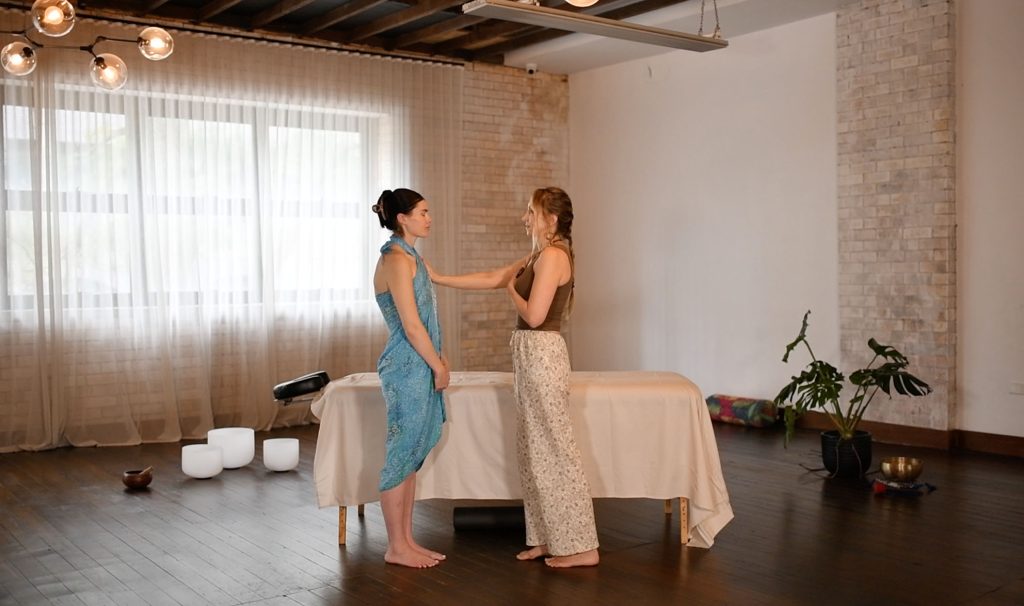
Lomi massage is a Hawaiian healing practice known for its flowing, rhythmic movements that calm body and mind. Aspiring practitioners often begin with a lomi lomi online courses, which provides detailed guidance, practice exercises, and insights into Hawaiian massage traditions. Mastery requires dedication, awareness of body mechanics, and the ability to connect with clients energetically. Understanding the flow of movement, intention behind each stroke, and cultural context lays the foundation for becoming a skilled practitioner. Proper practice ensures sessions are both relaxing and restorative.
Lomi Massage Philosophy
Lomi massage is rooted in the belief that body, mind, and spirit are connected. Each stroke is intentional, designed to release tension while balancing energy flow. Practitioners develop the ability to sense the body’s needs and respond with suitable pressure and rhythm. Emotional intelligence, patience, and empathy are essential to connecting deeply with clients. The practice goes beyond technique, incorporating intention and energy awareness to harmonize physical touch with spiritual well-being. Understanding the philosophy behind Lomi massage enhances the overall experience, fostering genuine relaxation and holistic restoration.
Developing Hand and Arm Techniques
Hand, forearm, and elbow movements form the core of Lomi massage. Smooth transitions between strokes create continuous relaxation for clients. Practitioners must maintain posture, arm strength, and flexibility to avoid strain during long sessions. Learning to vary stroke speed, length, and pressure according to client needs is crucial. Practice and feedback are key to refining these techniques. Mastery of hand and arm movements provides the tactile foundation for energy work. Developing physical skills ensures every session flows seamlessly while protecting the practitioner’s body from fatigue or injury.
Building Connection Through Touch
Touch is the primary language of Lomi massage. Practitioners must sense subtle tension, energy shifts, and stress points to guide each session. Creating a safe, calming environment allows clients to fully relax. Listening with touch, rather than relying solely on conversation, enhances communication. Emotional intelligence, awareness, and empathy are vital to interpreting client needs intuitively. A skilled practitioner adapts movements in response to feedback from the body, ensuring sessions remain restorative. Deepening connection through touch increases trust and enhances the overall therapeutic impact of each massage.
Essential Skills to Perfect Lomi Massage
Key skills to master Lomi massage include:
- Flowing, continuous movements for smooth sessions
- Proper body mechanics to avoid strain
- Adjusting pressure according to client comfort
- Awareness of energy and intention-driven touch
- Observational skills to detect tension
- Mindfulness and presence throughout the session
- Respect and understanding of Hawaiian traditions
Developing these skills ensures clients feel safe, relaxed, and balanced, while practitioners grow professionally and personally.
Rhythm and Breath
Lomi massage relies on rhythmic, dance-like movements. Synchronizing strokes with the practitioner’s and client’s breathing enhances relaxation and energy flow. Proper timing and coordination help maintain a calm, steady rhythm. Deep breathing reduces fatigue and supports smooth transitions between movements. Matching rhythm and breath also strengthens the practitioner’s focus and endurance, ensuring sessions remain fluid and restorative. Over time, awareness of timing and energy allows practitioners to create immersive experiences that soothe both physical tension and emotional stress.
Integrating Mindfulness and Intuition
Mindfulness and intuition are critical for effective Lomi massage. Remaining fully present allows intuition to guide strokes instead of relying on rigid techniques. Mindfulness helps practitioners sense areas of tension, adjust pressure, and personalize each session. Intuitive awareness strengthens the connection with clients and increases massage effectiveness. Regular meditation or mindfulness exercises sharpen these skills. Combining technical ability with intuition ensures Lomi sessions feel natural, flowing, and deeply healing. Practitioners learn to adapt to each client’s needs, making every session unique and impactful.
Maintaining Physical and Mental Well-being
A practitioner’s well-being influences session quality. Maintaining flexibility, strength, and posture prevents strain during long massages. Mental clarity and emotional stability support presence and focus. Hydration, rest, and self-care are essential for sustaining energy and performance. Practitioners who nurture their own health can consistently provide high-quality massages. Physical and mental preparation reduces burnout and ensures clients receive attentive, restorative care. A healthy practitioner sets the stage for sessions that are both energetically balanced and physically comfortable for the client.
Practicing Cultural Awareness
Respecting the cultural roots of Lomi massage enhances authenticity. Understanding Hawaiian traditions, spiritual values, and history ensures practice remains meaningful. Practitioners should study cultural protocols and language to deepen their connection to the practice. This awareness fosters client trust and strengthens the therapeutic experience. Integrating cultural knowledge into daily practice ensures sessions honor the origins of Lomi massage, making the experience richer and more respectful. A practitioner’s cultural sensitivity demonstrates professionalism and reverence for the lineage of this healing art.
Continuing Education and Experience
Mastery requires ongoing learning and practice. Workshops, advanced courses, and mentorship sessions refine skills over time. Every client session provides practical experience that enhances technique and intuition. Staying curious and adaptable allows practitioners to continue improving. Revisiting foundational techniques can uncover subtle nuances and deepen expertise. Lifelong learning ensures practitioners remain effective and confident in their craft. Combining formal education with practical application guarantees high-quality, consistent Lomi massage sessions that evolve with experience and dedication.
Conclusion:
Mastering Lomi massage blends technical skill, mindfulness, and cultural understanding. Essential abilities include fluid hand movements, energy awareness, proper posture, and mindful presence. Emotional intelligence and respect for Hawaiian traditions elevate each session. Consistent practice, self-care, and ongoing learning ensure professional growth and client satisfaction. Commitment to these skills allows practitioners to provide deeply restorative experiences that balance body, mind, and spirit. Dedication transforms practice into a lifelong journey of healing, mastery, and authentic Hawaiian massage delivery.
FAQs
Q1: How long does it take to master Lomi massage?
Skill development varies, but consistent study and practice over months to years builds proficiency.
Q2: Can beginners start Lomi massage training?
Yes. Beginners can begin with online courses and develop skills progressively.
Q3: Is Lomi massage safe for everyone?
Generally yes, but practitioners should adjust techniques for medical conditions or injuries.
Q4: Does mindfulness improve Lomi massage practice?
Mindfulness enhances intuition, energy awareness, and session responsiveness, improving effectiveness.
Q5: How important is Hawaiian cultural knowledge for Lomi practitioners?
Cultural understanding is essential to maintain authenticity, respect traditions, and enrich the client experience.