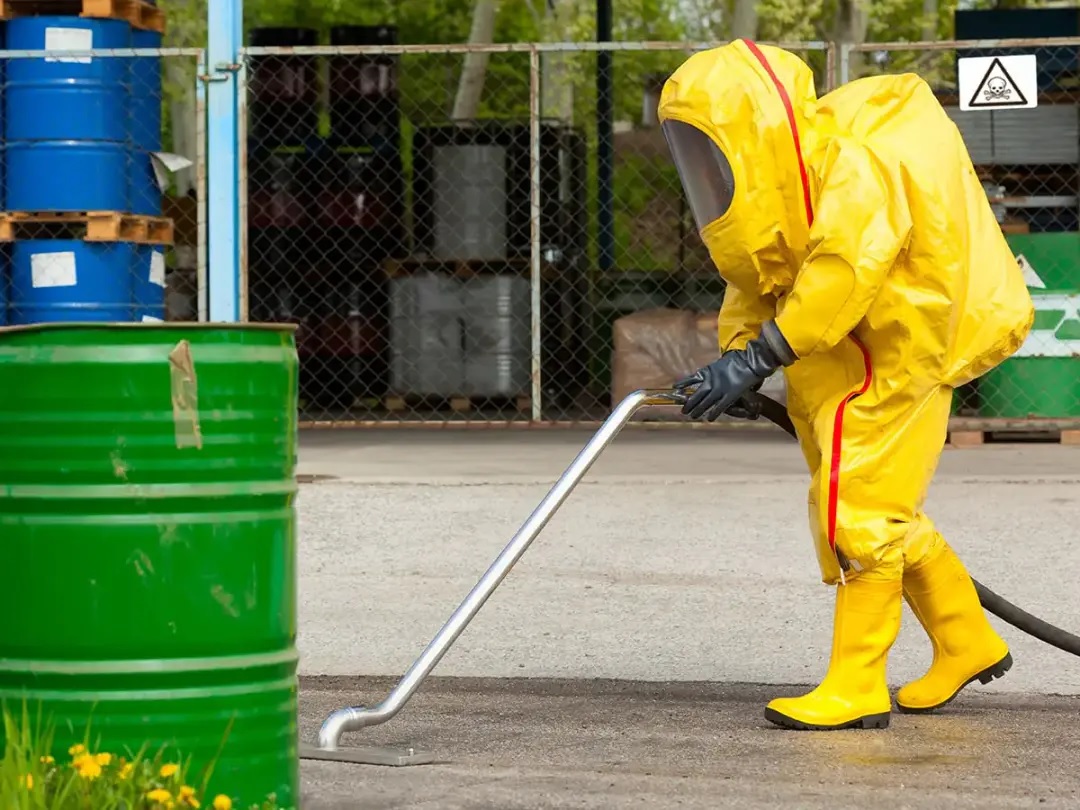
Chemical spills can happen in factories, warehouses, laboratories, transport vehicles, and even commercial buildings. When hazardous materials leak or spread, they create serious risks for people, property, and the environment. Trained experts follow strict safety procedures, use specialized tools, and respond quickly to prevent injuries and contamination.
If you want to understand how professionals manage such emergencies, this guide will explain the step-by-step process in simple terms.
Why Is Professional Chemical Spill Clean Up Important?
A chemical spill is not just a mess on the floor. It can release toxic fumes, cause fires, damage surfaces, and contaminate water systems. Without proper training, people may unknowingly make the situation worse.
Professional teams:
- Identify dangerous substances correctly
- Contain the spread quickly
- Wear proper protective equipment
- Dispose of waste according to regulations
- Restore the affected area safely
When businesses call experts like Ideal Response, they reduce downtime and protect their employees from exposure.
What Happens During the Initial Assessment?
The first and most critical step is evaluation. Professionals never rush into a contaminated area without understanding the hazards.
During assessment, technicians:
- Determine the type of chemical involved
- Measure the size of the spill
- Check ventilation and fire risk
- Identify who or what is in danger
This information helps them create a safe action plan. For example, acids, fuels, and biohazards all require different approaches.
How Do Experts Secure the Area?
After assessment, the team isolates the scene. They prevent people from walking through the spill or breathing harmful vapors.
They may:
- Set up barriers and warning signs
- Shut down HVAC systems
- Evacuate nearby workers
- Eliminate ignition sources
By controlling movement, professionals stop contamination from spreading further into the building.
What Protective Equipment Do Professionals Use?
Safety gear is essential in chemical emergencies. Depending on the risk level, crews may wear:
- Chemical-resistant suits
- Respirators or air-supplied masks
- Protective gloves
- Eye and face shields
- Safety boots
This equipment shields them from burns, inhalation, and skin contact. Without it, even a small spill can become life-threatening.
How Do Teams Contain the Spill Quickly?
Containment prevents liquids from reaching drains, soil, or other rooms. Fast action here can save thousands in damage.
Professionals use tools such as:
- Absorbent pads and socks
- Spill berms
- Neutralizing agents
- Drain covers
For businesses needing chemical spill clean up Mississauga, rapid containment is especially important in busy industrial and transport zones where materials move constantly.
How Is the Hazardous Material Removed?
Once the spill is under control, technicians begin removal. They collect saturated absorbents, pump liquids into approved containers, and neutralize reactive substances.
Every step follows environmental and transportation laws. Improper disposal can lead to heavy fines and long-term harm.
Trained crews label waste clearly and send it to licensed processing facilities.
How Do Professionals Decontaminate the Site?
Even after visible material is gone, invisible residues may remain. Experts clean and sanitize all affected surfaces.
They may:
- Scrub floors with industrial cleaners
- Pressure wash hard areas
- Remove damaged materials
- Test air quality
Complete decontamination ensures workers can safely return.
What Role Do Regulations and Documentation Play?
Chemical response work must meet local and national safety standards. Professionals document everything, including:
- Type of material
- Quantity recovered
- Disposal method
- Names of responders
Proper records protect companies during inspections or insurance claims.
Why Should Businesses Avoid DIY Spill Cleanup?
Some managers feel tempted to handle small incidents internally. However, without training, they may underestimate the danger.
DIY cleanup can lead to:
- Employee injuries
- Legal liability
- Environmental damage
- Production shutdowns
Professional services provide peace of mind and faster recovery.
How Fast Can Emergency Teams Respond?
Speed matters. The longer chemicals sit, the more damage they cause.
Reputable providers keep crews on standby 24/7. When companies call Ideal Response, they receive rapid deployment, modern equipment, and trained technicians who know how to stabilize the situation immediately.
What Makes Chemical Spill Clean Up in Pickering Unique?
Industrial growth and transportation routes increase the risk of accidents in certain regions. Facilities often store fuels, solvents, and manufacturing materials that require expert handling.
For organizations seeking chemical spill clean up Pickering, professional teams understand municipal requirements, disposal rules, and environmental protections specific to the area. This local knowledge helps them act efficiently and remain compliant.
How Do Experts Protect the Environment?
Environmental protection is a top priority. Spills can reach groundwater, rivers, and wildlife habitats.
Professionals prevent this by:
- Blocking storm drains
- Using eco-approved neutralizers
- Monitoring runoff
- Transporting waste safely
Their work minimizes long-term ecological impact.
What Training Do Spill Response Technicians Have?
Certified responders undergo rigorous education in:
- Hazard recognition
- Chemical behavior
- Emergency medicine basics
- Equipment operation
- Government regulations
Continuous training ensures they stay ready for new materials and evolving risks.
How Do Companies Prepare for Future Incidents?
After cleanup, professionals often help businesses improve readiness. They may recommend:
- Updated spill kits
- Staff awareness training
- Improved storage methods
- Emergency planning
Preparation reduces the chance of repeat accidents.
When Should You Call Professionals?
You should contact experts immediately if:
- The substance is unknown
- Vapors are strong
- The spill is spreading
- Anyone feels ill
- The material is flammable or toxic
Quick action can prevent severe consequences.
Final Thoughts
Chemical spills demand expertise, protective equipment, and strict procedures. Professional responders assess hazards, secure the area, contain the material, remove waste, and restore safety. Their knowledge keeps workers protected and ensures legal compliance.
Whether a business operates in a warehouse, lab, or transport hub, calling trained specialists remains the smartest decision. Rapid, organized action saves time, money, and lives.