
In the opening weeks of 2026, the British farm landscape looks much as it always has: mist hanging low over freshly drilled fields in Lincolnshire, the steady thump of a loader shifting straw in the Cotswolds, headlights cutting through early darkness on a hill farm in Powys. Yet the fuel that keeps those machines turning has entered a new era. Agricultural oil suppliers, long valued for reliability and rural reach, are now fielding more calls about Hydrotreated Vegetable Oil than ever before. HVO Fuel Suppliers UK report surging demand as farms respond to three converging forces: the complete phase-out of most red diesel rebates, mandatory emissions reporting under expanding schemes, and direct financial incentives from buyers who pay more for low-carbon provenance. HVO – a second-generation renewable diesel produced from waste oils, fats and certified residues – offers up to 90% net lifecycle CO₂ reduction, flawless compatibility with existing equipment, and performance characteristics that frequently outperform conventional diesel in the challenging British climate.
The Daily Reality: Agricultural Oil Suppliers Navigate

Farming in the UK remains unforgivingly time-sensitive. A narrow three-day window for combining can vanish with one heavy shower; a sudden cold snap can threaten lamb survival if heating fails; a generator that sputters during a power cut risks spoilage in cold stores. Agricultural oil suppliers have countered these pressures for decades with proactive logistics: depots positioned to cover the length of the country, tankers fitted for tight gateways and soft ground, 24–48-hour delivery as the norm, emergency Saturday and Sunday drops during harvest peaks, and smart tank monitoring that flags low levels automatically. They also provide seasonal forecasting tied to Met Office data, bulk storage advice compliant with bunding rules, and invoicing structured around subsidy receipts or milk cheques. This same infrastructure and mindset now underpin the rollout of HVO, allowing farms to adopt a cleaner fuel without ever facing a dry bowser or an interrupted shift.
Inside HVO: How a Waste-Derived Fuel Became Farm-Ready

The production of Hydrotreated Vegetable Oil involves taking sustainable, non-food-chain wastes – predominantly used cooking oils collected from restaurants and food processing, animal fats from rendering, and residues screened to avoid land-use impacts – and subjecting them to catalytic hydrotreatment. Hydrogen strips away oxygen, saturates bonds, and removes impurities, yielding a colourless, odourless, high-purity paraffinic diesel that meets EN 15940 and behaves identically to fossil fuel in every practical respect. No engine software updates, no fuel-line retrofits, no special lubricants, no voided warranties. Virtually every current and recent tractor, harvester, telehandler, sprayer and generator brand has run extensive field trials and issued formal approvals. HVO Fuel Suppliers UK source only from supply chains audited under ISCC-EU, RFAS or RED II-compliant schemes, delivering full batch traceability and verifiable proof that the fuel contributes zero additional deforestation or food-crop displacement.
Why HVO Feels Right in Britain’s Variable Seasons

Few fuels face the daily abuse handed out on UK farms: overnight temperatures plunging to -18 °C on exposed moorland, condensation-heavy tanks in persistent drizzle, prolonged low-load running during fertiliser spreading, heavy draft work in saturated clay soils. HVO is engineered to thrive under these conditions. Its cetane index – commonly 75–85 – ensures rapid, complete ignition even from cold, producing minimal white smoke, markedly quieter idling and smoother torque delivery. The fuel remains fully fluid and filterable down to temperatures well below -30 °C in many formulations, eliminating the winter flow-blockage issues that have frustrated users of FAME biodiesel for years. Combustion generates far lower levels of particulates, NOx and soot, which translates to visibly cleaner exhaust, reduced buildup in diesel particulate filters and EGR coolers, and noticeably longer service intervals for fuel-system components. Operators across the country describe the change as the engine “running sweeter” – a combination of better cold-start reliability, less black residue on dipsticks, and fewer unscheduled trips to the workshop.
Making the Numbers Work: Carbon Savings Meet Commercial Logic
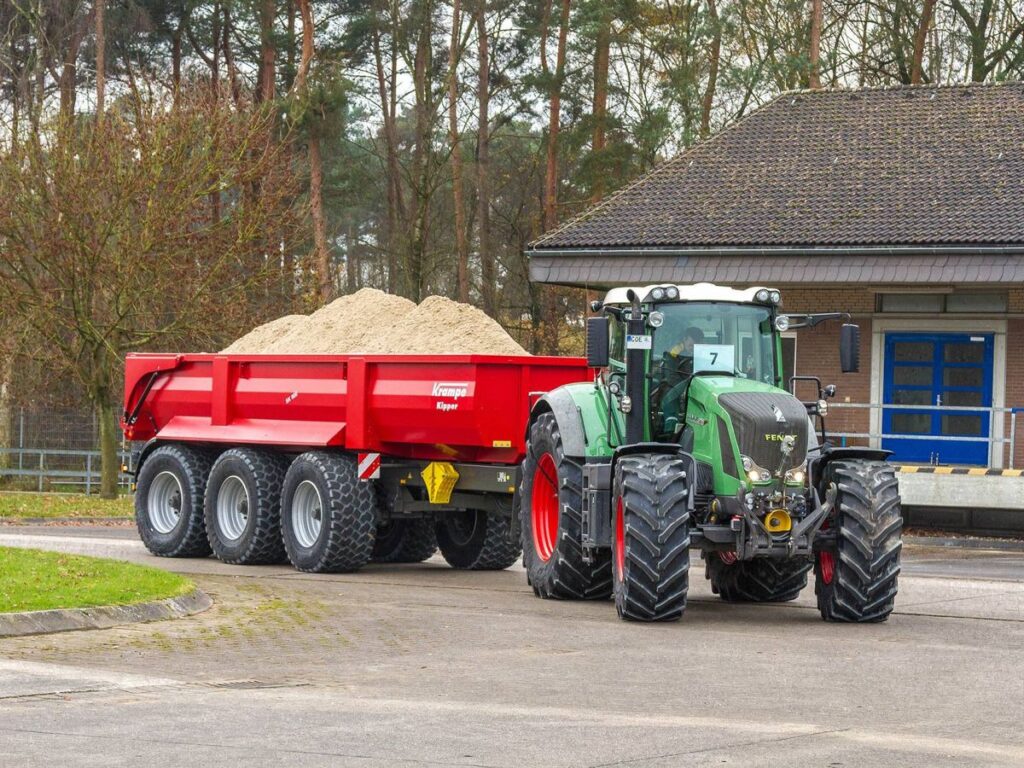
In February 2026, HVO typically trades at a 15–25 pence per litre premium over gas oil, depending on contracted volume and regional supply dynamics. Yet the holistic cost-benefit analysis often favours early adopters. The ultra-clean burn extends the life of injectors, pumps and after-treatment hardware, sometimes cutting annual maintenance spend by 15–30%; the high cetane can deliver small but consistent efficiency uplifts under part-load conditions common in fieldwork; reduced downtime during peak periods preserves revenue that would otherwise be lost. More significantly, the 85–90% net CO₂ reduction provides concrete evidence for Scope 1 reporting, strengthens applications under the Sustainable Farming Incentive and similar schemes, and directly supports premium pricing from retailers and food manufacturers enforcing supplier carbon targets. HVO Fuel Suppliers UK equip farms to capture these upsides with user-friendly carbon calculators, granular lifecycle reports, staged rollout guidance (begin with yard machinery, expand fleet-wide), fixed-price forward contracts to mitigate oil-market swings, and comprehensive documentation packs for audits, grants and certification bodies.
The Front-Runners: HVO Fuel Suppliers UK Farmers Rely On
A well-established network of HVO Fuel Suppliers UK serves agriculture with a specialised focus and broad coverage. Crown Oil is frequently praised for rigorous traceability and knowledgeable support during the initial switch; Speedy Fuels and Beesley Fuels for urgent harvest-period response times; Compass Fuels for attentive, farmer-oriented account handling and competitive bulk pricing; Certas Energy for its extensive depot footprint that reaches even isolated northern and western locations; Moorland Fuels for practical, no-nonsense advice rooted in long agricultural experience; Watson Fuels, Rix Petroleum, Nationwide Fuels and BWOC for adaptable order sizes, complimentary site compatibility surveys and dependable out-of-hours supply. These companies commonly include free tank assessments, carbon-emission reporting tools, 24–48-hour standard delivery commitments, and account managers who intuitively grasp the urgency of a drilling deadline or a sudden cold front.
The Bigger View: Farming That Lasts
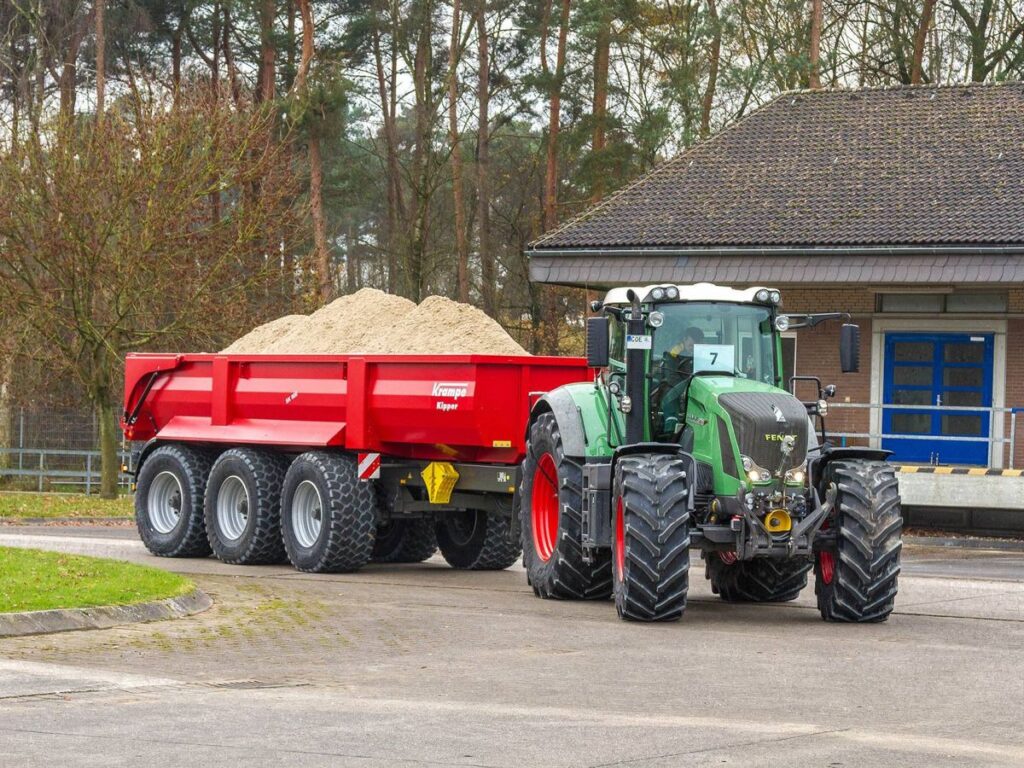
For many UK farms in early 2026, adopting HVO is no longer a question of environmental virtue – it is a matter of commercial foresight. The fuel delivers immediate, substantial emissions reductions without capital investment or productivity penalties; it keeps machinery running cleaner and longer; it positions holdings favourably in markets that increasingly reward responsible production; and it aligns perfectly with the direction of national policy and global supply-chain expectations. As domestic HVO refining capacity continues to grow, feedstock options broaden, and price competitiveness improves, the renewable diesel is transitioning from a progressive choice to a baseline expectation. For the farmer who steps outside on a raw February morning, hears the engine catch instantly on the first turn, watches clear exhaust rise into the cold air, and knows the tank now holds fuel that safeguards both this year’s margins and the land’s future health, the decision feels less like compromise and more like clarity.