
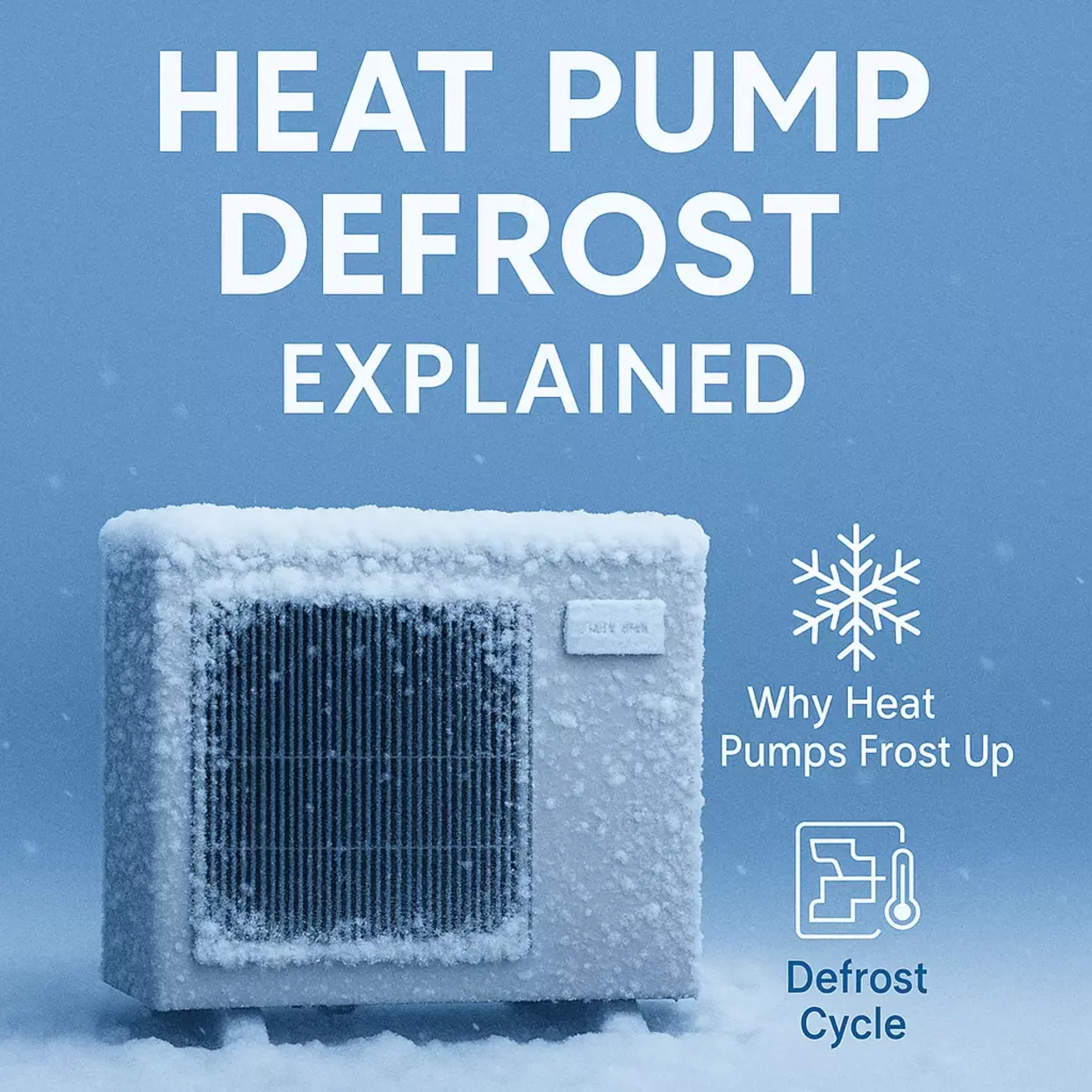
Heat pumps are known for their energy efficiency and ability to provide both heating and cooling. However, during cold weather, many homeowners notice a sudden change in operation—steam rising from the outdoor unit, a temporary switch to cool air indoors, or unfamiliar sounds. These signs often point to defrost mode, a normal but frequently misunderstood function of heat pump systems.
Understanding what defrost mode is, how it works, and when it becomes a cause for concern can help homeowners and HVAC professionals maintain system performance and avoid costly repairs.
What Is Defrost Mode in a Heat Pump?
Defrost mode is a protective operating cycle designed to remove frost or ice buildup from the outdoor coil of a heat pump during heating operation. When outdoor temperatures drop—especially in cold and humid conditions—moisture in the air can freeze on the outdoor coil. This frost restricts airflow and reduces heat transfer efficiency.
To prevent damage and maintain performance, the heat pump periodically enters defrost mode to melt the accumulated ice.
Why Frost Forms on Heat Pumps
During heating mode, a heat pump extracts heat from the outdoor air. As air passes over the cold outdoor coil, moisture can condense and freeze. Frost buildup is most common when:
- Outdoor temperatures are between 30°F and 45°F (−1°C to 7°C)
- Humidity levels are high
- The system runs for extended periods
A light layer of frost is normal, but excessive ice must be removed for the system to operate efficiently.
How Defrost Mode Works
When sensors detect ice buildup or abnormal temperature differences, the heat pump automatically initiates defrost mode. Here’s what happens during the process:
System Reverses Operation
The heat pump temporarily switches from heating mode to cooling mode. This sends hot refrigerant to the outdoor coil, warming it enough to melt the frost.
Outdoor Fan Stops
The outdoor fan usually shuts off to allow heat to concentrate on melting the ice more quickly.
Supplemental Heat Activates Indoors
To prevent cold air from blowing inside the home, electric resistance heaters or auxiliary heat sources may turn on.
Defrost Cycle Ends
Once sensors confirm the ice has melted, the system returns to normal heating operation.
The entire process typically lasts 2 to 10 minutes, depending on conditions.
Is Defrost Mode Normal?
Yes—defrost mode is a normal and essential function of heat pumps operating in cold climates. Seeing steam rise from the outdoor unit or hearing a brief whooshing sound can be alarming, but these are common signs of a system working as designed.
Modern heat pumps use either:
- Time-temperature defrost controls, or
- Demand defrost systems, which activate only when needed for better efficiency
- Common Signs Your Heat Pump Is in Defrost Mode
- Normal defrost mode may include:
- Steam or vapor coming from the outdoor unit
- Temporary cool air indoors
- Outdoor fan not running briefly
- Clicking or reversing valve sounds
These signs should disappear once the defrost cycle ends.
Warning Signs of Defrost Mode Problems
While defrost mode itself is normal, certain symptoms may indicate a malfunction or maintenance issue. Watch for the following warning signs:
Excessive or Constant Defrost Cycling
If the heat pump enters defrost mode too frequently or stays in defrost for long periods, it may indicate faulty sensors, control board issues, or low refrigerant levels.
Thick Ice That Never Melts
Heavy ice buildup that does not clear after a defrost cycle suggests airflow problems, a failing reversing valve, or a malfunctioning defrost control.
Cold Air Blowing for Extended Periods
Short bursts of cool air are normal, but prolonged cold airflow may signal auxiliary heat failure or system misconfiguration.
High Energy Bills
Frequent defrost cycles and reliance on supplemental electric heat can significantly increase energy consumption.
Unusual Noises or Error Codes
Grinding, loud banging, or recurring system error codes should never be ignored and warrant professional inspection.
- Causes of Defrost Mode Issues
- Common causes include:
- Dirty or blocked outdoor coils
- Faulty temperature or defrost sensors
- Low refrigerant charge
- Electrical or control board failures
- Improper system installation
Regular maintenance can prevent most of these problems.
How to Reduce Defrost Problems
To minimize defrost-related issues:
- Keep the outdoor unit free of snow, leaves, and debris
- Schedule annual professional HVAC maintenance
- Ensure proper airflow around the unit
- Address unusual performance issues early
- Proper care helps the system defrost efficiently without excessive energy use.
When to Call an HVAC Professional
You should contact a qualified HVAC technician if:
- Ice remains after defrost cycles
- The system struggles to maintain indoor comfort
- Defrost mode runs excessively
- You notice abnormal sounds or error messages
Early intervention can prevent compressor damage and extend the life of the heat pump.
Conclusion
Defrost mode is a critical function that allows heat pumps to operate effectively in cold weather by preventing ice buildup on the outdoor coil. While the process may look concerning, it is usually a sign that the system is working properly. However, understanding the warning signs of defrost mode problems can help homeowners identify issues before they lead to reduced efficiency or system failure.
With proper maintenance and timely professional support, defrost mode helps ensure reliable, efficient heating all winter long.
Article about” What Is Defrost Mode in a Heat Pump? How It Works and Warning Signs ” publish by: penyedia ac 1/2 pk – acjakarta.com
