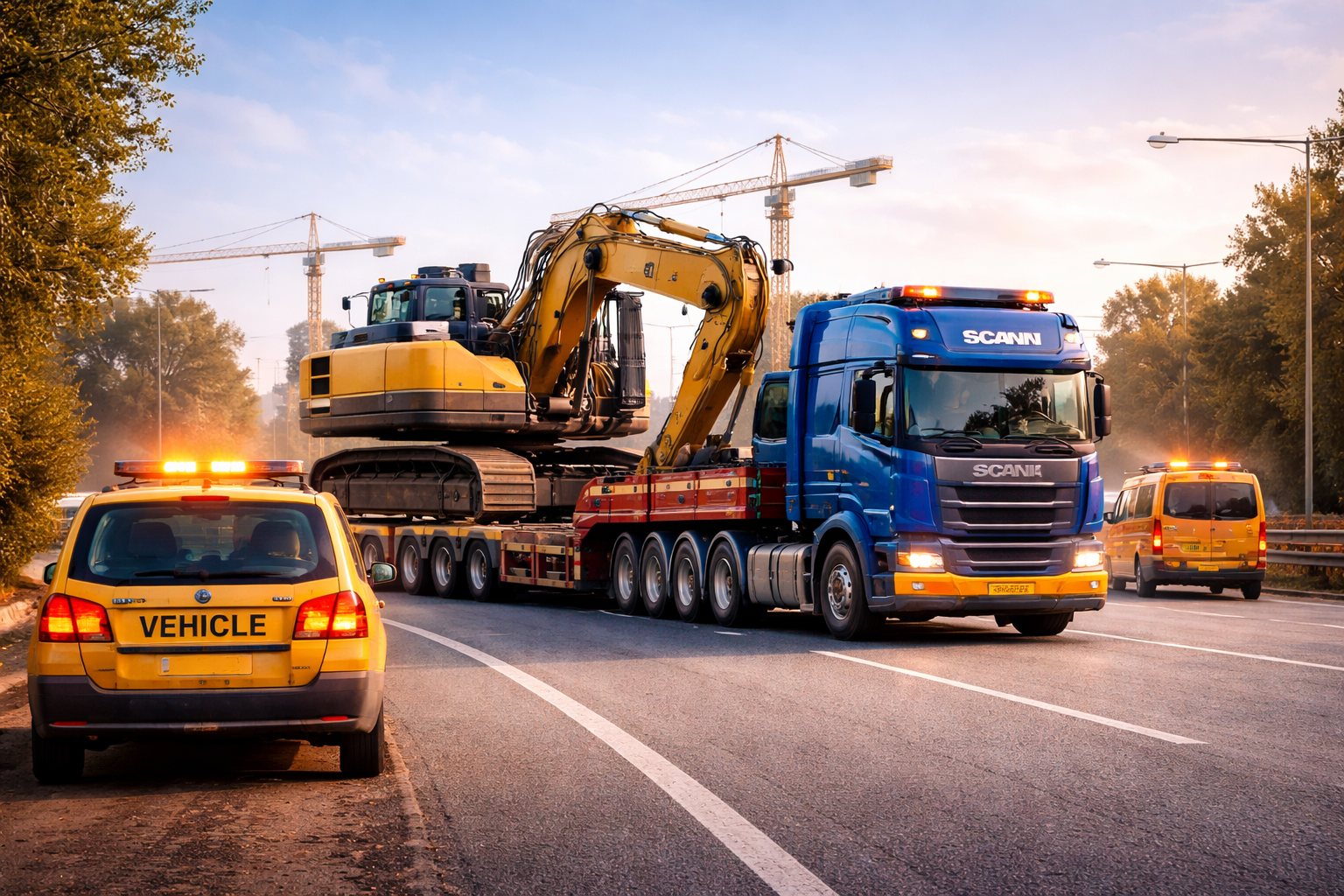
Heavy haulage is one of the most specialised sectors within the UK logistics and transport industry. While standard freight moves goods from point A to point B, heavy haulage handles the extraordinary — oversized machinery, abnormal loads, and critical infrastructure components that keep the country building, manufacturing, and expanding.
After two decades of working closely with logistics-focused content and industry professionals, one thing is clear: understanding how heavy haulage actually works can help businesses make smarter decisions, avoid costly delays, and ensure safer project execution. This guide breaks down the process step by step, offering a clear and practical look at how heavy haulage operates across the UK.
What Is Heavy Haulage in the UK Context?
Heavy haulage refers to the transport of loads that exceed standard road transport limits. In the UK, this usually includes cargo that is:
- Wider than normal vehicles
- Longer than standard trailers
- Heavier than permitted axle limits
- Taller than bridge clearance levels
These loads cannot be moved using conventional lorries. Instead, they require specialist vehicles, engineering assessments, route planning, and regulatory coordination.
Common heavy haulage cargo includes:
- Construction equipment
- Precast concrete sections
- Steel beams and frames
- Power generation equipment
- Agricultural machinery
- Modular building units
Step One: Load Assessment and Technical Planning
Every heavy haulage operation begins long before the vehicle reaches the road.
Detailed Load Measurement
Transport planners carefully analyse the weight, height, width, and centre of gravity of the cargo. Even small miscalculations can impact safety and compliance.
Equipment Selection
Based on the load profile, the appropriate trailer is selected. This may include:
- Low loaders for tall machinery
- Extendable trailers for long beams
- Modular hydraulic trailers for extremely heavy loads
- Step-frame trailers for awkward dimensions
Matching the correct equipment to the cargo ensures stability and legal compliance throughout the journey.
Step Two: Route Surveys and Feasibility Checks
The UK road network includes historic bridges, narrow country roads, urban restrictions, and low-clearance structures. Because of this, route planning is one of the most critical stages in heavy haulage.
Physical Route Surveys
Professional teams often conduct physical inspections of planned routes. They assess:
- Bridge weight limits
- Road widths and turning angles
- Roundabouts and junction layouts
- Overhead cables and signage
- Temporary roadworks
Digital Mapping and Modelling
Advanced logistics software helps simulate routes, allowing planners to test vehicle movements and anticipate potential obstacles before transport begins.
This step prevents last-minute surprises that could cause costly delays.
Step Three: Legal Permissions and Regulatory Coordination
Heavy haulage in the UK is highly regulated to ensure public safety and infrastructure protection.
Movement Notifications
Depending on the size and weight of the load, transport operators must notify:
- Local councils
- Highway authorities
- Police departments (for extreme loads)
Permit Management
Certain abnormal loads require special movement permits. These permissions specify:
- Approved travel times
- Escort requirements
- Approved routes
- Speed limitations
Experienced heavy haulage companies manage this entire process on behalf of clients, removing administrative burdens.
Step Four: Vehicle Preparation and Load Securing
Once planning and approvals are complete, the physical preparation begins.
Vehicle Inspection
Specialist haulage vehicles undergo mechanical checks before every job. Brakes, suspension systems, hydraulics, and tyre pressure are all verified.
Load Positioning
Correct positioning on the trailer is critical. Engineers calculate load distribution to prevent safe axle weight balance issues and ensure stable driving performance.
Professional Load Securing
Chains, straps, and locking systems are used to secure cargo according to industry safety standards. This prevents movement during braking, cornering, or uneven road surfaces.
Step Five: Escort Vehicles and Traffic Coordination
Many heavy haulage journeys involve escort vehicles, also known as pilot cars.
Why Escorts Are Used
Escort vehicles help manage:
- Traffic flow around oversized loads
- Public safety
- Tight turns and narrow roads
- Temporary road stops when required
They also communicate with the driver in real time to guide manoeuvres and provide advance warning of obstacles.
In urban areas or complex industrial zones, escorts play a vital role in ensuring smooth and controlled movement.
Step Six: Strategic Transport Scheduling
Timing is everything in heavy haulage operations.
Off-Peak Travel Windows
Most oversized loads travel during early mornings, evenings, or overnight hours. This reduces traffic disruption and improves journey efficiency.
Weather Monitoring
Strong winds, heavy rain, or icy conditions can impact safety. Transport teams monitor weather forecasts and adjust schedules when needed.
Live Tracking and Communication
Modern heavy haulage operations use GPS tracking systems that allow real-time monitoring and communication between drivers, coordinators, and site teams.
Step Seven: On-Site Delivery and Offloading
The final stage is just as important as the journey itself.
Site Access Management
Before arrival, site managers prepare unloading zones, ensure ground stability, and clear access routes.
Specialist Unloading Equipment
Cranes, forklifts, or hydraulic trailer systems are used to unload safely. In some cases, self-unloading trailers reduce the need for additional machinery.
Final Safety Checks
Once the load is positioned, final inspections confirm that equipment or materials are correctly placed and ready for installation or use.
Why Heavy Haulage Expertise Matters in the UK
The complexity of UK infrastructure means that heavy haulage requires more than just strong vehicles. It demands experience, engineering knowledge, and strategic coordination.
Reducing Project Delays
Professional planning prevents roadblocks, permit issues, and site access problems that can stall construction and industrial projects.
Improving Cost Efficiency
While specialist haulage may appear costly, it reduces the risk of damage, regulatory fines, and unexpected downtime — all of which can far exceed transport costs.
Protecting Public Safety
Trained drivers, escorts, and safety procedures ensure that oversized loads move through public roads without endangering pedestrians, motorists, or infrastructure.
The Role of Technology in Modern Heavy Haulage
Heavy haulage in the UK has evolved significantly over the last decade.
Smart Route Optimisation
AI-powered planning tools help identify the safest and fastest routes while accounting for restrictions and traffic patterns.
Telematics and Fleet Monitoring
Vehicle data allows operators to track performance, fuel usage, braking behaviour, and maintenance needs in real time.
Digital Compliance Management
Permits, notifications, and documentation are now handled digitally, improving accuracy and reducing processing times.
The Future of Heavy Haulage in the UK
As the UK continues to invest in renewable energy, modular construction, and smart infrastructure, the demand for heavy haulage services is expected to grow.
Larger prefabricated components, offshore wind equipment, and advanced industrial machinery will require even more specialised transport solutions.
Forward-thinking logistics providers are already investing in:
- Low-emission vehicle fleets
- Advanced trailer technologies
- Sustainable route planning
- Enhanced safety systems
These developments will shape the next generation of heavy haulage operations.
Final Thoughts
Heavy haulage is not simply about moving large loads — it is about precision, planning, safety, and collaboration. From the initial assessment to final delivery, every step is carefully engineered to meet the unique challenges of UK roads and regulations.
For construction firms, manufacturers, and project managers, understanding how heavy haulage works allows for better scheduling, budgeting, and risk management. When handled professionally, heavy haulage becomes a powerful enabler of growth, infrastructure development, and industrial progress.