United States Dry Type Transformer Market Outlook
According to recent industry insights, the United States dry type transformer market has emerged as a critical component of the country’s electrical infrastructure. The United States dry type transformer market size reached a valuation of approximately USD 2.45 Billion in 2025 and is projected to expand at a CAGR of 7.30% between 2026 and 2035, reaching an estimated value of USD 4.96 Billion by 2035. This growth is primarily driven by increasing urbanisation, the expansion of commercial and industrial facilities, rising investments in renewable energy integration, and the ongoing modernisation of power distribution networks.
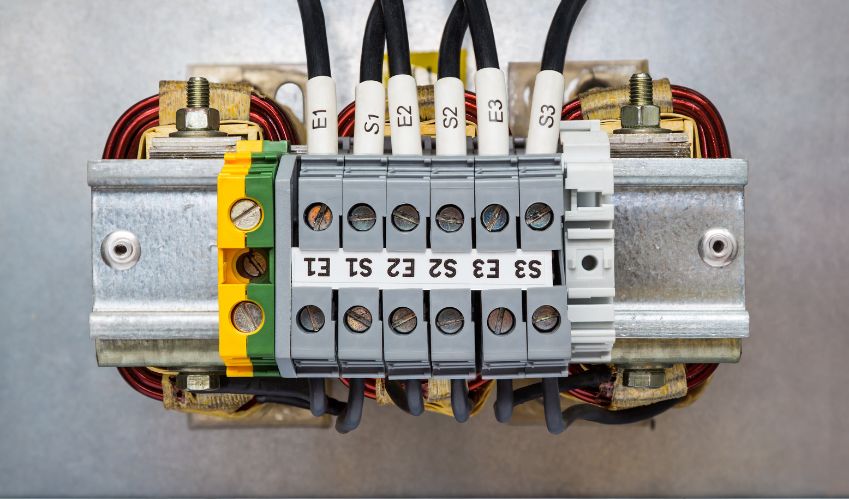
Dry type transformers, which operate without liquid insulation, are widely preferred in indoor and environmentally sensitive applications due to their safety, low maintenance requirements, and reduced risk of fire hazards. These transformers are essential in industrial plants, commercial buildings, hospitals, data centres, and renewable energy installations, where reliability, safety, and operational efficiency are critical. Their adoption has been further supported by government regulations and standards focusing on environmentally friendly and fire-safe electrical equipment.
United States Dry Type Transformer Market Size
The United States dry type transformer market has shown steady growth over the past decade, reflecting the country’s ongoing investments in upgrading its aging electrical infrastructure. With the increasing deployment of smart grids, microgrids, and distributed energy resources (DERs), the demand for reliable and low-maintenance transformers has surged.
Market size growth is also influenced by the adoption of dry type transformers in industrial sectors, particularly manufacturing, oil and gas, and chemicals, where high-power distribution and operational safety are crucial. Furthermore, expansion in commercial and residential construction, including high-rise buildings, hospitals, and educational facilities, continues to drive demand for indoor dry type transformer installations.
Request a Free Sample Report with Table of Contents – https://www.expertmarketresearch.com/reports/united-states-dry-type-transformer-market/requestsample
United States Dry Type Transformer Market Share
In terms of product segmentation, cast resin dry type transformers hold a significant share of the market due to their superior thermal performance, low maintenance requirements, and high fire resistance. Vacuum-pressure impregnated (VPI) dry type transformers also capture a considerable share, offering enhanced reliability and long-term operational performance in critical applications.
From an application standpoint, commercial and industrial sectors dominate the market. Commercial buildings, data centres, hospitals, and educational institutions increasingly deploy dry type transformers for indoor power distribution. The industrial segment, which includes oil and gas, manufacturing, and chemical plants, is another key contributor to market share, as dry type transformers provide safe, reliable power in environments where oil-filled transformers may pose risks.
United States Dry Type Transformer Market Trends
A prominent trend in the United States dry type transformer market is the increased adoption of energy-efficient and environmentally friendly transformers. Manufacturers are focusing on reducing energy losses and meeting stringent efficiency standards, such as those set by the Department of Energy (DOE).
Another significant trend is the integration of dry type transformers with renewable energy systems, including solar PV and wind farms. As distributed energy resources expand, dry type transformers are increasingly used for medium and low-voltage distribution due to their reliability, safety, and low maintenance requirements.
The market is also witnessing advancements in transformer materials and design, including high-temperature insulation systems, improved cooling techniques, and compact designs suitable for space-constrained installations. Digital monitoring and smart transformer technologies are emerging trends, enabling predictive maintenance, remote monitoring, and real-time performance tracking.
Drivers of Growth
Several key factors are driving the growth of the United States dry type transformer market:
- Urbanisation and Infrastructure Development: Expanding commercial and industrial infrastructure necessitates reliable power distribution systems, boosting demand for dry type transformers.
- Renewable Energy Integration: Increasing deployment of solar and wind energy systems requires transformers capable of operating efficiently in distributed and grid-connected setups.
- Safety and Regulatory Compliance: Stringent fire safety and environmental regulations promote the adoption of dry type transformers in indoor and environmentally sensitive applications.
- Energy Efficiency Initiatives: National focus on reducing energy losses and adopting energy-efficient technologies in electrical distribution systems is driving the replacement of older transformers with high-performance dry type models.
- Rising Maintenance and Reliability Needs: Dry type transformers’ low maintenance and long operational lifespan make them an attractive choice for commercial and industrial facilities aiming to minimise downtime and operational costs.
Technology and Advancement
Technological advancements are a key factor shaping the United States dry type transformer market. Cast resin and VPI technologies continue to evolve, offering higher thermal performance, enhanced dielectric strength, and improved resistance to short circuits.
The incorporation of high-temperature insulation systems allows transformers to operate safely under extreme conditions, increasing operational flexibility and lifespan. Advanced cooling techniques, such as natural and forced air cooling, optimise performance while maintaining compact designs suitable for indoor installations.
Digitalisation and smart transformer technologies are also being integrated into dry type transformer systems. These innovations enable real-time monitoring of temperature, voltage, and load conditions, allowing predictive maintenance, fault detection, and remote control. As the demand for smart grids and intelligent electrical networks rises, such technologies are expected to significantly enhance transformer performance and operational efficiency.
United States Dry Type Transformer Market Segmentation
The market can be divided based on service, temperature, and end use.
Market Breakup by Type
- Power Transformer
- Distribution Transformer
Market Breakup by Phase
- Single-Phase
- Three-Phase
Market Breakup by Voltage
- Low
- Medium
- High
Market Breakup by Region
- New England
- Mideast
- Great Lakes
- Plains
- Southeast
- Southwest
- Rocky Mountain
- Far West
Competitive Landscape
Some of the major players explored in the report by Expert Market Research are as follows:
- ABB Ltd.
- Schneider Electric SE
- Siemens AG
- HD Hyundai Electric Co., Ltd.
- Eaton Corporation Plc
- Emerson Electric Co.
- Kirloskar Electric Co., Ltd.
- Hammond Power Solutions Inc.
- JST Power Equipment, Inc.
- MGM Transformer Company
- Others
Industry Analysis
The United States dry type transformer market is highly competitive, with participation from major global manufacturers, regional producers, and specialised transformer suppliers. Competitive dynamics are shaped by product quality, technological innovation, compliance with industry standards, and after-sales service.
Strategic partnerships and collaborations between transformer manufacturers, electrical contractors, and industrial consumers are becoming increasingly common. These alliances help ensure timely project delivery, reduce operational risk, and enhance customer satisfaction.
The industry is also influenced by global trends in raw material availability, particularly high-grade electrical steel, epoxy resins, and copper conductors. Fluctuations in raw material prices can impact production costs and pricing strategies. However, ongoing technological innovation, local production capabilities, and supply chain optimisation are helping manufacturers maintain competitive advantages.
Challenges and Opportunities
Despite its growth potential, the United States dry type transformer market faces several challenges:
- High Capital Investment: Advanced dry type transformers, especially cast resin and VPI models, require higher initial investment compared to traditional oil-filled transformers.
- Technological Complexity: Implementing advanced digital monitoring and smart features can be challenging and may require specialised technical expertise.
- Supply Chain Dependencies: Dependence on imported raw materials and components can expose manufacturers to price volatility and supply disruptions.
However, these challenges also present opportunities:
- Energy-Efficient Solutions: Growing demand for high-efficiency transformers opens avenues for innovative product offerings and technological differentiation.
- Smart Grid Integration: Opportunities exist to integrate dry type transformers with smart grid systems, microgrids, and renewable energy installations.
- Replacement and Retrofit Projects: Aging electrical infrastructure in industrial and commercial facilities creates opportunities for the replacement and retrofitting of legacy transformers with advanced dry type models.
United States Dry Type Transformer Market Forecast
Looking ahead, the United States dry type transformer market is projected to grow at a CAGR of 7.30% between 2026 and 2035, reaching an estimated value of USD 4.96 Billion by 2035. Growth will be primarily driven by urbanisation, renewable energy integration, energy efficiency initiatives, and rising demand for safe, low-maintenance electrical distribution solutions.
As manufacturers continue to innovate with energy-efficient designs, digital monitoring systems, and high-performance materials, dry type transformers are expected to play an increasingly critical role in supporting the country’s evolving electrical infrastructure. The market is well-positioned to capitalise on ongoing infrastructure investments, technological advancements, and sustainability initiatives, ensuring robust growth and long-term industry stability.