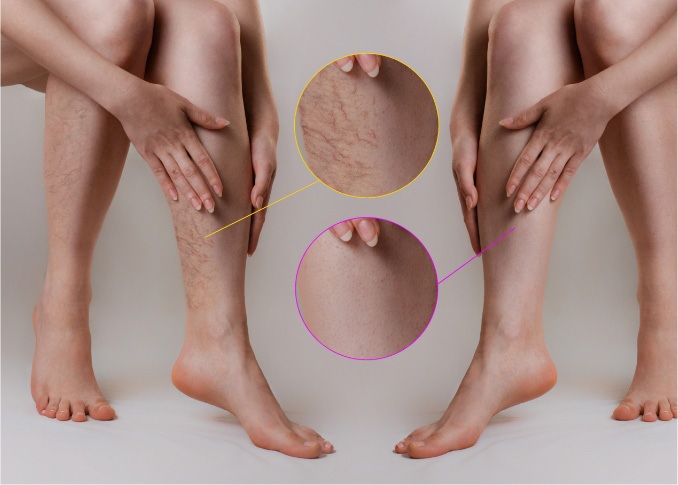
Varicose and spider veins are common conditions affecting millions of people worldwide. They often appear as twisted, enlarged veins, primarily in the legs, and can cause discomfort, pain, and cosmetic concerns. Understanding the causes, risk factors, and treatments is crucial for anyone looking for lasting relief. If you are searching for “vein treatment near me”, this guide will help you navigate your options and provide answers to important questions, including “Do spider veins come back after laser treatment?”
What Causes Varicose Veins?
Varicose veins develop when the valves in your veins weaken or become damaged. These valves are responsible for preventing blood from flowing backward as it moves toward the heart. When they fail, blood pools in the veins, causing them to enlarge and twist.
Several factors increase the risk of developing varicose veins:
- Genetics: If your parents had varicose veins, your chances of developing them are higher.
- Age: Veins naturally lose elasticity over time, increasing the likelihood of varicose veins.
- Gender: Women are more prone to varicose veins due to hormonal changes during pregnancy, menstruation, and menopause.
- Pregnancy: Increased blood volume and pressure on the veins in the legs can trigger varicose veins.
- Obesity: Excess weight puts additional pressure on leg veins.
- Lifestyle: Prolonged standing or sitting can slow blood flow, contributing to vein problems.
Varicose veins are more than a cosmetic issue. They can lead to swelling, pain, and in severe cases, skin ulcers or blood clots. Early intervention can prevent complications and improve overall vein health.
What Causes Spider Veins?
Spider veins, also called telangiectasias, are smaller, red, blue, or purple veins visible near the skin’s surface. Unlike varicose veins, they rarely cause discomfort but can be a cosmetic concern.
The causes of spider veins often overlap with varicose veins and include:
- Genetics: Family history plays a significant role in spider vein development.
- Hormonal Changes: Pregnancy, puberty, and menopause can trigger the formation of spider veins.
- Sun Exposure: Ultraviolet rays can weaken capillary walls, especially on the face.
- Injury: Trauma to the skin can damage veins, leading to spider veins.
- Obesity and Sedentary Lifestyle: Both conditions increase pressure on veins, making them more visible.
Although spider veins are generally harmless, they can indicate underlying vein issues. Consulting a specialist ensures proper treatment and prevents potential progression to varicose veins.
How Are Varicose and Spider Veins Diagnosed?
Vein specialists use a combination of physical examination and imaging techniques to diagnose vein problems.
- Physical Examination: A doctor will inspect your legs for visible veins, swelling, and skin changes.
- Duplex Ultrasound: This imaging technique uses sound waves to evaluate blood flow and detect valve dysfunction in veins.
- Venography: In rare cases, contrast dye is injected to visualize deep vein problems.
If you are searching for “vein treatment near me,” ensure the clinic offers comprehensive diagnostics. Early diagnosis allows for targeted treatments that reduce the risk of recurrence.
What Are the Treatment Options for Varicose Veins?
Treatment for varicose veins depends on severity, symptoms, and cosmetic concerns. Common approaches include:
- Lifestyle Changes
- Exercise: Regular movement, like walking or swimming, promotes healthy blood flow.
- Weight Management: Maintaining a healthy weight reduces pressure on leg veins.
- Leg Elevation: Raising your legs above heart level improves circulation.
- Compression Stockings: These specialized stockings support veins and prevent blood pooling.
Lifestyle changes are often the first step, especially for mild cases.
- Minimally Invasive Procedures
Modern vein treatments have become less invasive, more effective, and offer faster recovery.
- Endovenous Laser Treatment (EVLT): A laser fiber is inserted into the vein, sealing it shut.
- Radiofrequency Ablation (RFA): Heat energy is used to close off the affected vein.
- Sclerotherapy: A solution is injected into the vein, causing it to collapse and fade.
These procedures are performed on an outpatient basis and have high success rates.
- Surgical Options
For severe varicose veins that do not respond to conservative treatments, surgical options may be recommended:
- Vein Stripping: Removal of the affected vein through small incisions.
- Ambulatory Phlebectomy: Tiny punctures are made to remove superficial veins.
Vein specialists tailor treatment plans based on the patient’s condition, ensuring minimal downtime and optimal results.
How Are Spider Veins Treated?
Spider veins are commonly treated for cosmetic purposes, although some patients experience discomfort.
- Sclerotherapy: This is the most common treatment. A solution is injected into the spider vein, causing it to collapse.
- Laser Treatment: Focused laser energy targets small veins, making them gradually disappear.
Many patients ask, “Do spider veins come back after laser treatment?” While laser treatment is highly effective, new spider veins may develop over time due to genetics, hormonal changes, or lifestyle factors. Maintaining healthy circulation and attending periodic check-ups with a vein specialist can minimize recurrence.
When Should You See a Vein Specialist?
If you notice bulging veins, leg swelling, pain, or skin changes, it’s essential to consult a specialist. Early intervention prevents complications and improves cosmetic results.
Searching for “vein treatment near me” ensures you find a qualified clinic nearby. Clinics like Vein Treatment Long Island provide personalized care, advanced diagnostics, and tailored treatment plans to address both varicose and spider veins.
What Makes Vein Treatment Long Island Stand Out?
Vein Treatment Long Island focuses on patient-centered care, combining the latest technology with experienced medical professionals. They provide:
- Comprehensive evaluations to determine the root cause of vein problems.
- Advanced minimally invasive treatments like EVLT, RFA, sclerotherapy, and laser therapy.
- Customized treatment plans to meet individual needs.
- Follow-up care to monitor results and prevent recurrence.
With a high success rate and a focus on long-term vein health, Vein Treatment Long Island is a trusted choice for those seeking “vein treatment near me.”
How Can You Prevent Varicose and Spider Veins?
While not all vein issues are preventable, some lifestyle habits reduce the risk:
- Exercise Regularly: Strengthens leg muscles and improves circulation.
- Avoid Prolonged Sitting or Standing: Take breaks to move around if your job requires long periods of inactivity.
- Maintain a Healthy Weight: Reduces pressure on veins and supports cardiovascular health.
- Wear Compression Stockings: Particularly useful for those with a family history of vein problems.
- Elevate Legs: Helps blood return to the heart more efficiently.
These preventive measures, combined with timely treatment, ensure healthy veins for life.
Conclusion
Varicose and spider veins are common but manageable conditions. Understanding their causes, risks, and treatment options is key to achieving lasting relief. Modern techniques like sclerotherapy, laser treatments, and minimally invasive procedures provide excellent results, although ongoing care may be needed to prevent recurrence.
If you are concerned about vein health or searching for “vein treatment near me”, clinics like Vein Treatment Long Island offer advanced care and personalized treatment plans. Remember, early intervention leads to better outcomes, improved comfort, and long-term vein health.