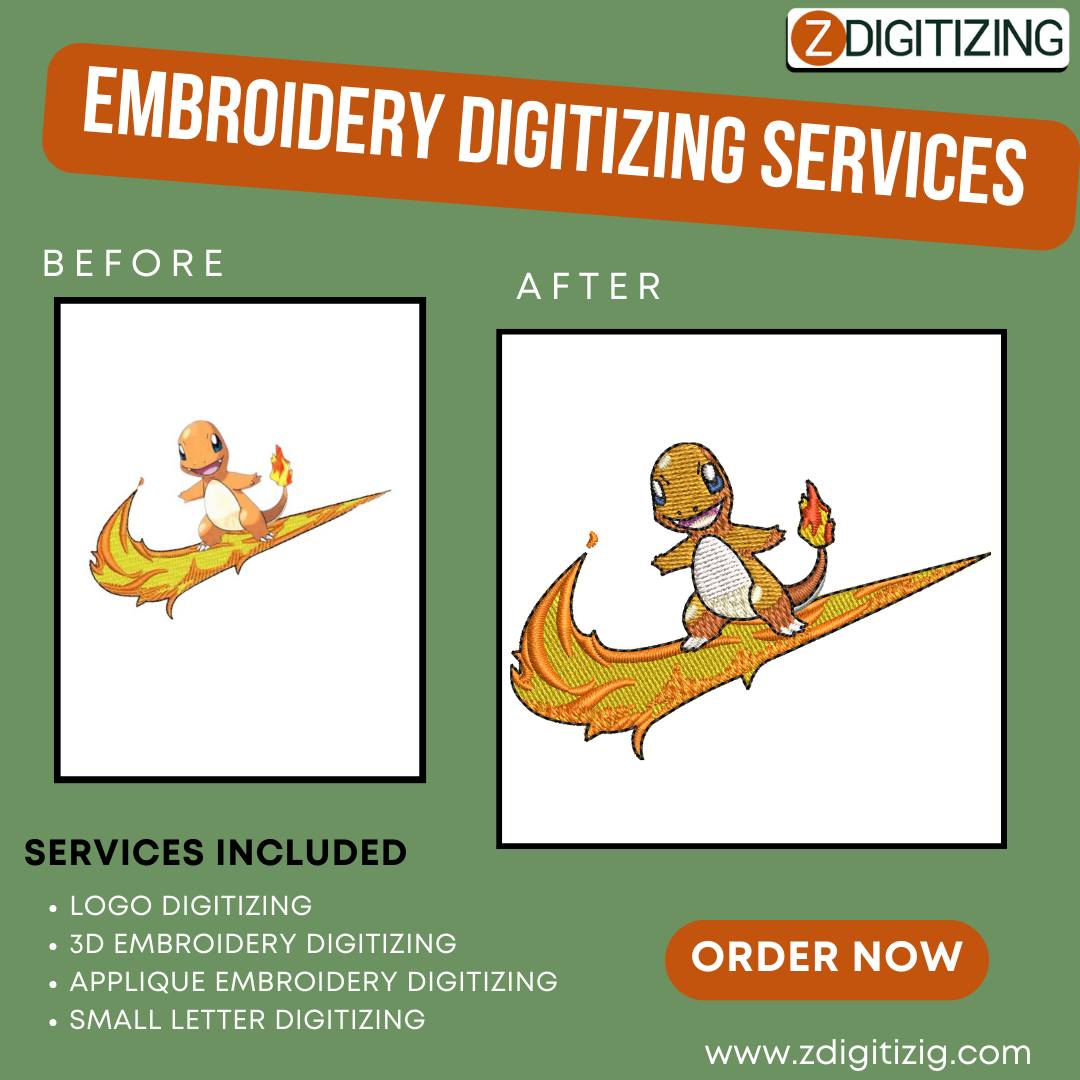
In the apparel decoration and branding industry, embroidery continues to be a preferred choice for long-lasting and professional-looking designs. While the finished embroidery often receives the most attention, the quality of the final result depends heavily on embroidery digitizing. Professional embroidery digitizing service converts artwork into machine-readable stitch files, ensuring accuracy, consistency, and smooth production across different embroidery setups.
For applications such as corporate branding, uniforms, promotional items, and custom apparel, professional digitizing ensures that designs are stitched exactly as intended, regardless of fabric type or design complexity.
What Is Embroidery Digitizing?
Embroidery digitizing is the technical process of transforming artwork such as logos, lettering, or illustrations into a digital embroidery file. This file contains precise instructions for the embroidery machine, including stitch type, stitch direction, stitch density, sequencing, and thread changes.
Unlike automatic image conversion, professional digitizing requires hands-on expertise. Each design must be carefully adjusted based on fabric behavior, stitch flow, and embroidery placement. This attention to detail helps prevent common embroidery issues and ensures reliable results during production.
Why Professional Embroidery Digitizing Matters
The quality of digitizing directly affects how a design stitches out on fabric. Poorly digitized files can cause thread breaks, fabric puckering, uneven outlines, or distorted shapes. Professional embroidery digitizing services focus on optimizing stitch structure so designs maintain their shape, clarity, and durability.
Experienced digitizers understand how thread tension, stitch angles, and fabric movement interact during embroidery. This knowledge allows them to create files that perform consistently on different machines and materials, something automated tools often fail to achieve.
Benefits of Using Professional Digitizing Services
Professional embroidery digitizing services offer practical advantages for businesses and individuals involved in embroidery production. These benefits contribute to better efficiency, reduced waste, and higher-quality finished products.
Key benefits include:
- Accurate stitch placement and smooth detailing
- Proper stitch density that protects fabric integrity
- Files optimized for efficient machine operation
- Consistent results across multiple garments or batches
By minimizing production errors, professional digitizing helps reduce rework and material loss, saving both time and cost.
Applications of Embroidery Digitizing Services
Professional embroidery digitizing services support a wide range of embroidery applications. Each use case requires specific technical considerations to ensure clean and durable stitching.
Common applications include corporate logos on uniforms, promotional items such as caps and bags, custom apparel for brands, team sportswear, and personalized products like monograms or gifts. Each of these applications demands careful stitch planning to match fabric type, garment structure, and design size.
Key Elements of High-Quality Embroidery Digitizing
A high-quality embroidery file is built on several technical elements that work together to create stable and visually clear embroidery. Professional digitizers carefully manage these elements to ensure dependable stitch results.
Important elements include underlay stitches for fabric stability, controlled stitch density to avoid stiffness, proper stitch direction for visual balance, pull compensation to counter fabric movement, and optimized thread paths to reduce trims and jumps. When these factors are balanced correctly, embroidery remains durable even after repeated wear and washing.
How Professional Digitizing Services Add Business Value
For embroidery shops, apparel brands, and promotional product suppliers, outsourcing digitizing to professionals can improve workflow efficiency. Instead of managing complex digitizing tasks internally, businesses can focus on production, customer communication, and order fulfillment.
Professional digitizing services help businesses maintain consistent brand representation, handle detailed designs confidently, meet production timelines, and deliver reliable results to clients. This consistency strengthens customer trust and supports long-term business growth.
Choosing the Right Embroidery Digitizing Service
Selecting the right embroidery digitizing provider is an important decision. A reliable service should offer manual digitizing expertise, experience with various fabrics and design styles, quality control procedures, and clear communication for revisions. Timely delivery and dependable support are also essential factors when evaluating a digitizing partner.
A professional provider does more than convert artwork they ensure the design performs correctly during embroidery production.
Conclusion
Professional embroidery digitizing services form the technical foundation of successful embroidery. By converting artwork into precise, machine-ready stitch files, these services help achieve clean, durable, and consistent embroidery results. From uniforms and logos to promotional products and custom apparel, professional digitizing improves production efficiency and overall embroidery quality.
Investing in expert embroidery digitizing supports reliable stitching, protects brand consistency, and helps deliver results that meet professional standards.
Frequently Asked Questions (FAQs)
1. Why is professional embroidery digitizing better than automatic software?
Professional digitizing involves manual adjustments based on fabric type, stitch behavior, and design complexity. Automatic software often lacks the precision needed for clean and reliable embroidery results.
2. Can one digitized file work on different fabrics?
In most cases, files need adjustments for different fabrics. Professional digitizers customize stitch density and underlay to suit each material.
3. What file formats are commonly used in embroidery digitizing?
Common formats include DST, PES, EXP, and others, depending on the embroidery machine. Professional services provide machine-compatible files.
4. How does quality digitizing reduce production issues?
Well-digitized files reduce thread breaks, fabric distortion, and machine errors, leading to smoother production and consistent embroidery output.