
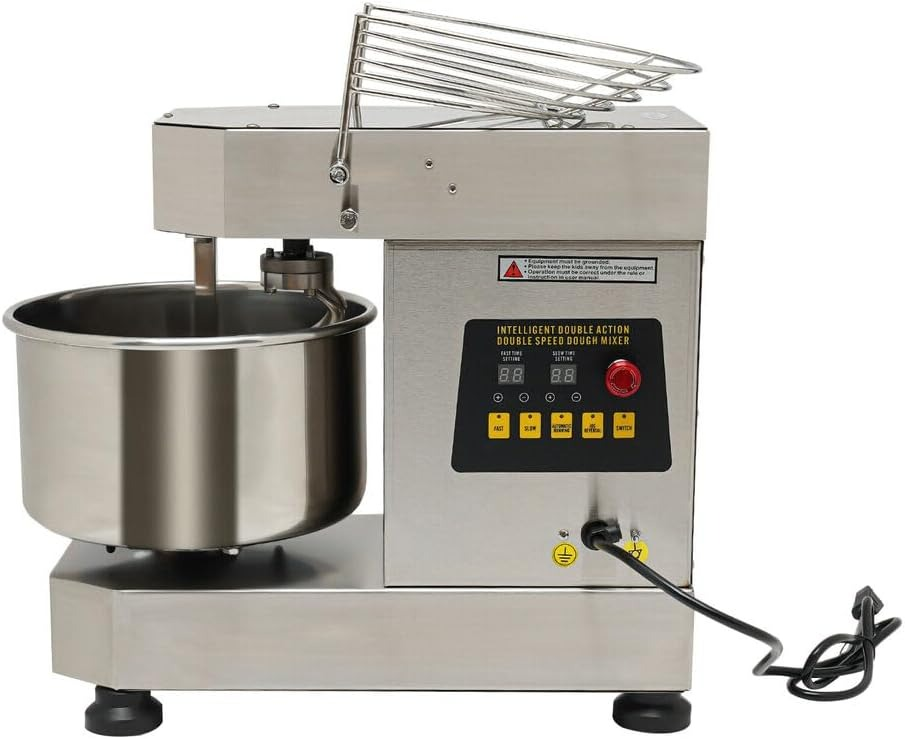
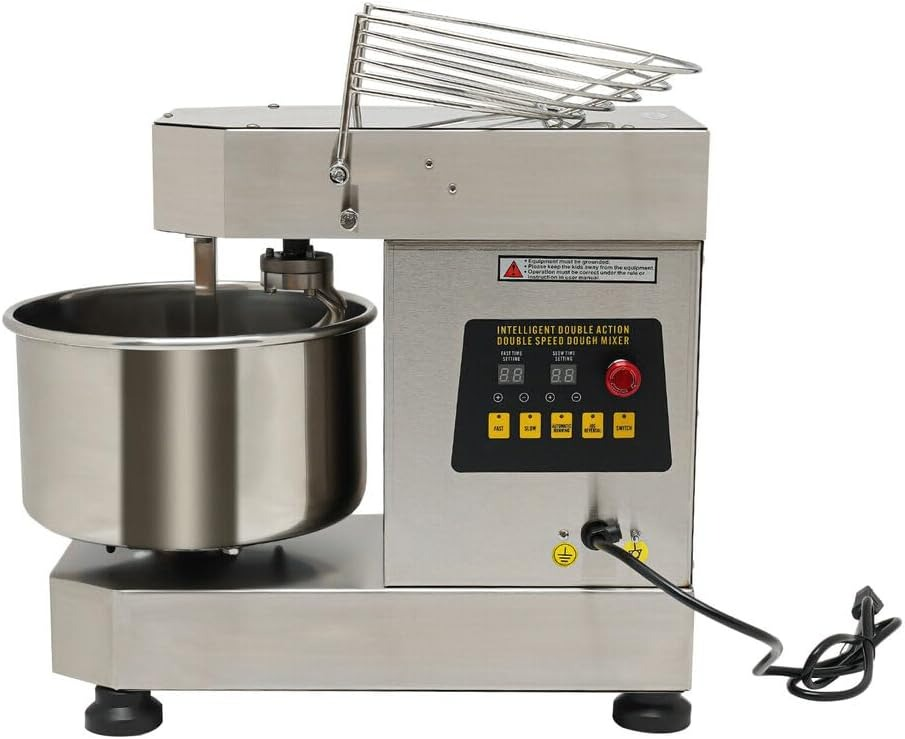
A Pizza Dough Machine helps home cooks and small kitchens produce consistent dough without the usual mixing and kneading fatigue. Instead of guessing whether the dough is “ready,” the appliance delivers steady agitation, repeatable timing, and a cleaner workflow, which often leads to better texture and more confident baking.
This guide explains how the appliance works, what to look for before buying, and how experienced pizza makers use it to improve flavor and handling.
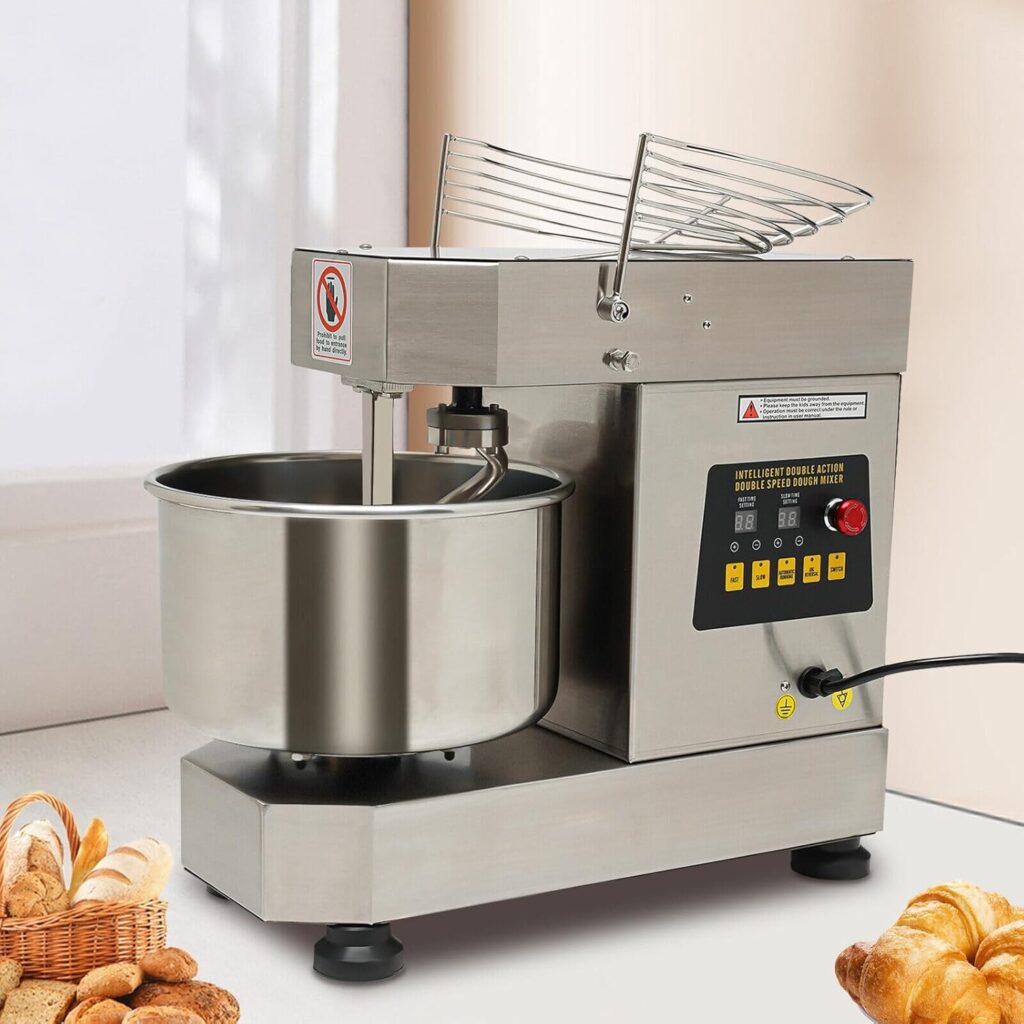
What the Appliance Does in Plain Terms
A Pizza Dough Machine combines ingredients, kneads until the dough turns smooth and elastic, and (depending on the model) supports a short rest or a warm proofing period. The mixing phase hydrates flour evenly, while kneading strengthens gluten so the dough can stretch without tearing. When cycles are consistent, recipe tweaks become easier to track, because changes in water, yeast, or fermentation time produce predictable results.
Who Typically Benefits Most
This setup is especially helpful for:
- households that want homemade pizza more often but prefer less mess
- beginners who want reliable dough while learning shaping and baking
- hosts who need multiple dough balls prepared ahead of gatherings
- small cafés or kiosks that need steady, repeatable batches
In each case, the main value is repeatability: once a recipe works, it tends to keep working.
Key Benefits That Show Up in Real Kitchens
This option is often chosen for practical reasons rather than gadget appeal.
Consistency batch after batch
A Pizza Dough Machine repeats the same kneading intensity and timing every time, reducing the chance of under-kneaded dough that tears or overworked dough that feels tight.
Less effort and fewer shortcuts
When kneading machine is automated, bakers are less tempted to add extra flour “just to manage stickiness,” which can make crust dense. A controlled cycle helps the dough reach a workable stage without over-correcting.
Easier scheduling
Many recipes improve with longer fermentation. A machine-based mix makes it simpler to portion dough and refrigerate it for later baking, which often adds better flavor and browning.
Main Types of Dough-Mixing Options
Not all models are the same, and each style fits a different kitchen rhythm.
Pizza Dough Machine: Bread-maker style programs
Some units are bread makers with a dedicated dough mode. A Pizza Dough Machine in this category mixes, kneads, and then holds the dough at a gentle warmth for a first rise. It tends to be beginner-friendly and hands-off.
Pizza Dough Machine: Stand mixer approach
A strong stand mixer with a dough hook can play the same role as a dedicated dough mixer for many households. The difference is that proofing typically happens in a separate bowl, and the operator manages timing more manually.
Spiral-style countertop kneaders
These are closer to what many pizza-focused kitchens prefer. A Pizza Dough Machine with spiral action often handles higher-hydration dough well and can be kinder to the dough temperature during kneading.
Features That Matter When Comparing Models
A Pizza Dough Machine can be evaluated quickly by focusing on a few practical traits.
1) Motor strength and realistic capacity
Dough is heavy. A Pizza Dough Machine with a stronger motor is less likely to stall, overheat, or leave dry flour at the bottom. Capacity should match typical batch size; crowding the bowl can reduce kneading quality and shorten the appliance’s lifespan.
2) Kneading action and speed control
Different mechanisms fold dough differently. A Pizza Dough Machine with adjustable speed can start slowly (to avoid flour clouds) and then knead more assertively to finish gluten development.
3) Temperature management
Warmth can help yeast, but too much heat can dull flavor and make dough sticky. A Pizza Dough Machine that runs hot may require shorter mix times or cooler water to keep dough temperature in a comfortable range.
4) Build quality and cleanup
Removable parts, smooth surfaces, and sturdy bowls matter more than flashy screens. Many owners prefer simple controls if the appliance will be used weekly.
How Skilled Bakers Use It for Better Dough
A Pizza Dough Machine works best with a methodical routine. The steps below keep results stable while still allowing different pizza styles.
Step 1: Measure with precision
Many bakers weigh flour and water rather than using cups. When hydration is consistent, the dough behaves more consistently too.
Step 2: Use an ingredient order that reduces clumps
A common method is to add liquids first, then flour, then yeast and salt (kept separate initially). The machine can then hydrate flour evenly without leaving dry pockets.
Step 3: Watch the first few minutes
In the early mix, the dough should gather into a single mass. If it stays shaggy, a small splash of water can help. If it looks like batter, a sprinkle of flour can stabilize it. Small corrections early prevent big problems later.
Step 4: Rest, portion, and ferment
After kneading, a brief rest relaxes gluten. Many cooks then portion dough into balls and cover them to prevent drying. If the schedule allows, cold fermentation in the fridge for 24–72 hours tends to improve flavor and handling. A Pizza Dough Machine makes this routine easier because the starting dough quality is consistent.
Matching the Machine to Popular Pizza Styles
A Pizza Dough Machine can support several crust styles with small recipe changes:
- Neapolitan inspired dough: usually higher hydration, shorter mix, longer rest, and often a cold ferment.
- New York–style dough: moderate hydration with a stronger knead for stretch and chew.
- Pan Pizza : typically includes oil and can benefit from a slightly longer mix for smoothness.
- Whole grain blends: often need extra rest time so bran hydrates and the dough stretches more easily.
- Gluten-free dough: behaves differently and won’t develop gluten structure, but it can still be mixed evenly.
The machine does not replace good baking heat; it simply makes the dough stage more repeatable.
Common Problems and Friendly Fixes
A Pizza Dough Machine reduces mistakes, but results still depend on ingredients and timing.
Dough feels too sticky
Sticky dough is often normal at higher hydration. Instead of adding lots of flour, many bakers add a small amount of oil to hands during shaping or use a light dusting of flour on the bench.
Dough tears when stretching
Tearing usually means the dough is tight or under-rested. Extra resting time—either at room temperature or after refrigeration—often solves it.
Dough looks dense after baking
Dense crust commonly comes from under-fermentation. Increasing fermentation time or slightly reducing yeast can help, especially when the dough is refrigerated.
Dough seems overheated
If the dough feels warm right after kneading, cooler water and shorter knead time help. The mixer should create strength without pushing dough temperature too high.
Cleaning and Care That Keeps Performance Strong
A Pizza Dough Machine stays easy to use when it is cleaned promptly. Many owners wipe the bowl and kneading tool right after removing dough, before residue dries. If parts are dishwasher-safe, that can save time, but gentle hand washing often preserves coatings and seals. Keeping vents clear of flour dust also helps the motor run cooler.
Buying Checklist Before Committing
A Pizza Dough Machine purchase goes smoother when buyers confirm:
- the typical batch size and whether the bowl can handle it comfortably
- whether the kitchen prefers dough-only cycles or built-in proofing
- noise tolerance, storage space, and weight on the counter
- warranty terms, replacement parts, and clear instructions
When those basics align, the appliance usually becomes a regular tool rather than an occasional experiment.
FAQs
Is a dedicated mixer necessary for great pizza?
Great pizza is possible without it, but a Pizza Dough Machine can make the dough step more consistent and less tiring, especially for frequent baking.
Can dough be made ahead for a party?
Yes. Many cooks mix and knead, portion dough balls, and refrigerate them for one to three days.
Does the dough need a second rise?
Many recipes benefit from a bulk rise followed by portioning and a second rest, but the exact schedule depends on style and timing.
Is it better to proof warm or cold?
Cold fermentation often builds deeper flavor. Warm proofing can be useful when time is limited.
Final Thoughts
A Pizza Dough Machine is a practical way to improve consistency, reduce mess, and make homemade pizza a realistic routine. When it is paired with accurate measuring, proper resting, and a hot bake surface, it helps produce dough that stretches easily and bakes into a crust worth repeating.

