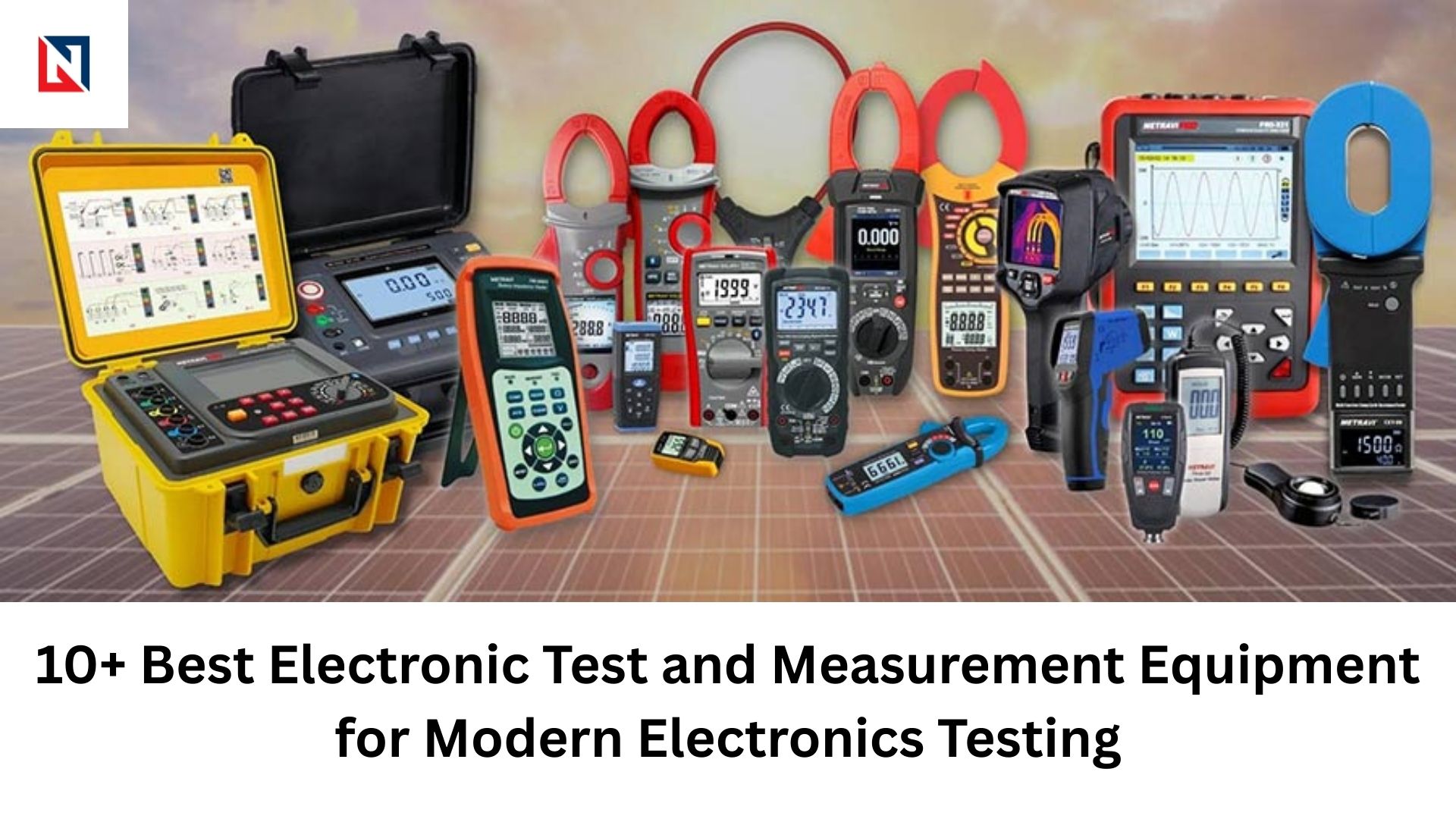
Modern electronics demand clear checks at every stage of design and repair. Engineers, students, and technicians rely on steady methods to spot faults and protect systems. Test and measurement equipment drives this process by showing clear data that guides smart choices.
Neotech Engineering supports this work by shaping tools that serve real testing needs. This blog explores key testing tools in simple language and helps readers see how each one strengthens safe builds, steady learning, and reliable results in everyday electronics work.
Why Electronic Testing Matters
Electronic testing guards devices and keeps them working well while lifting performance. While it helps users catch errors early, which cuts long-term damage.
Design and repair work move faster because problems show up sooner. When you not do a proper testing small faults truns into a big issues.
Key Benefits of Proper Testing
- Even improves device safety and stability.
- Also reduces repair time and effort.
- While builds confidence in final designs.
1. Digital Multimeter
What it Does
A digital multimeter checks basic electrical values and supports learning, repair, and testing work. Many users prefer it because one tool handles several tasks in one body.
Why it Matters
This tool often becomes the first choice since it gives quick answers with clear readings. Learners gain confidence, while experienced users save time during checks.
Key uses:
- Also measure voltage accurately
- Even check the current flow safely.
- While test resistance and continuity.
2. Oscilloscope
What it Does
An oscilloscope traces how signals travel over time and lets users spot waves, spikes, and noise with ease. As a result, the screen reveals faults in a clear and direct way.
Why it Matters
Signals change fast in real systems, yet this tool helps users watch those changes in detail. Circuit behaviour also becomes easier to understand under load.
Key uses:
- Even view the signal shape clearly
- Also track timing issues precisely
- Even study pulse behaviour
3. Signal Generator
What it Does
A signal generator sends known signals into a circuit so the response and strength can be tested. Learning and design work both benefit from this control.
Why it Matters
Circuits must react in the right way; performance drops. This tool helps users confirm expected behaviour before final use.
Key uses:
- Each create sine and square waves
- While feed steady test signals.
- Even check circuit response
4. Power Supply Unit
What it Does
A power supply unit feeds steady power to a circuit while allowing control over voltage and current. Parts remain protected during testing as a result.
Why it Matters
Unstable power often harms components, yet this tool keeps testing controlled. Users can adjust settings slowly and avoid sudden damage.
Key uses:
- Also provide stable power
- Even limit current flow
- Each support safe testing
5. Logic Analyser
What it Does
A logic analyser studies digital signals while tracking many lines at once. Digital faults, therefore, stand out much faster.
Why it Matters
Digital systems rely on exact timing, so errors can hide easily. This test and measurement equipment tool helps users trace logic paths and timing issues with clarity.
Key uses:
- While decode logic states
- Even trace timing errors
- While test digital systems
6. LCR Meter
What it Does
An LCR meter measures inductance, capacitance, and resistance so components can be checked before use. Weak parts stay out of builds as a result.
Why it Matters
Faulty components cause early failure, yet this tool helps users avoid that risk. Quality control also improves during assembly.
Key uses:
- Even test coils and capacitors
- While check part health
- Each support quality control
7. Spectrum Analyser
What it Does
A spectrum analyser views signals by frequency, which helps spot noise and interference. Engineers can then clean signal paths.
Why it Matters
Clear signals improve system performance, while hidden noise reduces quality. This tool reveals problems that normal meters cannot show.
Key uses:
- Every study frequency spread
- While detect signal noise
- Also check bandwidth limits
8. Network Analyser
What it Does
A network analyser tests how signals travel through a system while focusing on gain and loss. High-frequency work benefits most from this view.
Why it Matters
Signal loss affects quality over distance, yet this tool helps users balance and tune systems accurately.
Key uses:
- Measure signal reflection
- Check transmission loss
- Study circuit paths
9. Insulation Tester
What it Does
An insulation tester checks safety levels in wiring and reveals weak insulation. Users therefore avoid shock and damage.
Why it Matters
Safety remains vital in electrical work, especially during maintenance. This tool supports strong protection checks before systems run.
Key uses:
- Test insulation strength
- Improve safety checks
- Support maintenance work
10. Clamp Meter
What it Does
A clamp meter measures current without contact because it clips around a wire. Fast checks become easier as a result.
Why it Matters
Testing speeds up while circuits remain intact. Users also reduce risk during live measurements.
Key uses:
- Measure current safely
- Avoid circuit breaks
- Speed up testing
11. Thermal Camera
What it Does
A thermal camera shows heat patterns in circuits, which helps locate hot spots. Faults appear without touch.
Why it Matters
Heat often reveals hidden problems before failure occurs. This tool helps users act early and protect systems.
Key uses:
- Detect overheating parts
- Study heat flow
- Prevent damage
Building Confidence Through Smart Testing Practices
Clear testing habits help users trust their work and results. When people test systems with care. Even they spot issues early that avoid costly mistakes. Good practices also support learning with safe handling. Over time, these habits build skill with confidence in electronics work.
Simple Habits That Improve Results
- Check connections before powering a circuit.
- Record readings to track changes.
- Test step by step to find issues fast.
- Handle tools with care to avoid damage.
Understanding Signal Behaviour in Real Circuits
Signals act differently once they move through real components and wires. Small changes in load or layout can shift results. Learning how signals behave helps users predict issues and improve design choices. Clear observation leads to stronger and more stable systems.
Factors That Influence Signal Flow
- Wire length and layout shape results
- Load changes affect signal strength
- Heat alters electrical behaviour
- Poor grounding causes noise
Conclusion
Strong testing habits shape better electronic systems and extend device life. Careful checks help users avoid damage, waste, and safety risks during every project stage. Test and measurement equipment plays a vital role because it turns hidden issues into clear signals.
Neotech Engineering reflects this need by creating tools that boost accuracy and trust in testing tasks. When users pick the right tools and use them with care, they raise performance, build confidence, and protect safety in modern electronics testing work.
FAQ
Q 1: Why do beginners need testing tools?
Testing tools help beginners explore how circuits act. They make learning safer and clearer by showing mistakes early. With regular use, learners grow confidence and sharpen their problem-solving skills.
Q 2: How often should electronic systems be tested?
Users should check systems while building, after changes, and before regular use. These checks catch small issues early and reduce the risk of failure during long-term operation.
Q 3: Can one tool handle all testing needs?
One tool cannot cover every task. Each tool serves a clear purpose. When users choose the right tool for each job, they improve accuracy, safety, and overall results in electronics work.