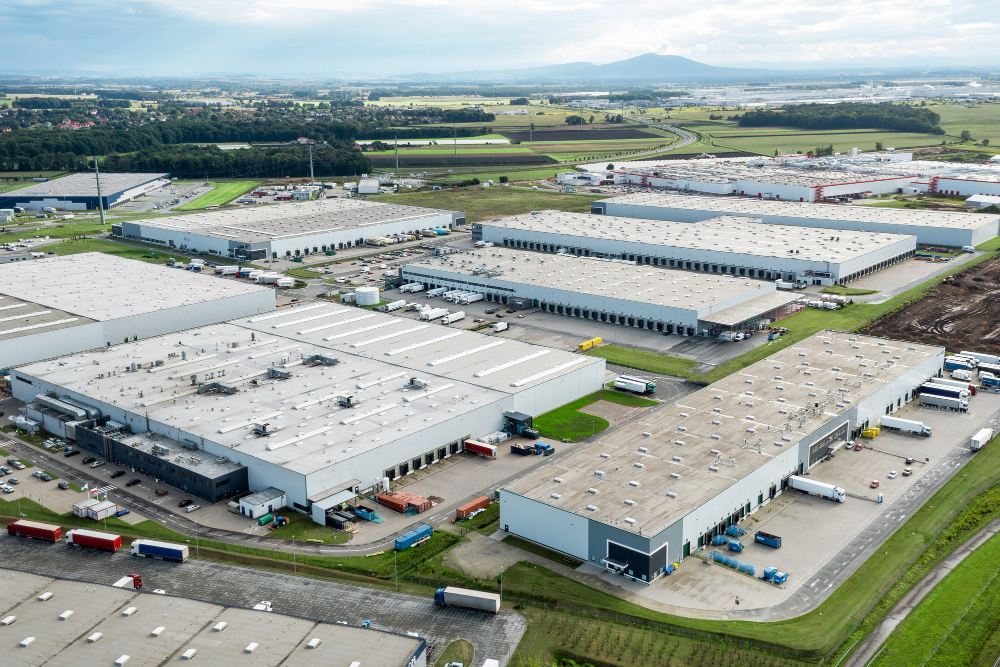
Industrial properties are a major part of many local economies in cities and regional areas. These sites include factories, warehouses, and industrial land used for production and logistics work. Through daily operations, industrial properties help move goods, provide jobs, and support nearby businesses. Their presence often influences how communities grow and remain economically active.
What Are Industrial Properties
Industrial properties are land or buildings used for manufacturing, storage, and distribution work. These spaces handle tasks such as product assembly, packaging, and inventory storage. Many industrial properties sit near transport routes to support steady movement of goods. Their design focuses on function, space use, and access instead of public-facing features.
Common Types of Industrial Properties
Some industrial properties contain manufacturing plants that produce finished or semi-finished goods. Others operate as warehouses that store raw materials or completed products before delivery. Distribution centers focus on sorting and shipping goods within supply chains. Industrial land may also support future development for similar uses.
Why Industrial Properties Matter to Local Economies
Industrial properties add steady economic activity that supports long-term local growth. They attract companies with ongoing operations rather than short-term projects. This activity creates regular demand for services, utilities, and infrastructure. Over time, these contributions strengthen economic stability in surrounding areas.
Job Creation and Workforce Support
Industrial properties provide jobs across different skill levels, from entry roles to technical positions. These jobs often offer steady income for local households. Work opportunities closer to home reduce the need for long-distance travel. A stable workforce helps communities maintain consistent spending habits.
Support for Local Businesses
Businesses near industrial properties often benefit from daily worker activity and operational needs. Food services, transport providers, and maintenance firms gain regular customers. This relationship spreads economic value beyond the property itself. Local suppliers also gain steady work tied to industrial operations.
How Industrial Properties Strengthen Supply Chains
Industrial properties act as physical links in supply chains that move goods from producers to markets. Warehouses and distribution centers manage storage and timing needs. This setup reduces delays and supports reliable delivery schedules. Strong supply chains help businesses operate smoothly at local and regional levels.
Improved Logistics and Accessibility
Many industrial properties are built near highways, ports, or rail lines. This placement supports faster transport of materials and finished goods. Shorter travel times reduce operating costs for businesses. Local areas also gain from infrastructure built to support these sites.
Regional Trade and Distribution
Industrial properties often function as hubs that connect local production to wider markets. Goods produced or stored locally can reach other regions more easily. This access helps local firms take part in national or international trade. Economic activity then returns to the area through wages and services.
Why Industrial Land Development Matters
Developed industrial land offers ready spaces for business operations without long delays. Planned zones usually include utilities, road access, and room for growth. This setup attracts firms looking for practical locations. Industrial properties in these areas help guide growth in an organized way.
Long-Term Economic Stability
Industrial properties often host businesses with long operating timelines. Manufacturing and logistics work usually depend on consistent locations. This stability supports predictable tax income and employment levels. Local governments can plan services more effectively with this steady base.
Infrastructure Investment Benefits
Public and private investments often improve roads, power supply, and drainage near industrial properties. These upgrades also benefit nearby residential and commercial areas. Better infrastructure improves overall area function. Communities gain shared value from these improvements.
How Industrial Properties Affect Urban and Regional Growth
Industrial properties influence how cities and regions expand over time. Their location can guide housing development and transport planning. Balanced placement helps reduce congestion while keeping jobs accessible. Careful planning supports healthier growth patterns.
Managing Population Movement
Employment centers linked to industrial properties reduce pressure on central business districts. Workers can live closer to their jobs in nearby areas. This spread eases traffic flow and public transport demand. Communities develop in a more balanced way as a result.
Encouraging Regional Development
In regional areas, industrial properties can anchor economic activity outside major cities. They draw workers and support services to less crowded locations. This activity supports local income and service availability. Regional economies gain more balance and long-term strength.
How Industrial Properties Support Public Revenue
Industrial properties add to local revenue through taxes and service fees. These funds support public services such as roads, waste management, and safety programs. A strong industrial base spreads tax responsibility more evenly. Communities benefit from better-funded public resources.
Predictable Revenue Streams
Unlike short-term commercial trends, industrial operations often remain steady. This consistency provides reliable income for local governments. Budget planning becomes clearer over time. Stable revenue supports long-term community projects.
Funding Community Services
Revenue linked to industrial properties helps support schools, transport, and utilities. These services benefit both workers and residents. Improved public services raise overall living standards. Economic gains extend beyond the industrial sector itself.
Key Takeaway
Industrial properties support local economies through job creation, supply chain support, and public revenue growth. Their impact extends beyond business activity into community stability and infrastructure development. With proper planning, industrial properties help balance growth across regions. This steady contribution makes them a lasting part of economic activity.