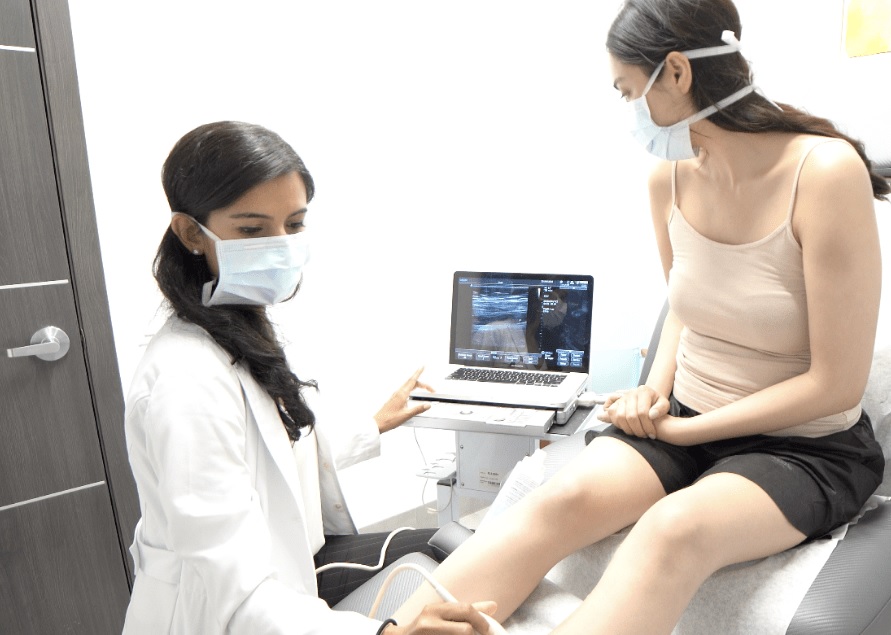
Varicose veins are more than a cosmetic concern—they often signal underlying vein disease that needs proper medical attention. Many patients wonder whether a cardiologist is the right doctor for this condition or if they should see another type of specialist. Understanding what kind of specialist treats varicose veins can help you get faster relief, better outcomes, and the right long-term care.
What Are Varicose Veins and Why Do They Develop?
Varicose veins are enlarged, twisted veins that usually appear on the legs and feet. They develop when vein valves weaken or fail, allowing blood to pool instead of flowing efficiently back to the heart. Over time, this increased pressure causes veins to stretch, bulge, and become visible under the skin.
Common causes include aging, genetics, prolonged standing or sitting, obesity, pregnancy, and hormonal changes. While many people first notice varicose veins because of their appearance, symptoms such as aching, swelling, heaviness, cramping, and skin discoloration often follow.
Can a Cardiologist Treat Varicose Veins?
A cardiologist specializes in conditions related to the heart and major blood vessels, primarily focusing on arterial circulation rather than venous disease. While cardiologists have deep knowledge of the cardiovascular system, treating varicose veins is not typically their primary role.
In some cases, a cardiologist may identify vein-related issues during cardiovascular evaluations or refer patients for further care. However, when it comes to diagnosing and treating chronic venous insufficiency or varicose veins, another type of specialist is usually better suited.
hat Kind of Specialist Treats Varicose Veins?
The answer to what kind of specialist treats varicose veins is usually a vein specialist, vascular specialist, or phlebologist. These doctors focus specifically on venous disorders and are trained to diagnose and manage conditions affecting the veins.
Vein specialists often come from backgrounds in vascular surgery, interventional radiology, or internal medicine, with advanced training in minimally invasive vein treatments. Their expertise allows them to tailor treatment plans based on the severity of the disease, symptoms, and patient goals.
What Is a Varicose Vein Specialist Called in Medical Practice?
Patients frequently ask what is a varicose vein specialist called because multiple medical titles can apply. The most common terms include:
- Vascular Specialist or Vascular Surgeon – Doctors trained in diseases of arteries and veins
- Phlebologist – A physician who specializes specifically in vein disorders
- Interventional Radiologist – A specialist who treats veins using image-guided, minimally invasive techniques
All of these specialists focus on venous health and are equipped to provide comprehensive varicose vein care.
Why a Vein Specialist Is Often Better Than a Cardiologist for Varicose Veins
While cardiologists focus on heart rhythm, coronary arteries, and blood pressure, vein specialists concentrate on venous flow and valve function. This distinction matters because varicose veins result from venous valve failure, not heart disease.
Vein specialists use diagnostic tools such as duplex ultrasound to assess blood flow and valve performance. They then offer targeted treatments that address the root cause, not just the symptoms. This specialized approach leads to better outcomes and lower recurrence rates.
How Do Vein Specialists Diagnose Varicose Veins?
Diagnosis starts with a thorough medical history and physical examination. A vein specialist evaluates symptoms, family history, lifestyle factors, and visible vein changes. Ultrasound imaging plays a crucial role by revealing blood flow patterns and identifying reflux or blockages.
This detailed evaluation allows the doctor to determine the severity of venous disease and recommend the most effective treatment plan. Clinics like Vein Treatment Long Island emphasize precise diagnosis to ensure patients receive personalized care rather than one-size-fits-all solutions.
What Treatments Can a Varicose Vein Specialist Provide?
Modern varicose vein treatment is minimally invasive and highly effective. Common options include:
- Endovenous Laser Ablation (EVLA) – Uses laser energy to close faulty veins
- Radiofrequency Ablation (RFA) – Seals veins with controlled heat
- Sclerotherapy – Injects a solution to collapse smaller veins
- Ambulatory Phlebectomy – Removes surface veins through tiny incisions
These procedures are usually performed in-office, require little downtime, and deliver long-lasting relief.
When Might a Cardiologist Be Involved in Vein Care?
A cardiologist may play a supportive role if a patient has coexisting heart conditions such as coronary artery disease, heart failure, or arrhythmias. In such cases, coordination between a cardiologist and a vein specialist ensures safe and effective treatment.
However, for patients whose primary concern is leg pain, swelling, or visible varicose veins, a dedicated vein specialist remains the most appropriate first choice.
You should consider seeing a vein specialist if you experience:
- Persistent leg pain or heaviness
- Swelling that worsens throughout the day
- Visible bulging or twisted veins
- Skin discoloration or itching around the ankles
- Non-healing leg ulcers
Early evaluation prevents progression and reduces the risk of complications such as blood clots or skin damage.
What Makes Specialized Vein Clinics Important for Long-Term Results?
Specialized clinics focus exclusively on venous health, which means they stay updated on the latest techniques and technologies. Centers like Vein Treatment Long Island offer comprehensive care—from diagnosis to follow-up—ensuring patients receive consistent, expert treatment.
This specialization improves patient comfort, shortens recovery time, and delivers better cosmetic and medical outcomes.
Can Treating Varicose Veins Improve Overall Health?
Yes, effective treatment does more than improve appearance. Restoring proper blood flow reduces pain, swelling, and fatigue, allowing patients to stay active and mobile. Improved circulation also lowers the risk of skin infections, ulcers, and future vein complications.
Addressing venous disease early supports overall vascular health and enhances quality of life.
Is Choosing the Right Specialist the Key to Successful Treatment?
Absolutely. Understanding what kind of specialist treats varicose veins and what is a varicose vein specialist called empowers patients to seek the right care from the start. While cardiologists are essential for heart health, vein specialists are uniquely trained to diagnose and treat venous disorders effectively.