Introduction: Understanding Chronic Pain and Long-Lasting Relief
Chronic pain is more than just discomfort. It is a long-term condition that affects daily life, work, sleep, and emotional health. Millions of people in Australia, the USA, and the UK live with chronic pain caused by injuries, nerve damage, arthritis, or long-standing medical conditions. Unlike short-term pain, chronic pain lasts for months or even years and often requires ongoing treatment under medical supervision.
Modern pain management focuses on improving quality of life. One important advancement is extended-release pain treatment, which provides steady relief over a longer period. These treatments are designed to reduce frequent dosing and help patients maintain consistent pain control throughout the day.
Tapaday 200 in Chronic Pain Discussions
Tapaday 200 is commonly discussed in chronic pain management conversations because it contains tapentadol in an extended-release form, which doctors may prescribe for moderate to severe long-term pain. Patients often research this medication to better understand how extended-release pain relief works and why physicians choose it for certain conditions. Any use of such medication should always follow a licensed healthcare provider’s advice and a valid prescription.
What Is Chronic Pain?
Chronic pain is defined as pain that lasts longer than three months. It can be constant or come and go, but it does not fully disappear. Common causes include:
- Arthritis and joint disorders
- Nerve damage (neuropathic pain)
- Back and spine conditions
- Fibromyalgia
- Post-surgical pain
- Injury-related pain that does not heal properly
Living with chronic pain can affect mental health, mobility, sleep quality, and social life. That is why treatment plans often combine medical care, physical therapy, and lifestyle changes.
Why Extended-Release Relief Matters
Extended-release pain treatments are designed to release medication slowly over time. This helps maintain stable levels in the body and avoids the ups and downs associated with immediate-release options.
Key benefits of extended-release pain relief:
- Longer-lasting pain control
- Fewer daily doses
- Improved adherence to treatment plans
- Reduced pain spikes between doses
- Better sleep and daily function
Doctors often consider extended-release options when pain is persistent and requires round-the-clock management.
How Extended-Release Medications Work
Extended-release formulations utilise specialised technology to deliver medication over an extended period. Instead of releasing all at once, the active ingredient is absorbed slowly, providing consistent relief for several hours.
Tapentadol extended-release, for example, works through a dual mechanism:
- It acts on opioid receptors to reduce pain signals.
- It influences norepinephrine pathways, which also play a role in pain perception.
This combined approach is one reason healthcare providers may consider it for certain chronic pain conditions.
Medical Supervision Is Essential
Chronic pain treatment should never be self-managed. Extended-release medications require careful dosing, monitoring, and follow-up. Doctors consider several factors before prescribing them, including:
- Pain severity and duration
- Medical history
- Other medications being used
- Risk factors and overall health
Patients often search phrases like “buy tapentadol online”, but it is important to understand that prescription pain medications must be obtained legally and safely through licensed healthcare providers and regulated pharmacies. Education and awareness help patients make informed, responsible decisions.
Role of Extended-Release Therapy in Long-Term Pain Care
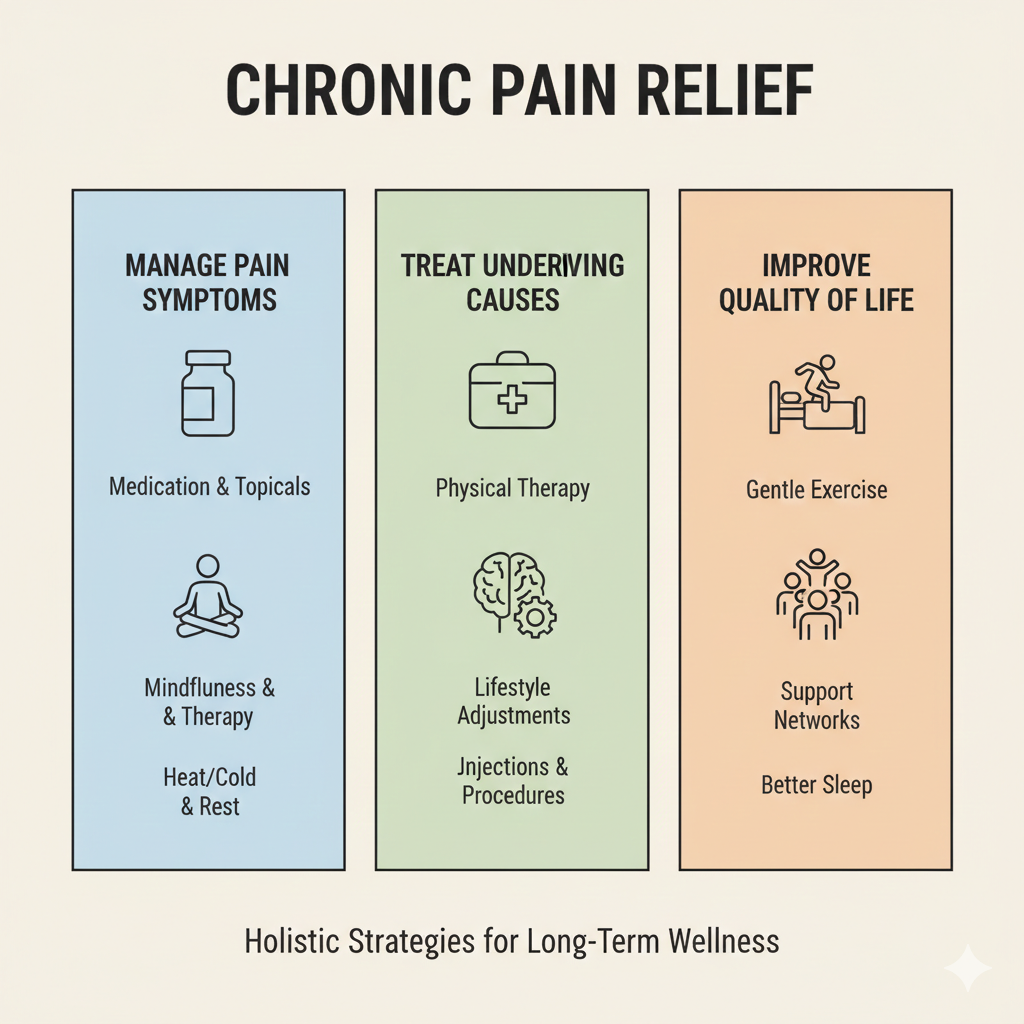
Extended-release pain relief is typically part of a broader pain management plan. It is not a standalone solution. Doctors may combine it with:
- Physical therapy
- Gentle exercise programs
- Cognitive behavioral therapy
- Anti-inflammatory treatments
- Lifestyle changes such as improved sleep and stress management
This integrated approach aims to reduce pain while improving mobility and emotional well-being.
Chronic Pain Management in Canada and Australia
Countries like Canada and Australia follow strict medical guidelines for chronic pain treatment. Healthcare systems emphasize patient safety, proper diagnosis, and long-term monitoring.
In these regions:
- Extended-release medications are prescribed only when necessary
- Patients are regularly reviewed for effectiveness and safety
- Non-drug therapies are encouraged alongside medication
This balanced approach helps reduce risks while ensuring patients receive adequate relief.
Addressing Common Concerns About Extended-Release Pain Treatment
Many patients have questions before starting extended-release therapy.
Is extended-release pain relief addictive?
When used correctly under medical supervision, the risk is carefully managed. Doctors assess patient history and adjust treatment as needed.
Will it cure chronic pain?
Extended-release medications do not cure chronic pain. They help manage symptoms and improve daily functioning.
Is it suitable for everyone?
No. Extended-release treatments are prescribed based on individual needs, health conditions, and response to other therapies.
Patient Education and Responsible Use
Education plays a key role in chronic pain care. Patients who understand how their treatment works are more likely to use it responsibly and effectively.
Platforms like Buyrxsafe focus on providing clear, reliable information about medications, treatment options, and safe use practices. Informational resources help patients ask better questions and follow their doctor’s guidance correctly.
Lifestyle Support for Better Pain Control
Medication alone is rarely enough. Patients with chronic pain often benefit from supportive lifestyle changes such as:
- Regular low-impact exercise
- Maintaining a healthy weight
- Stress reduction techniques
- Proper sleep routines
- Balanced nutrition
These steps can enhance the effectiveness of extended-release treatments and improve overall quality of life.
The Importance of Individualized Treatment Plans
No two patients experience chronic pain the same way. What works for one person may not work for another. That is why doctors personalize treatment plans based on:
- Pain type and intensity
- Daily activity levels
- Mental health considerations
- Response to previous treatments
Extended-release relief is one option among many, chosen when it fits the patient’s specific needs.
Looking Ahead: Advances in Chronic Pain Treatment
Medical research continues to improve pain management strategies. New formulations, better monitoring tools, and patient-centered care models are shaping the future of chronic pain treatment. The goal remains clear: effective relief with improved safety and quality of life.
Conclusion: A Balanced Approach to Chronic Pain Relief
Chronic pain can be life-altering, but modern treatment options offer hope. Extended-release pain relief plays an important role in managing long-term discomfort when prescribed responsibly. With proper medical supervision, patient education, and lifestyle support, individuals can regain control over daily life.
Whether in Australia, the USA, or the UK, patients are encouraged to work closely with healthcare professionals to explore safe, effective pain management options. Reliable educational platforms like Buyrxsafe help support informed decisions, emphasizing safety, legality, and responsible care above all.