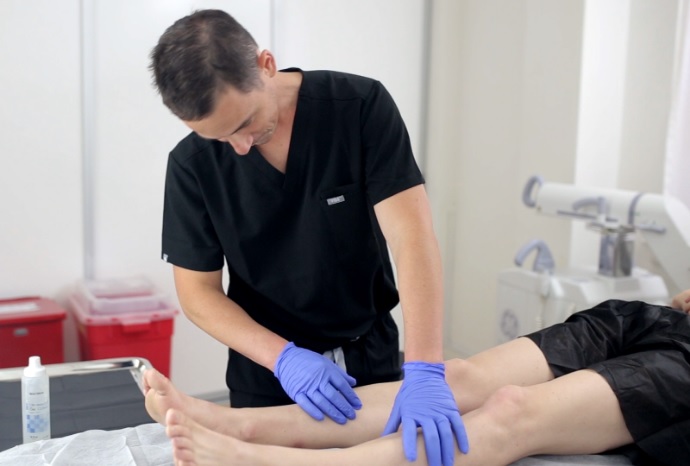
A vein treatment specialist focuses on diagnosing and managing vein-related conditions such as spider veins, varicose veins, and chronic venous insufficiency. These professionals use advanced, minimally invasive techniques that improve both health and appearance. When people search for Vein Treatment in Long Island, they often want to understand which treatments are available, how they work, and which option suits their condition best. The following sections explain the most common treatments offered today in a clear, patient-friendly way.
How Does a Vein Treatment Specialist Diagnose Vein Problems?
Before recommending any treatment, a vein treatment specialist performs a thorough evaluation. The process usually begins with a medical history review, followed by a physical examination of the legs. Specialists often use duplex ultrasound imaging to assess blood flow and identify faulty valves or damaged veins. This non-invasive test allows accurate diagnosis and helps create a personalized treatment plan. Proper diagnosis ensures that treatment addresses the root cause rather than just visible symptoms.
What Is Sclerotherapy and Why Is It So Common?
Sclerotherapy remains one of the most widely used treatments for spider veins and small varicose veins. During this procedure, the vein treatment specialist injects a medical solution directly into the affected vein. The solution irritates the vein lining, causing it to collapse and eventually fade from view.
Patients choose sclerotherapy because it is quick, effective, and requires no surgery. Most sessions take less than 30 minutes, and patients can return to daily activities almost immediately. For those seeking Vein Treatment in Long Island, sclerotherapy often serves as the first line of treatment for cosmetic vein concerns.How Does Laser Vein Treatment Work?
Laser vein treatment uses focused light energy to close off damaged veins. The heat from the laser causes the vein walls to collapse and seal shut. Over time, the body absorbs the treated vein, and blood reroutes to healthier veins.
This treatment works particularly well for spider veins and small surface veins. A vein treatment specialist often recommends laser therapy for patients who prefer a needle-free option. Since the procedure is non-invasive, it causes minimal discomfort and requires no downtime, making it popular among working professionals.
What Is Endovenous Laser Ablation (EVLA)?
Endovenous laser ablation, commonly known as EVLA, treats larger varicose veins and underlying vein reflux. In this procedure, the specialist inserts a thin laser fiber into the affected vein under ultrasound guidance. The laser delivers controlled heat, sealing the vein from the inside.
EVLA offers excellent long-term results and has largely replaced traditional vein stripping surgery. Patients experience less pain, fewer complications, and faster recovery. Many clinics offering Vein Treatment Long Island services rely on EVLA as a gold-standard treatment for chronic venous insufficiency.
How Does Radiofrequency Ablation Compare to Laser Treatments?
Radiofrequency ablation (RFA) works similarly to EVLA but uses radiofrequency energy instead of laser heat. The vein treatment specialist inserts a catheter into the vein and delivers energy that gently heats and closes it.
RFA often causes even less post-procedure discomfort than laser treatments. Patients typically walk immediately after the procedure and return to normal activities within a day. Specialists choose between EVLA and RFA based on vein size, location, and patient preference.
What Is VenaSeal and Why Is It Innovative?
VenaSeal represents one of the latest advancements in vein care. This treatment uses a medical adhesive to close diseased veins. Instead of heat, the vein treatment specialist applies a small amount of adhesive inside the vein, sealing it permanently.
One major advantage of VenaSeal is that it does not require tumescent anesthesia or compression stockings in many cases. Patients appreciate the comfort and convenience of this option. For those exploring modern Vein Treatment in Long Island, VenaSeal offers a highly effective and patient-friendly solution.
When Is Ambulatory Phlebectomy Recommended?
Ambulatory phlebectomy removes bulging varicose veins through tiny skin incisions. The vein treatment specialist performs this procedure under local anesthesia, carefully extracting the damaged veins.
This treatment works best for surface varicose veins that cause discomfort or cosmetic concerns. Since the incisions are very small, scarring remains minimal. Patients often combine phlebectomy with EVLA or RFA for comprehensive vein care.
Can Compression Therapy Be Part of Vein Treatment?
Compression therapy plays a supportive role in vein care. Specialists recommend medical-grade compression stockings to improve circulation, reduce swelling, and relieve symptoms. While compression stockings do not eliminate damaged veins permanently, they help manage symptoms and support healing after procedures.
A vein treatment specialist may suggest compression therapy before or after interventional treatments. It also benefits patients who are not immediate candidates for procedures due to medical reasons.
How Do Lifestyle Changes Support Professional Vein Treatments?
Although procedures address damaged veins, lifestyle changes enhance long-term results. Specialists often advise patients to maintain a healthy weight, stay active, elevate their legs, and avoid prolonged sitting or standing. These habits reduce pressure on veins and prevent new vein issues from developing.
When combined with expert care at a trusted clinic like Vein Treatment Long Island, lifestyle improvements help patients achieve lasting relief and better vein health.
Why Should You Choose a Vein Treatment Specialist for Long-Term Results?
Choosing a qualified vein treatment specialist ensures accurate diagnosis, advanced treatment options, and safe outcomes. These specialists focus exclusively on vein health, which allows them to stay updated with the latest techniques and technologies.
Clinics such as Vein Treatment Long Island emphasize personalized care, minimally invasive procedures, and patient education. This comprehensive approach helps patients feel confident and informed throughout their treatment journey.
What Results Can Patients Expect After Vein Treatment?
Most patients notice significant improvement in symptoms such as pain, swelling, and heaviness within weeks of treatment. Visually, treated veins fade or disappear over time. Since modern procedures target the underlying cause, results often last for years.
Regular follow-ups with a vein treatment specialist ensure optimal healing and early detection of any new vein issues. With proper care, patients enjoy healthier legs and improved quality of life.