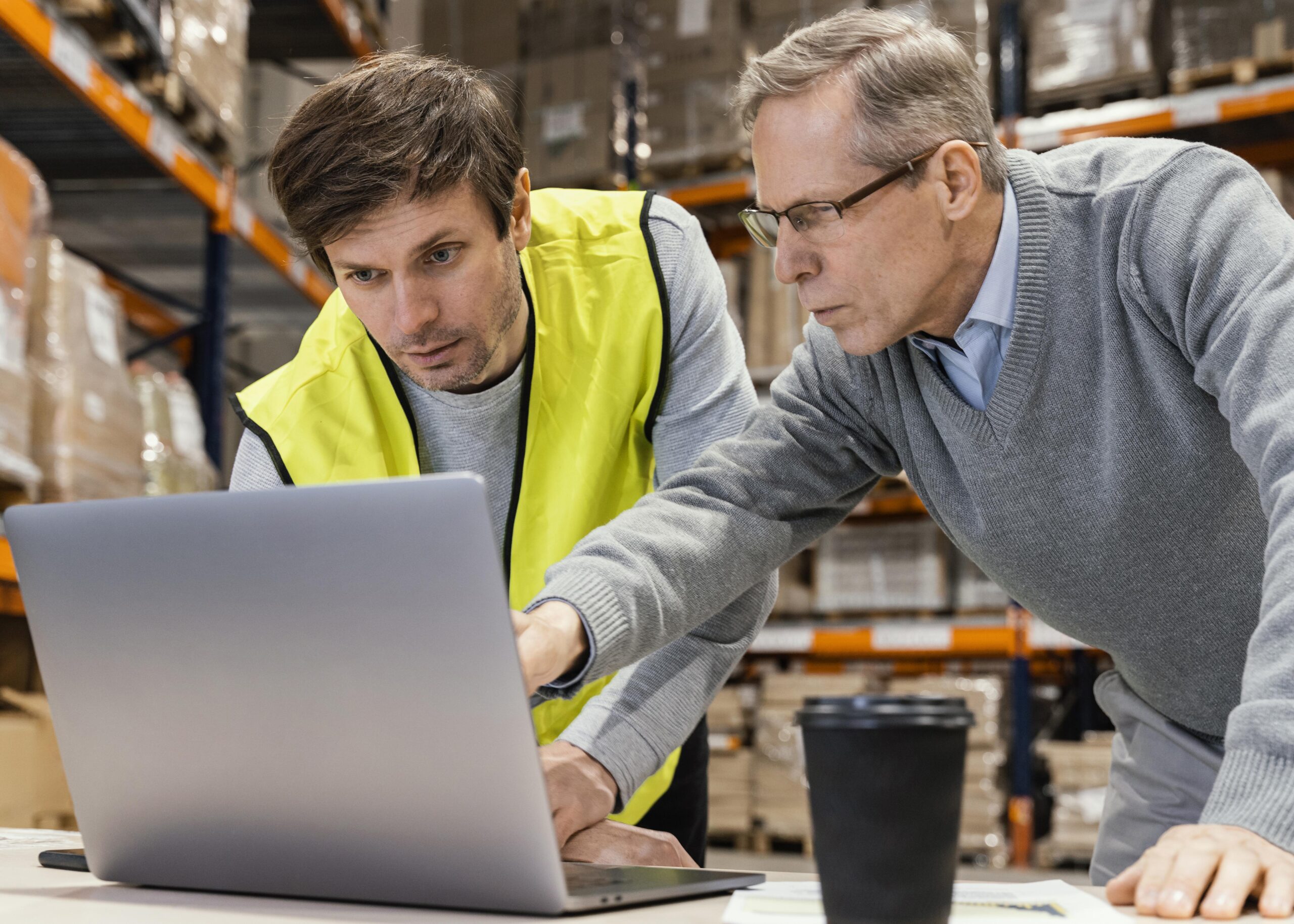
The world of logistics is one that keeps evolving fast with newer ideas and even smarter tools. Freight and shipping providers now work closely for better delivery solutions throughout the world.
In this industry, technology and sustainability have brought huge changes. A freight forwarder in Karachi plays a key role in improving connections between sea, air, and land transport. These changes ultimately make global trade faster and smoother. Through this collaboration, companies and customers are able to achieve goals with trust, speed, and cost efficiency.
Emerging Technological Innovations
Technology has become deeply intertwined with the very fabric of life. (dissertation, 2023) Technology has considerably improved the connectivity of freight and shipping service providers. Automations, artificial intelligence, and digital platforms make cargo handling, tracking, and planning easier, thus giving way to newer, smarter, and more efficient logistics systems.
Role of Automation and AI in Freight Operations
Automation and AI are changing how freight tasks have traditionally been performed. Smart machines, data systems, and digital tools reduce human error and speed up operations.
They improve the way shipments are packed, loaded, and tracked. Shipping companies in Pakistan efficiently handle AI to facilitate route planning and reduce transport costs. This technology enables businesses to make speedy decisions and handle vast amounts of data with ease. It enhances the level of accuracy and enables teams to collaborate more effectively.
Real-Time Tracking and Data Analytics
Real-time tracking allows freight and shipping providers to know the location of goods at any moment. It also instils trust between companies and customers. Data analytics help in predicting such delays, fuel use, and customer needs.
Using smart software, a company can analyse data in no time and make better plans. It enhances communication between all partners to reduce delivery errors. The same system makes reporting easier as logistics managers are able to track shipments right from the beginning until arrival. This provides full control and visibility over the supply chain.
Evolving Business and Market Dynamics
In the era of rapid globalisation, businesses must continuously adapt their strategies to sustain economic prosperity, necessitating a deeper understanding of the interplay between evolving business strategies and global market dynamics. (Irma & et al, 2025)
Shipping and freight operators must adapt to the changing market needs and customers. This has influenced their use of digital tools, partnership initiatives, and the need to focus on eco-friendly transport to remain competitive.
Increase in the Digital Freight Marketplaces
Digital freight marketplaces refer to web-based platforms that connect shippers and transport providers. Such facilities ease the booking, tracking, and paying process. Businesses can compare prices and find reliable shipping partners in a very short time.
For freight companies, they are effective in saving them time by reducing paper usage. As a result of this, the prices will be more transparent, as well as the communication. Digital marketplaces help small businesses identify opportunities for global shipping. The whole system supports quicker decision-making, effective delivery management, and cost-effective solutions for all members within this logistical chain.
Focus on Sustainable and Green Shipping Practices
Now, sustainability is a huge goal for freight companies and shipping firms. They use eco-friendly fuel, energy-saving ships, and recyclable packages to reduce pollution. Green logistics protects the environment and builds a positive image for the company.
Many firms also adhere to all global environmental rules to meet customer expectations. Renewable energies and smart technologies also reduce waste. It makes shipping more responsible, cost-effective, and future-ready to help nature and business grow together in a better way.
Strategic Partnerships and Shared Resources
Freight and shipping carriers now collaborate on sharing warehouse resources, routes, and technology. This kind of collaboration allows for reduced costs and faster delivery times. The ability to merge their knowledge and systems enables companies to handle bigger shipments and serve new markets.
Collaboration ultimately lays the path to better problem-solving and innovation. It builds trust and helps strengthen the logistics network. Working together, both parties can gain equally while advancing overall efficiency and customer satisfaction through shared responsibility and collaboration.
Changing Customer Expectations
Modern customers seek speedier, cheaper, and safer delivery. Freight and shipping firms are therefore upgrading systems to offer real-time updates, flexible services, and improved communication on every shipment.
Demand for Faster and Reliable Deliveries
Customers require freight and shipping providers to offer quick and safe deliveries. In this respect, companies use smart scheduling, real-time tracking, and better transport systems.
Fast delivery helps in gaining confidence among customers and provides an opportunity for more orders. Many firms, hence, invest a lot in improving technology and logistics planning to avoid delays. This helps to sustain their businesses in the global market by keeping customers satisfied with efficient, timely, and reliable delivery of shipments in all directions.
Impact of Global Trade Regulations
The global laws of trade undergo constant changes, which shipping and freight providers should adapt to. Compliance with new rules would keep the cargo safe, avoid fines, and maintain better international business relations.
Adapting to New Compliance and Safety Standards
Freight and shipping companies have to follow severe trade and safety regulations: right labelling, packaging, and customs documentation. Conformity to new standards avoids delay and possible legal consequences.
Training of staff and renewal of systems are helpful in meeting the demands for compliance. The use of accredited tools and respect for international legislation also prevent any form of damage to goods. It creates trust among international partners and assures undisturbed transport operations without any dent in the supply chain management or trade agreements.
Conclusion
Collaboration between freight and shipping providers is redefining global trade. They implement operations with smart technology that make processes quicker and more reliable through partnerships and sustainable practices. On the customers’ side, high delivery speed, transparency, and safety are the immediate benefits. All these trends together lead to a better and more connected logistics world. With further innovation and collaboration, the freight and shipping industries will continue to grow toward better services and a greener, efficient future for global transportation.