
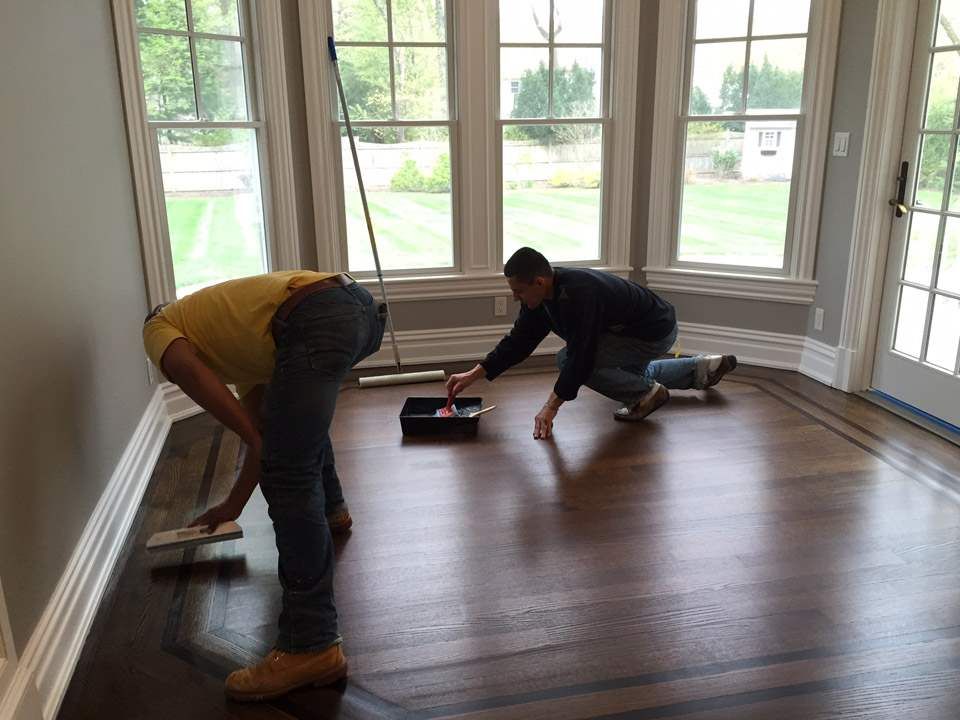
Renovating your home can be exciting, but it often comes with challenges. One of the most important steps in updating a room is flooring removal and installation. Knowing the average cost of flooring removal and installation can help you plan your budget and avoid surprises. In this guide, we will explain everything you need to know in simple English, from different materials to labor costs and hidden expenses.
Why Flooring Costs Vary
The cost of flooring depends on several factors. Materials, labor, room size, and location all affect the final price. Understanding these details helps homeowners make informed decisions.
1. Room Size and Layout
Larger rooms require more materials and more labor. Oddly shaped rooms, stairs, or rooms with built-in furniture take extra time, increasing the cost.
2. Type of Flooring
Different flooring materials have different prices. Here’s a simple breakdown:
- Carpet: Usually cheaper, easy to install, soft, and warm.
- Laminate: Affordable and durable, with many designs available.
- Vinyl: Water-resistant and budget-friendly, especially for kitchens and bathrooms.
- Hardwood: Expensive but gives a classic, premium look.
- Tile: Durable and stylish, but labor-intensive to install.
The material you choose can double or triple the overall project cost.
3. Labor Costs
Professional installation ensures your floor lasts longer. Labor costs vary based on skill level, local wages, and complexity of the job. Expect more for tile or hardwood than for carpet or vinyl.
Breakdown of Flooring Removal Costs
Before installing new flooring, the old floor must be removed. This step is essential, and the cost varies by material.
- Carpet removal: Around $0.75 to $1.50 per square foot.
- Laminate or vinyl removal: Approximately $1.00 to $2.00 per square foot.
- Tile removal: Usually $2.00 to $4.00 per square foot.
- Hardwood removal: $2.00 to $4.50 per square foot, depending on how it is installed.
This step is often overlooked, but skipping it can lead to problems like uneven surfaces or damage to new flooring.
Installation Costs for New Flooring
After removal, the next step is installing the new floor. Costs vary depending on the material and labor requirements:
- Laminate flooring: $2.00 – $4.00 per square foot.
- Luxury Vinyl Plank (LVP): $3.00 – $5.00 per square foot.
- Engineered hardwood: $4.00 – $8.00 per square foot.
- Solid hardwood: $6.00 – $10.00 per square foot.
- Tile: $5.00 – $12.00 per square foot.
Remember, these prices usually cover labor only. Materials are additional, and high-quality products will increase your total cost.
Combined Average Cost of Flooring Removal and Installation
Most homeowners want to know the average cost of flooring removal and installation including both labor and material. Here’s an estimate for 500 square feet:
| Flooring Type | Removal Cost | Installation Cost | Total Cost Estimate |
| Carpet | $500 – $750 | $1,250 – $1,500 | $1,750 – $2,250 |
| Laminate | $750 – $1,000 | $1,750 – $2,000 | $2,500 – $3,000 |
| Vinyl | $750 – $1,000 | $2,000 – $2,250 | $2,750 – $3,250 |
| Hardwood | $1,750 – $2,250 | $3,000 – $5,000 | $4,750 – $7,250 |
| Tile | $1,500 – $2,000 | $3,000 – $4,500 | $4,500 – $6,500 |
These numbers give a clear idea of what to expect when budgeting for a floor renovation.
Hidden Costs You Should Consider
There are extra costs that many people forget about when budgeting:
- Subfloor repair: If the old floor damaged the base, leveling or repairing it may cost $1 – $3 per square foot.
- Underlayment: Provides extra support and insulation. Usually $0.50 – $1.50 per square foot.
- Disposal fees: Removing old flooring can require disposal services costing $100 – $500.
- Trim and molding: Finishing edges and corners adds $1 – $3 per linear foot.
Being aware of these extras helps avoid unexpected expenses.
How to Save on Flooring Removal and Installation
You don’t have to spend a fortune to get a beautiful floor. Some cost-saving tips:
- Compare Quotes: Get at least three quotes from different contractors.
- DIY Removal: If you have time and tools, removing old carpet or vinyl yourself can save money.
- Choose Affordable Materials: Laminate and vinyl can look like hardwood at a fraction of the cost.
- Plan Ahead: Ordering materials in advance prevents rush fees.
DIY vs Professional Installation
DIY installation can save money but comes with risks:
- Pros of DIY: Lower cost, personal satisfaction, flexible schedule.
- Cons of DIY: Mistakes can be expensive, labor-intensive, may void warranty.
Professional installation ensures your floor is even, durable, and covered by warranty. For complex materials like tile or hardwood, hiring experts is usually the best choice.
Planning Your Flooring Project
- Measure your rooms accurately.
- Choose the flooring material that fits your budget and style.
- Decide whether to hire professionals or do it yourself.
- Factor in removal, installation, and hidden costs.
- Prepare for project time — larger or more complex rooms take longer.
Good planning makes the process smooth and avoids unnecessary stress.
Final Thoughts
Updating your floors can completely transform a room. Knowing the average cost of flooring removal and installation helps you plan financially and ensures you get quality results. Always compare materials, labor costs, and hidden fees before starting. Whether you choose carpet, hardwood, or tile, a well-installed floor will improve your home’s comfort and value for years to come.
