
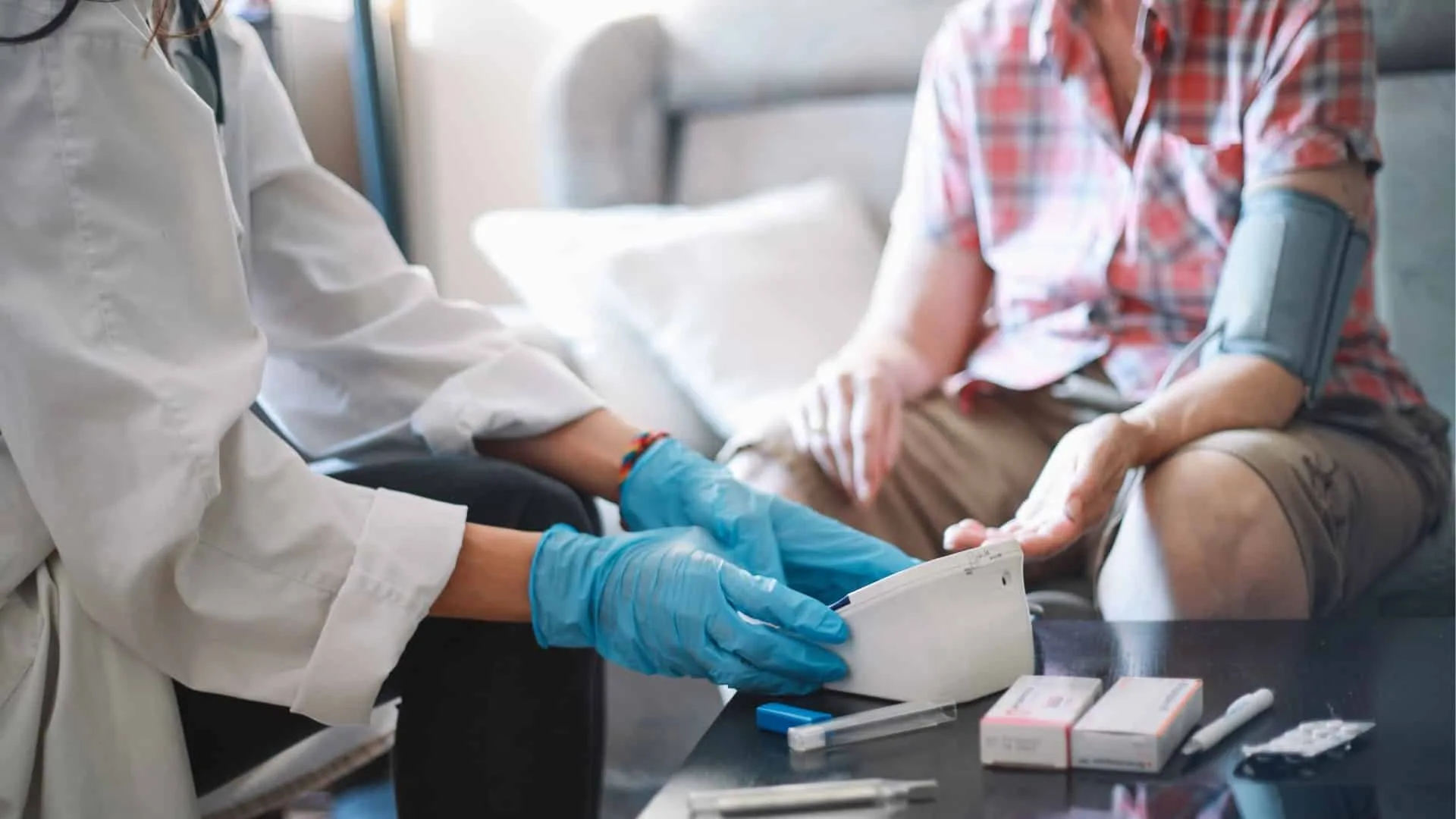
Personalized healthcare has become a defining standard of quality medical services, especially in home-based settings. Instead of applying one-size-fits-all solutions, a Home Healthcare Doctor Dubai focuses on individualized treatment plans that reflect each patient’s medical history, lifestyle, and personal needs. This tailored approach ensures more accurate care, improved comfort, and better long-term health outcomes for patients receiving medical attention at home.
Comprehensive Initial Health Assessments:
Personalized care begins with an in-depth assessment that goes beyond basic symptoms. Home healthcare doctors evaluate the full picture of a patient’s physical, emotional, and social health to design appropriate treatments. This process often includes:
- Reviewing medical history and existing diagnoses
- Assessing mobility, nutrition, and daily living abilities
- Evaluating home safety and living conditions
- Understanding patient preferences and goals
Individualized Treatment Planning:
After assessment, doctors create customized care plans that align with the patient’s specific health needs and recovery goals. These plans are flexible and adjusted as conditions change. Key elements of individualized treatment planning include:
- Tailored medication regimens
- Customized therapy or rehabilitation schedules
- Disease-specific management strategies
- Clear short-term and long-term health goals
Personalized Chronic Disease Management:
Chronic conditions require ongoing attention and adaptation over time. Home healthcare doctors personalize management plans to reduce symptoms and prevent complications while fitting into daily routines. Personalized strategies often involve:
- Condition-specific monitoring schedules
- Lifestyle adjustments based on patient capability
- Nutritional guidance tailored to medical needs
- Regular evaluation of treatment effectiveness
Customized Medication Management:
Medication responses vary significantly between individuals, making personalization essential. Home healthcare doctors closely monitor how patients respond to prescribed medications and adjust as needed. Personalized medication care includes:
- Selecting dosages based on age and health status
- Monitoring side effects and interactions
- Simplifying complex medication schedules
- Educating patients and caregivers on proper use
Adapting Care to Patient Lifestyle and Culture:
Effective home healthcare respects cultural values, routines, and personal preferences. Doctors tailor care approaches to align with the patient’s lifestyle, increasing comfort and compliance. This adaptability may involve:
- Scheduling visits around daily routines
- Respecting dietary preferences and cultural practices
- Communicating in a preferred language
- Involving family members in care decisions
One-on-One Attention in a Familiar Environment:
Receiving care at home allows doctors to observe patients in their natural surroundings, leading to more accurate and personalized interventions. This environment-based approach supports:
- Better understanding of daily challenges
- Realistic treatment recommendations
- Enhanced patient trust and communication
- Reduced stress compared to clinical settings
Personalized Rehabilitation and Recovery Plans:
Recovery from illness, injury, or surgery varies from person to person. Home healthcare doctors tailor rehabilitation plans to the patient’s pace and physical ability. These plans often focus on:
- Gradual strength and mobility improvement
- Pain management tailored to tolerance levels
- Safe exercise routines within the home
- Continuous progress evaluation and adjustment
Ongoing Monitoring and Care Adjustments:
Personalized care is not static and requires continuous evaluation. Home healthcare doctors regularly review patient progress and modify treatments as needed. Ongoing personalization includes:
- Tracking changes in symptoms or vital signs
- Adjusting therapies based on recovery progress
- Responding promptly to new health concerns
- Preventing complications through early intervention
Patient and Caregiver Education Tailored to Needs:
Education plays a crucial role in personalized care. Home healthcare doctors adapt information delivery to match the patient’s understanding and caregiver capabilities. Educational support may involve:
- Simplified explanations of medical conditions
- Customized training for home care routines
- Clear guidance on warning signs to watch for
- Practical tips for maintaining health at home
Emotional and Psychological Support Integration:
Personalized care extends beyond physical health to emotional well-being. Home healthcare doctors consider mental and emotional factors that influence recovery and quality of life. This supportive approach includes:
- Recognizing signs of anxiety or depression
- Encouraging open communication about concerns
- Coordinating emotional support resources
- Promoting patient confidence and independence
Collaborative Care with Specialists:
When specialized care is needed, home healthcare doctors coordinate with other medical professionals while maintaining a personalized approach. This collaboration ensures:
- Consistency across treatment plans
- Smooth communication between care providers
- Unified goals focused on patient needs
- Reduced fragmentation of medical care
Final Thoughts.
Personalized care is at the heart of effective home healthcare, transforming medical treatment into a patient-centered experience. By tailoring assessments, treatments, education, and emotional support, home healthcare doctors ensure that care aligns with individual needs rather than generic protocols. This approach not only improves clinical outcomes but also enhances comfort, dignity, and confidence for patients receiving medical care in their own homes.


