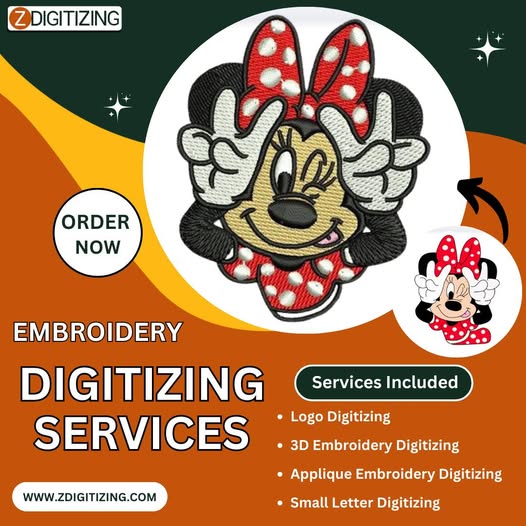
Embroidery digitizing services in USA play a critical role in today’s branding, apparel, and promotional product industries. As embroidered logos and designs continue to be widely used on garments and accessories, the need for accurate, production-ready digitizing has increased. Digitizing is more than converting artwork into stitches; it ensures design clarity, stitch efficiency, and consistent embroidery output across different materials.
Businesses and individuals depend on professional embroidery digitizing to transform creative concepts into files that embroidery machines can execute smoothly. With rising quality expectations, experienced digitizers help ensure that every stitch contributes to a clean and durable final result.
What Is Embroidery Digitizing?
Embroidery digitizing is the technical process of converting artwork such as logos, lettering, or illustrations into a digital embroidery file. This file contains specific instructions for embroidery machines, including stitch type, stitch direction, density, sequencing, and underlay.
A properly digitized design helps prevent common embroidery issues like thread breaks, fabric distortion, or uneven coverage. Unlike automated conversions, professional digitizing requires hands-on experience and an understanding of how different fabrics respond during stitching.
Why Professional Digitizing Is Important
Quality embroidery begins with accurate digitizing. Even advanced embroidery machines depend entirely on the quality of the digitized file. Professional embroidery digitizing services focus on technical precision to ensure dependable embroidery results.
Some key advantages include:
- Balanced stitch density to reduce fabric stress
- Clean edges and consistent stitch flow
- Optimized paths for smoother machine operation
- Files compatible with multiple embroidery formats
These factors directly affect the durability, appearance, and efficiency of embroidered products, especially during large production runs.
Industries That Use Embroidery Digitizing Services
Embroidery digitizing services in USA support a wide range of industries with different production needs. Apparel brands rely on digitizing for logo placement and garment decoration, while corporate organizations use embroidered uniforms for professional branding. Promotional product suppliers and custom embroidery businesses also depend on digitizing for consistent output.
Each industry requires a tailored digitizing approach based on fabric type, design complexity, and intended use, making professional expertise essential.
Key Qualities of a Reliable Digitizing Service
Selecting the right embroidery digitizing provider has a direct impact on embroidery quality and production efficiency. Reliable services prioritize accuracy, consistency, and customer requirements.
Important qualities include manual digitizing instead of automatic conversions, support for common embroidery file formats, reasonable turnaround times, and revision options when adjustments are needed. Experienced digitizers understand how stitch direction, underlay, and pull compensation affect the final embroidery outcome.
Types of Embroidery Digitizing Services
Different embroidery applications require different digitizing techniques. Common service types include flat embroidery digitizing for logos and text, 3D puff digitizing for raised designs, appliqué digitizing for large design areas, cap digitizing for curved surfaces, and jacket back digitizing for oversized artwork.
Each technique requires specific technical adjustments to ensure smooth stitching and proper coverage without damaging the fabric.
Benefits for Businesses and Individuals
Embroidery digitizing services in USA provide long-term value for both businesses and individuals by ensuring repeatable, professional embroidery results. Well-digitized files reduce material waste, improve production speed, and help maintain consistent branding across multiple products.
For individuals, professional digitizing ensures custom designs stitch correctly the first time. For businesses, it supports scalable production while maintaining quality standards.
Technology and Professional Experience
Modern embroidery digitizing combines advanced software with real-world embroidery knowledge. While software enables precision, experience determines how a design behaves during stitching. Factors such as fabric stretch, stitch angles, and thread tension require practical understanding that only trained digitizers can provide.
This combination of technical skill and experience helps ensure embroidery files perform reliably across different machines and materials.
Final Thoughts
Embroidery digitizing services in USA remain an essential component of high-quality embroidery production. From branding and uniforms to fashion and promotional items, professional digitizing ensures that designs are accurately translated from artwork to stitched form.
By working with experienced digitizers, businesses and individuals gain access to consistent, durable, and production-ready embroidery files that meet modern quality expectations.
Frequently Asked Questions (FAQs)
What file formats are commonly used for embroidery digitizing?
Common embroidery file formats include DST, PES, EXP, JEF, and VP3. The required format depends on the embroidery machine being used.
How long does embroidery digitizing usually take?
Turnaround time depends on design complexity, but most standard designs can be digitized within 24 to 48 hours.
Can the same digitized file be used on different fabrics?
Not always. Different fabrics may require adjustments in stitch density, underlay, or pull compensation for optimal results.
Is manual digitizing better than auto digitizing?
Yes. Manual digitizing allows for better control over stitch placement and design behavior, resulting in higher embroidery quality.