Embroidery digitizing plays a critical role in custom apparel, promotional products, and branded merchandise. When a design is digitized correctly, it stitches cleanly, lasts longer, and reflects professional quality. The best embroidery digitizing services go beyond basic file conversion by applying technical knowledge, real embroidery experience, and quality control at every step.
This article explains what embroidery digitizing involves, why professional services matter, and how to evaluate a reliable digitizing provider for consistent results.
What Is Embroidery Digitizing?
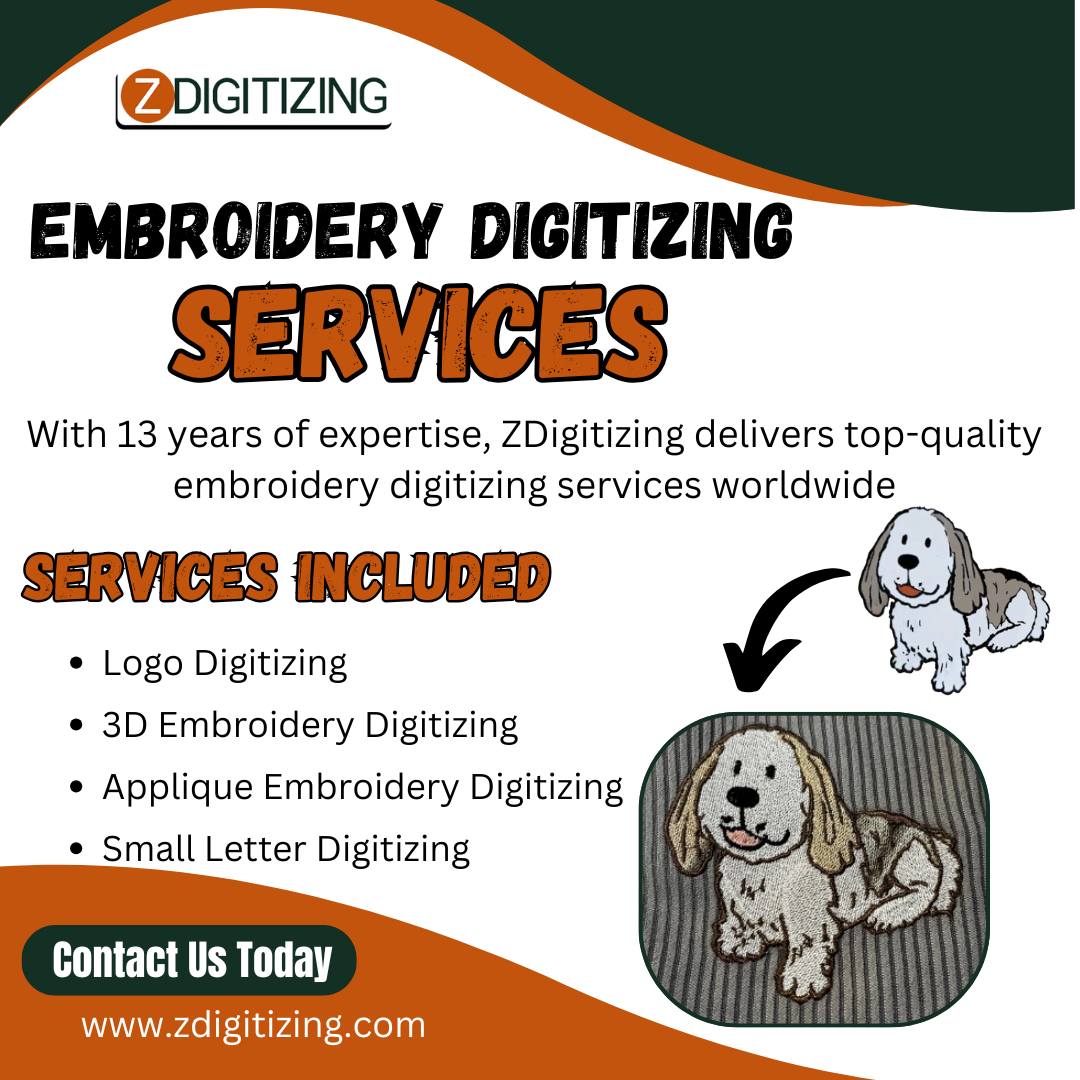
Embroidery digitizing is the technical process of converting artwork such as logos, text, or illustrations into a stitch file that embroidery machines can interpret. These files define stitch type, stitch direction, density, and sequencing so the design runs smoothly during production.
A properly digitized design produces clean outlines, balanced stitch coverage, and stable embroidery on different fabrics. In contrast, poorly digitized files often cause thread breaks, fabric distortion, and uneven stitching, leading to wasted materials and rework.
Why Professional Digitizing Services Matter
Modern embroidery machines rely entirely on accurate digitized files. Even high-end equipment cannot compensate for poorly prepared stitch data. Professional embroidery digitizing services help ensure designs perform well in real production environments.
High-quality digitizing contributes to consistent branding, efficient machine operation, reduced thread consumption, and longer garment life. This is especially important for businesses handling bulk orders, uniforms, or repeat logo production where consistency is essential.
Key Characteristics of the Best Embroidery Digitizing Services
Not all digitizing services provide the same level of accuracy or reliability. Experienced providers combine embroidery knowledge with technical skill to create machine-ready files that work across multiple fabrics and machines.
Important characteristics include experienced digitizers who understand stitch behavior, support for commonly used embroidery file formats, balanced stitch density to prevent puckering, and quality checks before delivery. Manual digitizing is also an important factor, as it allows precise control over stitch placement rather than relying on automated software output.
Types of Designs Professional Digitizers Can Handle
Skilled embroidery digitizing services can manage a wide range of design styles and complexities. These include corporate logos, text-based designs, monograms, 3D puff embroidery, appliqué work, chest logos, jacket back designs, and cap embroidery.
Each design type requires a different digitizing approach. For example, small text needs clean stitch sequencing, while caps require compensation for curved surfaces. Professional digitizers adjust stitch angles, underlay, and pull compensation based on the intended use.
Benefits of Outsourcing Embroidery Digitizing
Outsourcing digitizing allows embroidery businesses and designers to focus on production and customer service instead of file preparation. Professional digitizers deliver consistent, machine-tested files that reduce errors during stitching.
Key benefits include fewer production interruptions, lower risk of design issues, predictable results across repeat orders, and access to expert-level digitizing without maintaining an in-house team. This approach is cost-effective for both small businesses and larger operations.
How to Choose the Right Embroidery Digitizing Service
Selecting the right digitizing partner involves more than comparing prices. Reliability, communication, and technical understanding are equally important. A trustworthy service provider should offer design samples, allow reasonable revisions, and understand how different fabrics affect stitch behavior.
Clear communication and responsive support are also essential. A dependable digitizing service ensures designs are optimized before production, helping prevent costly mistakes on the embroidery machine.
The Role of Experience and Technology
While digitizing software is an important tool, experience remains the most valuable factor. Skilled digitizers understand how stitches interact with fabric, tension, and machine speed. They also perform quality checks to ensure files run smoothly in real embroidery conditions.
The best embroidery digitizing services combine updated software, practical embroidery knowledge, and consistent quality control to deliver dependable results for every order.
Final Thoughts
Choosing the right embroidery digitizing service directly impacts the quality and durability of embroidered products. Accurate digitizing leads to clean stitching, efficient production, and consistent branding across garments.
By focusing on experience, technical accuracy, and clear communication, businesses and designers can partner with a digitizing service that delivers reliable, professional embroidery files every time.
Frequently Asked Questions (FAQs)
Q1: What file formats do embroidery digitizing services usually provide?
Most professional services offer common formats compatible with major embroidery machines, such as DST, PES, EXP, JEF, and VP3.
Q2: Is manual digitizing better than auto-digitizing?
Yes. Manual digitizing allows greater control over stitch placement, density, and sequencing, resulting in cleaner embroidery and fewer production issues.
Q3: Can one digitized file work on different fabrics?
Not always. Different fabrics may require adjustments in stitch density, underlay, and compensation. Professional services optimize files based on fabric type.
Q4: How long does embroidery digitizing usually take?
Turnaround time depends on design complexity, but professional services typically deliver files within a short timeframe while maintaining quality standards.