
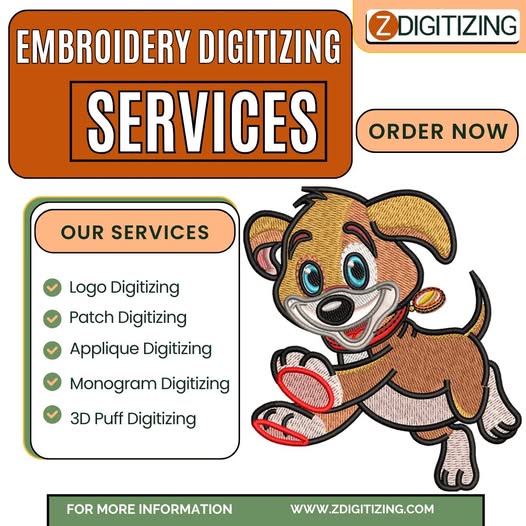
Professional embroidery relies on far more than fabric quality or thread selection. One of the most critical factors behind clean, durable, and production-ready embroidery is professional embroidery digitizing. Digitizing is the process of converting artwork into a stitch file that embroidery machines can accurately read and execute. When this process is handled by skilled professionals, it ensures reliable results across different machines, fabrics, and production runs.
Professional embroidery digitizing services are widely used by apparel brands, embroidery businesses, promotional product suppliers, and organizations that require consistent and accurate embroidery. Whether the design is a simple logo or detailed artwork, expert digitizing plays a key role in ensuring the final stitched output meets professional standards.
What Is Embroidery Digitizing?
Embroidery digitizing is a specialized technical process, not a simple file conversion. It involves manually programming stitch paths so embroidery machines know exactly how to stitch a design. A professional digitizer carefully determines stitch types, stitch direction, density, sequencing, and underlay based on the artwork and intended fabric.
Proper digitizing allows embroidery designs to maintain their proportions, stitch smoothly with minimal thread breaks, adapt to different materials, and remain clean on both the front and back of the fabric. Without professional digitizing, even advanced embroidery machines can produce inconsistent or flawed results.
Why Professional Embroidery Digitizing Services Matter
Professional embroidery digitizing services provide accuracy that automated software cannot consistently achieve. Embroidery involves physical movement, fabric tension, and thread behavior, all of which must be accounted for during digitizing.
Some of the key advantages include improved stitch clarity, reduced embroidery errors, and optimized performance on various fabric types such as cotton, polyester blends, caps, and outerwear. Professionally digitized files also reduce thread waste, machine downtime, and production delays, making them more cost-effective over time.
When designs are digitized correctly from the start, embroidery businesses experience fewer rejections and rework, leading to smoother workflows and higher customer satisfaction.
The Role of Expertise in Embroidery Digitizing
Experienced embroidery digitizers combine technical knowledge with hands-on production understanding. They know how stitch angles influence the way light reflects on embroidery, how stitch density affects fabric stability, and how underlay stitching supports design structure.
A professional digitizer carefully evaluates stitch selection, balances density to avoid stiffness or gaps, plans stitch sequencing to prevent misalignment, and applies compensation techniques to counter fabric movement. Clean stitch pathing is also essential to minimize unnecessary trims and jump stitches, resulting in efficient machine operation.
These decisions require practical experience and cannot be fully replicated by automated digitizing tools, especially for logos, small text, or detailed designs.
Who Benefits from Professional Embroidery Digitizing Services?
Professional digitizing services are used across many industries and applications. Apparel brands rely on them for consistent branding, embroidery businesses use them to meet client expectations, and promotional companies depend on them for repeatable quality.
Designers, artists, sports teams, and organizations also benefit from digitized files that are optimized for embroidery rather than print. Any project that requires accurate stitching, durability, and repeat production gains value from professional digitizing.
Common Problems Solved by Professional Digitizing
Many embroidery issues originate at the digitizing stage rather than during machine operation. Poor digitizing often leads to distorted logos, uneven lettering, thread buildup, and coverage issues on textured or dark fabrics.
Professional embroidery digitizing services address these problems by ensuring proper stitch placement, balanced density, and clean outlines. This reduces trimming, thread breaks, and wasted materials, making embroidery production more reliable and efficient.
Customization and File Optimization
Professional digitizing services offer flexibility that supports different embroidery needs. Designs can be resized, adjusted for specific garments, or modified for specialty embroidery techniques without compromising quality.
Digitized files are typically delivered in multiple machine-compatible formats and can be refined through revisions when needed. This adaptability allows the same design to be used across various products and production setups.
Long-Term Value of Professional Digitizing
High-quality digitized embroidery files are long-term assets. Once created correctly, they can be reused for future orders, scaled for different garment sizes, and archived for consistent branding.
Over time, professional digitizing contributes to reduced production costs, faster turnaround times for repeat projects, and dependable embroidery results. This consistency builds trust and supports long-term business growth.
Final Thoughts
Professional embroidery digitizing services play a critical role in producing reliable, clean, and durable embroidery. By converting artwork into carefully planned stitch files, experienced digitizers ensure designs perform well across fabrics and machines. For businesses and individuals seeking dependable embroidery quality, professional digitizing is a practical and essential step.
Frequently Asked Questions (FAQs)
What file formats are commonly provided in professional embroidery digitizing?
Professional digitizing services usually provide files compatible with major embroidery machines, ensuring smooth production across different setups.
Can a digitized embroidery file be reused for future orders?
Yes, high-quality digitized files can be reused, resized, and adjusted for repeat projects without loss of quality.
Why does auto-digitizing often produce poor embroidery results?
Auto-digitizing does not account for fabric behavior, stitch sequencing, or thread tension, which often leads to stitching problems.
How long does professional embroidery digitizing take?
Turnaround time varies depending on design complexity, but professionally digitized files are created with accuracy to prevent future production issues.
