Pre Purchase Vehicle Inspection:
When considering buying a vehicle or a horsebox, ensuring its condition before making a purchase is essential. Pre-purchase inspections provide an in-depth assessment of the vehicle’s mechanical, structural, and cosmetic state. However, many buyers often wonder how long such inspections take and what factors influence their duration.
Understanding Pre-Purchase Vehicle Inspections
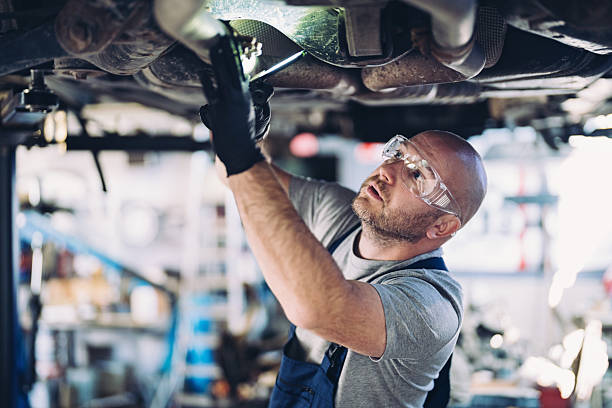
A pre-purchase vehicle inspection is a comprehensive evaluation of a car, van, or truck before the final purchase. The inspection aims to uncover hidden problems that may not be apparent during a test drive or casual observation. A qualified mechanic or inspection service checks key components such as the engine, transmission, brakes, suspension, electrical systems, and bodywork.
The average time for a standard car inspection generally ranges from 60 minutes to 2 hours, depending on the vehicle’s size, complexity, and age. Older or high-mileage vehicles may require more thorough scrutiny, which could extend the duration.
Factors That Affect Vehicle Inspection Time
Vehicle Type and Size
Smaller cars and standard passenger vehicles usually take less time to inspect compared to larger vans or commercial vehicles. Vehicles with complex systems, hybrid or electric engines, and advanced safety technology require additional attention, which increases inspection time.
Inspection Depth
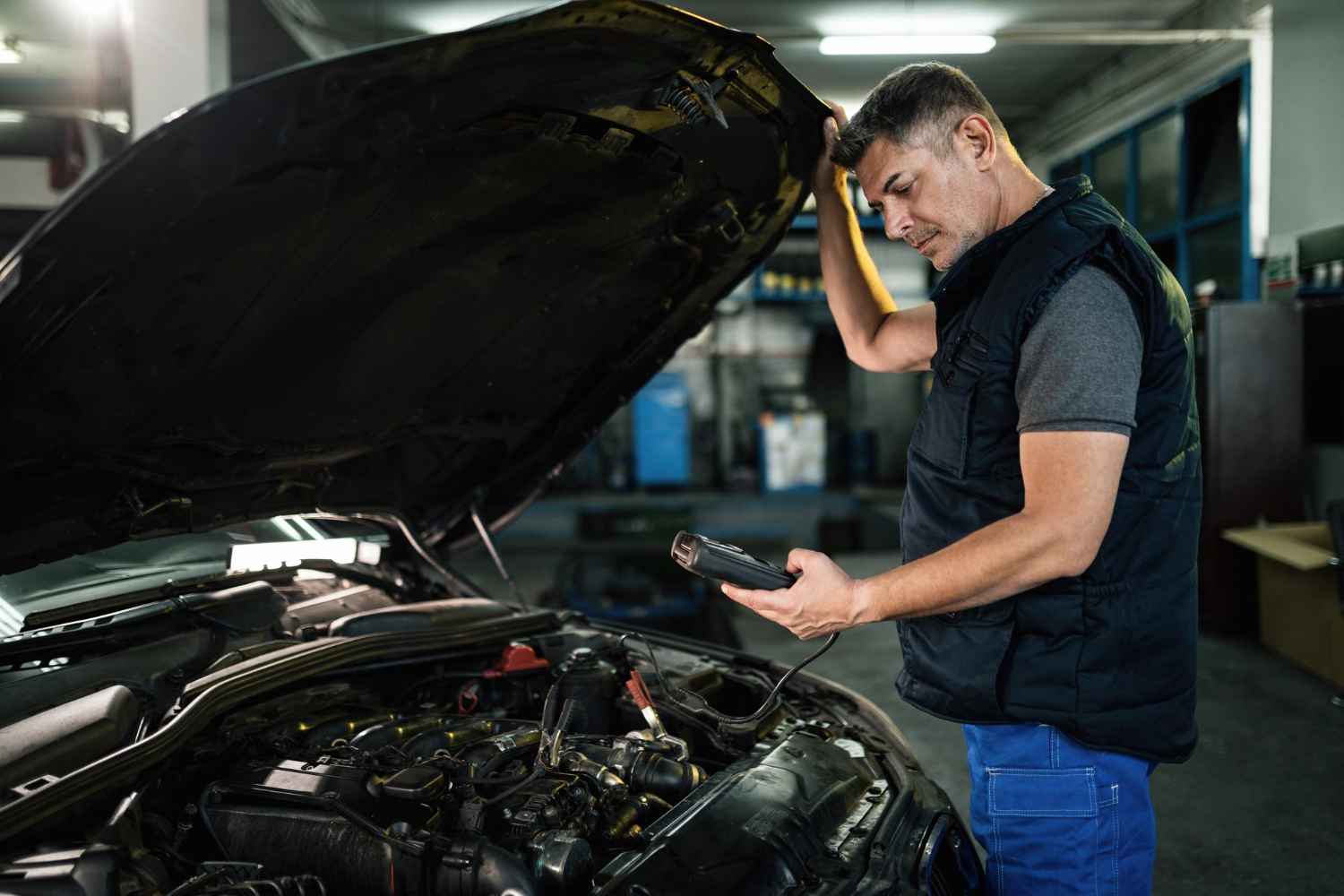
The depth of the inspection significantly affects the time it takes. A basic visual check may take less than an hour, while a detailed inspection that includes road testing, diagnostic scanning, and structural analysis can take two hours or more. Some buyers also request additional tests such as fluid analysis, which may further extend the duration.
Condition of the Vehicle
Vehicles in poor condition with visible wear, previous accident repairs, or neglected maintenance may require extra time to thoroughly evaluate all components. Inspectors need to investigate unusual noises, worn-out parts, or hidden rust, which adds to the overall inspection time.
Availability of Documentation
Providing complete service history, MOT records, and repair documentation can speed up the process. When documentation is missing, inspectors may need to spend additional time verifying repairs or assessing the quality of previous maintenance work.
Understanding Horsebox Inspections
Horseboxes, being specialized vehicles designed for transporting horses, require more detailed inspections than standard vehicles. Pre-purchase horsebox inspections include not only the engine, chassis, and mechanical systems but also the interior living areas, horse stalls, ramps, and ventilation systems. Safety features such as partitions, tie rings, and floor strength are crucial for animal welfare.
A typical horsebox inspection can take 2 to 4 hours, depending on the type of horsebox, its condition, and the level of detail requested. Larger or luxury horseboxes with living quarters and additional amenities may require even longer inspections.
Factors Influencing Horsebox Inspection Duration
Size and Type of Horsebox
A small, single-horse trailer will generally take less time to inspect than a large multi-horse box or a truck-mounted horsebox. Larger units have more mechanical systems and living areas that need thorough evaluation.
Complexity of Features
Horseboxes with built-in kitchens, sleeping quarters, or hydraulic ramps add complexity to the inspection. Each system must be checked to ensure it functions correctly and safely, extending the duration of the assessment.
Animal Safety Considerations
Inspectors pay close attention to areas that affect the safety and comfort of horses. Flooring, partitions, ventilation, and secure fittings are carefully examined. Any issues in these areas require detailed inspection and documentation, increasing the time needed.
Previous Usage and Maintenance
Horseboxes that have been heavily used or poorly maintained require a more detailed inspection. Signs of wear, corrosion, and previous modifications are closely examined to ensure the vehicle is safe for both road travel and horse transport.
Preparing for a Pre-Purchase Inspection
Proper preparation can help reduce the time taken for inspections and ensure a more efficient process.
Gather Documentation:
Provide maintenance records, MOT certificates, and service history.
Ensure Accessibility:
Make the vehicle or horsebox easily accessible, with all keys and systems operational.
Clarify Inspection Scope:
Discuss with the inspector whether you want a basic check, a detailed mechanical inspection, or additional specialized testing.
Schedule Adequate Time:
Allocate sufficient time to avoid rushing, especially horsebox inspections, which are more detailed.
Road Testing During Inspections
For both cars and horseboxes, road testing is a crucial part of the inspection. This helps identify issues with suspension, steering, braking, and engine performance. A road test usually takes 20 to 40 minutes, but larger horseboxes may require longer test drives to assess handling and stability under load.
Conclusion:
By understanding what the inspection entails and preparing in advance, buyers can ensure a thorough assessment, make informed decisions, and avoid costly mistakes in the future. Investing time in a proper inspection is a small price to pay for long-term safety, reliability, and peace of mind.