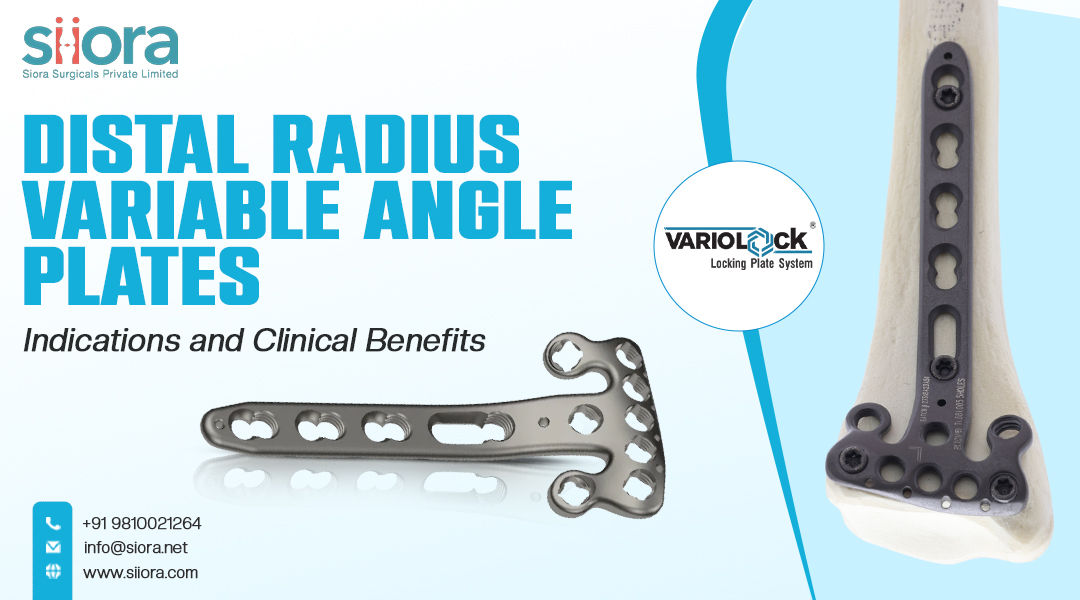
Distal radius fractures are among the most common upper extremity injuries, often from falls on an outstretched hand. While simple breaks might heal with casting, complex ones demand surgical fixation. That’s where distal radius variable angle plates (VA plates) come in—low-profile volar implants that let surgeons lock screws at custom angles up to 15° off-center. They beat fixed-angle plates by adapting to irregular bone fragments, making them a favorite for tricky wrist cases.
Primary Indications
VA plates shine in fractures where precision trumps rigidity:
Complex Intra-Articular Fractures (AO/OTA 23-C2/C3)
These involve joint surface splits, like die-punch or volar rim fragments. Fixed plates force screws into preset paths that might miss subchondral bone or poke the joint. VA designs let surgeons fan screws into dorsal-ulnar pieces or under the lunate fossa, buttressing the articular surface perfectly. No more supplemental K-wires—union rates hit 95%+ with anatomical reduction.
Extra-Articular but Unstable Patterns (AO/OTA 23-A2/A3)
High-energy dorsally comminuted breaks or metaphyseal wedges benefit from VA flexibility. Screws target dense volar cortex while avoiding dorsal comminution voids, restoring volar tilt and radial height without plate hikes.
Osteotomies and Revisions
Corrective cuts for malunions or Kienbock’s-related deformities need exact contouring. VA plates hug the radius’s bow, with angular freedom for graft support or hardware swaps in failed cases.
Osteoporotic or High-Risk Bone
Elderly patients’ spongy trabeculae demand divergent screws for grip. VA systems boost pull-out resistance, slashing loosening in poor stock.
Clinical Benefits Backed by Data
Studies paint a clear picture: VA plates edge out fixed-angle rivals.
Superior Alignment and Stability
Radiographic wins are big—better volar tilt (8-10° vs 5-7°), radial height (12-14 mm preserved), and ulnar variance. Mayo and QuickDASH scores favor VA (80 vs 70 at one year), with grip strength rebounding 85-90% normal by six months. Flexion/extension hits 120/50°, abduction/adduction full range.
Biomechanically, the conical locking matches fixed stiffness but adds fragment-specific hold, cutting micromotion and promoting direct healing sans grafts.
Fewer Complications
Tendon ruptures? Rare under 3% thanks to low profiles distal to watershed lines. Irritation drops with screw paths dodging FPL/FDS. Hardware removal? Half the rate of fixed plates (5% vs 10%).
Shorter ops (45-55 min) from less plate juggling, though fluoro time ticks up slightly for perfect angles. No Z-effect—screws stay put.
Quicker Recovery and Satisfaction
Patients rave: back to desk by four weeks, light duties by eight. Athletes return to sports 20% faster. Elderly folks walk unaided sooner, cutting rehab costs.
In C2/C3 patterns or styloid/die-punch combos, VA nails selective use—fix unstable bits angularly while shaft screws stay standard.
When to Choose VA Over Fixed?
Fixed plates win simples (A2 extra-articular); variable angle plates own complexes (C2/3, rim, osteoporotic). Costlier upfront (20% premium), but revisions save long-term bucks.
Bottom line
VA distal radius plates transform unstable wrists into stable healers. Surgeons pick them for control in chaos, patients love the function—quicker motion, stronger grips, fewer woes. In high-stakes volar fixes, they’re the smart, adaptable trauma implants of choice.