In today’s rapidly evolving digital landscape, businesses face unprecedented challenges in managing customer relationships, streamlining operations, and maintaining competitive advantage. The integration of sophisticated technology platforms has become essential for organizations seeking to optimize their processes and drive sustainable growth. Modern enterprises require comprehensive systems that can handle everything from customer interactions to supply chain management, financial operations to human resources coordination.
The Foundation of Digital Transformation
Digital transformation is no longer optional for businesses aiming to thrive in competitive markets. Companies must adopt integrated platforms that provide real-time visibility into operations, enable data-driven decision-making, and facilitate seamless collaboration across departments. CRM & ERP solutions represent the cornerstone of this transformation, offering unified platforms that break down organizational silos and create cohesive operational frameworks.
These integrated systems have evolved significantly from their origins as simple database management tools. Today’s platforms incorporate artificial intelligence, machine learning, and advanced analytics to provide predictive insights and automate routine tasks. They enable businesses to respond quickly to market changes, anticipate customer needs, and optimize resource allocation across the entire organization.
Understanding Integrated Business Systems
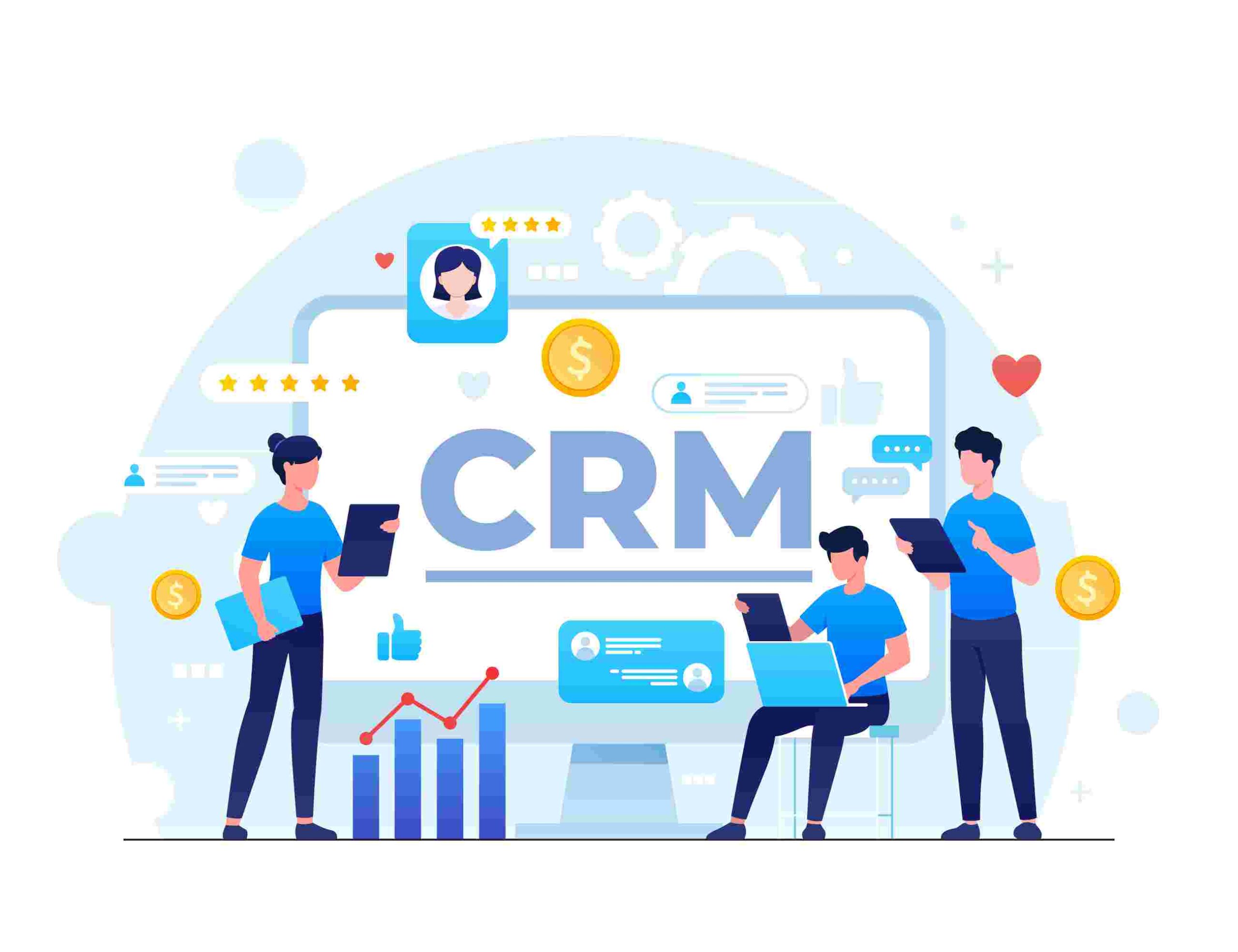
Customer Relationship Management systems focus primarily on managing interactions with current and potential customers. They track sales pipelines, marketing campaigns, customer service interactions, and provide valuable insights into customer behavior patterns. Enterprise Resource Planning systems, on the other hand, concentrate on internal business processes including finance, manufacturing, supply chain, human resources, and project management.
When these two powerful systems work in harmony, businesses gain unprecedented control over their operations. CRM & ERP solutions create a single source of truth for organizational data, eliminating redundancies and ensuring consistency across all business functions. This integration enables seamless information flow from customer-facing teams to back-office operations, creating a unified view of business performance.
Key Benefits of Integrated Systems
The implementation of comprehensive business management platforms delivers numerous advantages. First and foremost is operational efficiency. By automating routine tasks and standardizing processes, organizations can significantly reduce manual effort and minimize errors. Employees spend less time on administrative tasks and more time on strategic activities that drive business value.
Enhanced visibility represents another critical benefit. Managers gain real-time access to key performance indicators across all business functions, enabling faster and more informed decision-making. Whether tracking sales performance, monitoring inventory levels, or analyzing financial metrics, leaders can access the information they need when they need it.
Customer satisfaction improves dramatically when organizations implement CRM & ERP solutions effectively. Sales teams have complete visibility into customer history, preferences, and previous interactions. Support teams can quickly access order information and resolve issues efficiently. Marketing teams can segment audiences precisely and deliver personalized campaigns based on comprehensive customer data.
Features That Drive Business Success
Modern business management platforms offer extensive functionality designed to address diverse organizational needs. Customer relationship features include contact management, opportunity tracking, sales forecasting, marketing automation, and customer service ticketing. These capabilities enable businesses to manage the entire customer lifecycle from initial contact through ongoing relationship development.
On the enterprise resource planning side, features typically encompass financial management, inventory control, supply chain optimization, human capital management, and business intelligence. Manufacturing organizations benefit from production planning, quality management, and maintenance scheduling capabilities. Service-based businesses leverage project management, time tracking, and resource allocation tools.
The most powerful aspect of integrated CRM & ERP solutions is their ability to connect these disparate functions into a cohesive system. When a sales representative closes a deal, the system automatically triggers procurement processes, updates inventory projections, and adjusts financial forecasts. This seamless integration eliminates manual data entry, reduces errors, and accelerates business processes.
Implementation Considerations
Successful deployment of comprehensive business management systems requires careful planning and execution. Organizations must begin by clearly defining their business objectives and identifying specific pain points they aim to address. This assessment helps determine which features and modules will deliver the greatest value.
Change management represents a critical success factor. Employees must understand not just how to use new systems but why they matter. Comprehensive training programs, ongoing support, and clear communication from leadership help ensure user adoption and maximize return on investment.
Data migration presents another significant challenge. Organizations often have information scattered across multiple legacy systems, spreadsheets, and databases. Cleaning, consolidating, and migrating this data requires significant effort but is essential for realizing the full benefits of integrated platforms.
Cloud-Based vs On-Premises Deployment
Modern businesses must choose between cloud-based and on-premises deployment models. Cloud solutions offer numerous advantages including lower upfront costs, automatic updates, scalability, and accessibility from anywhere with internet connectivity. These platforms typically use subscription-based pricing models that align costs with actual usage.
On-premises deployments provide greater control over data and customization options. Some organizations, particularly those in highly regulated industries, prefer keeping sensitive information within their own infrastructure. However, on-premises solutions require significant capital investment and ongoing maintenance costs.
Many organizations now adopt hybrid approaches, keeping certain sensitive data on-premises while leveraging cloud capabilities for other functions. This flexibility allows businesses to balance control, cost, and functionality based on their specific requirements.
Future Trends and Innovations
The evolution of business management platforms continues at a rapid pace. Artificial intelligence and machine learning increasingly enable predictive analytics, automated decision-making, and intelligent process automation. These technologies help businesses anticipate customer needs, optimize operations, and identify opportunities before competitors.
Mobile capabilities have become standard, enabling employees to access critical information and perform key tasks from smartphones and tablets. This mobility empowers field sales representatives, service technicians, and remote workers to remain productive regardless of location.
Integration with Internet of Things devices creates new possibilities for real-time monitoring and automated responses. Manufacturing equipment can signal maintenance needs, inventory systems can automatically reorder supplies, and customer products can provide usage data that drives service improvements.
Conclusion
The digital business landscape demands sophisticated technology platforms that provide comprehensive control over operations. Organizations that successfully implement integrated systems gain significant competitive advantages through improved efficiency, enhanced visibility, and superior customer experiences. As technology continues to evolve, these platforms will become even more powerful, incorporating artificial intelligence, advanced analytics, and seamless connectivity across the entire business ecosystem. Companies that invest in robust, scalable solutions today position themselves for long-term success in an increasingly digital world.