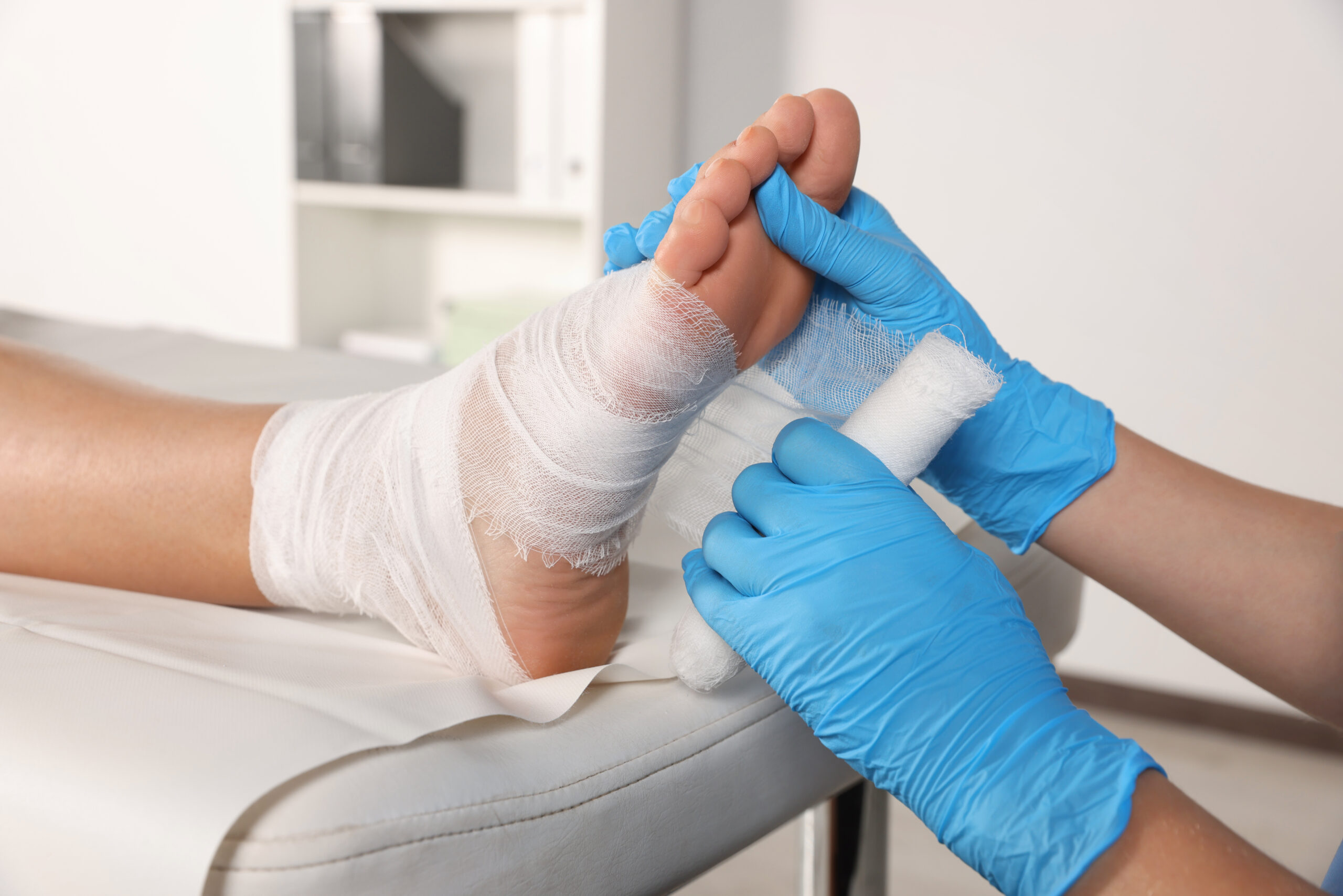
Managing chronic wounds requires consistent care, attention, and the right techniques to prevent infection and promote healing. Wound Dressing at Home for chronic wounds allows patients to maintain regular care in a familiar environment, reducing the need for frequent hospital visits. Chronic wounds, such as diabetic ulcers, pressure sores, or venous ulcers, require specialized care to avoid complications and encourage tissue repair. By following best practices, patients and caregivers can ensure safe and effective wound management while supporting overall health and comfort.
Understanding Chronic Wounds:
Chronic wounds are injuries that do not heal within a typical timeframe, often due to underlying health conditions like diabetes, poor circulation, or immune deficiencies. Proper home care plays a key role in preventing further complications. Key points to understand include:
- Chronic wounds require consistent monitoring and care
- They are more susceptible to infections and delayed healing
- Regular dressing changes are critical for optimal outcomes
- Home care should be tailored to the specific type and severity of the wound
Understanding the nature of chronic wounds helps caregivers provide more effective and personalized home treatment.
Essential Supplies for Chronic Wound Care:
Having the right supplies is crucial for maintaining hygiene and protecting chronic wounds at home. Using sterile and suitable materials reduces infection risk and supports healing. Common supplies include:
- Sterile gauze pads or non-stick dressings
- Hydrocolloid, foam, or alginate dressings for moisture management
- Antiseptic solutions or sterile saline for gentle cleaning
- Disposable gloves and medical tape
- Scissors, tweezers, and proper waste disposal bags
Organizing and maintaining these supplies ensures safe and efficient wound care at home.
Preparing the Wound for Dressing:
Proper preparation is a critical step for preventing infection and facilitating healing. Begin by washing hands thoroughly and putting on disposable gloves. Gently remove old dressings without disturbing new tissue. Clean the wound with sterile saline or an antiseptic solution and inspect for signs of infection. Key preparation steps include:
- Washing hands thoroughly and wearing gloves
- Gently cleaning the wound and surrounding skin
- Removing old dressing carefully
- Preparing all necessary supplies before starting
Proper preparation sets the foundation for effective wound dressing at home.
Applying Dressings Correctly:
Correct application of dressings ensures the wound remains protected, clean, and comfortable. Using the right technique is essential for chronic wounds, which are often sensitive and slow to heal. Guidelines include:
- Selecting a dressing suitable for the wound’s moisture level and size
- Avoiding direct contact of adhesive with open tissue
- Securing the dressing without restricting circulation
- Ensuring full coverage and stability during daily activities
Proper application helps maintain an optimal healing environment and reduces the risk of complications.
Dressing Change Frequency and Monitoring:
Chronic wounds require regular monitoring and timely dressing changes. The frequency depends on the type of dressing, wound condition, and healthcare guidance. Important practices include:
- Changing dressings when wet, soiled, or as recommended
- Inspecting the wound for signs of infection, discharge, or odor
- Monitoring the wound size and healing progress
- Recording observations to track healing over time
Regular monitoring allows caregivers to detect issues early and adjust care appropriately.
Managing Infection Risk:
Chronic wounds are prone to infections, which can significantly delay healing. Strict hygiene and careful handling are essential to reduce risks. Key precautions include:
- Using sterile gloves and tools during each dressing change
- Keeping the wound and surrounding area clean
- Avoiding reuse of dressings or contaminated supplies
- Watching for redness, swelling, pus, or unusual odor
Preventing infection is a cornerstone of successful chronic wound management at home.
Supporting Healing Through Lifestyle:
Overall health, nutrition, and lifestyle habits play a critical role in the healing of chronic wounds. Supporting the body’s natural repair mechanisms enhances recovery and reduces complications. Recommendations include:
- Eating a balanced diet rich in protein, vitamins, and minerals
- Staying hydrated to maintain skin elasticity and tissue repair
- Engaging in gentle movement or physical therapy as recommended
- Maintaining blood sugar levels and managing underlying health conditions
Healthy habits complement wound dressing at home and improve long-term outcomes.
Avoiding Common Mistakes:
Even with proper supplies, mistakes in home wound care can hinder healing. Awareness of common errors helps ensure safe and effective care. Common mistakes include:
- Using non-sterile or inappropriate dressings
- Changing dressings too frequently or infrequently
- Applying adhesives directly on open tissue
- Ignoring early signs of infection
Avoiding these errors reduces the risk of complications and supports a smoother recovery process for chronic wounds.
Final Thoughts:
Wound Dressing at Home for chronic wounds requires a careful combination of proper supplies, hygiene, monitoring, and lifestyle support. By understanding the nature of chronic wounds, selecting the right dressings, applying them correctly, and maintaining strict hygiene, patients and caregivers can manage wounds effectively in a home setting. Regular monitoring, timely intervention for infections, and healthy lifestyle practices further enhance healing and comfort. Following these best practices ensures safer, more efficient, and effective home wound care for chronic conditions.