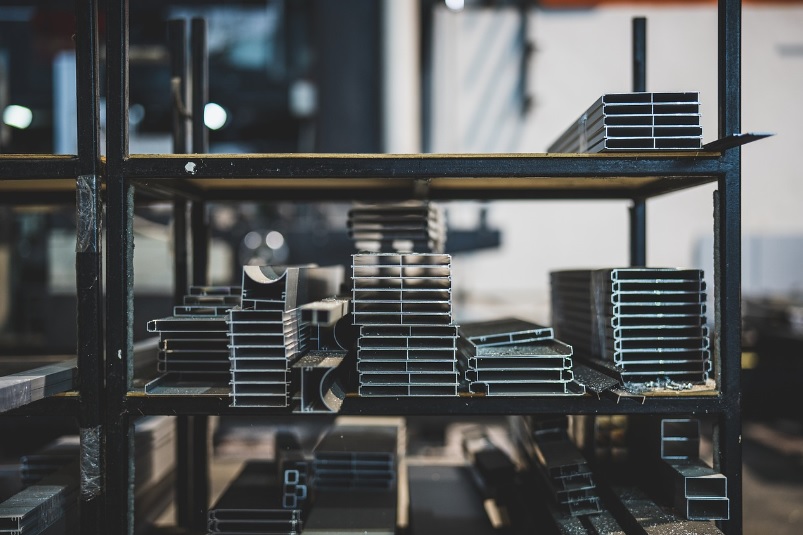
Maintaining stainless steel surfaces is essential for both aesthetic appeal and longevity. Whether in commercial kitchens, residential spaces, or industrial settings, stainless steel stands out for its durability, corrosion resistance, and sleek finish. In Singapore, where humidity and occasional salty air can affect metals, proper care becomes even more crucial. In this guide, we will explore effective ways to maintain stainless steel surfaces in Stainless Steel Singapore, ensuring your investments last longer while staying visually appealing.
Why Is Proper Maintenance Important for Stainless Steel Surfaces?
Maintaining stainless steel surfaces prevents corrosion, stains, and unsightly marks that can compromise their appearance. Even though stainless steel is resistant to rust, environmental factors such as moisture, chemical cleaners, and salty air can cause pitting or discoloration over time. Businesses and homeowners in Stainless Steel Singapore rely on stainless steel for countertops, appliances, and industrial equipment. Without proper care, surfaces can lose their polished finish, leading to higher replacement costs and potential hygiene issues, especially in kitchens or food-processing areas.
Kian Huat Metal Pte Ltd emphasizes that regular cleaning and preventive maintenance extend the lifespan of stainless steel, protecting both its aesthetic and functional value. By understanding how to maintain these surfaces, you can preserve the natural shine and strength of your stainless steel installations.
What Are the Common Issues Affecting Stainless Steel Surfaces?
Before diving into maintenance techniques, it’s essential to recognize common problems that stainless steel surfaces may encounter:
- Fingerprints and Smudges: Stainless steel shows fingerprints easily, especially on polished finishes. This can make surfaces appear dirty even if they are clean.
- Water Spots: Hard water can leave mineral deposits on stainless steel surfaces, creating white marks.
- Scratches: Using abrasive cleaning materials can scratch the surface, dulling the finish.
- Corrosion and Rust: Although rare, stainless steel can corrode if exposed to harsh chemicals, salty air, or improper cleaning methods.
Understanding these issues helps in selecting the right cleaning products and techniques to maintain your stainless steel surfaces effectively.
How Can You Clean Stainless Steel Surfaces Safely?
Safe cleaning begins with choosing the right products and tools. Harsh chemicals and abrasive pads can damage stainless steel, so it’s essential to follow these steps:
- Use Mild Cleaning Solutions: Mild dish soap mixed with warm water works well for everyday cleaning. Avoid chlorine-based cleaners, bleach, or strong acids.
- Soft Cloths and Sponges: Microfiber cloths or soft cotton cloths prevent scratching while effectively removing dirt and smudges. Avoid steel wool or rough scrubbers.
- Clean With the Grain: Stainless steel surfaces have a grain, which is the direction of the finish. Cleaning along the grain prevents scratches and maintains the polished look.
- Rinse and Dry: After cleaning, rinse the surface with clean water and dry it with a soft cloth to prevent water spots.
By following these simple steps, you can prevent damage while keeping your stainless steel looking new and shiny.
What Are the Best Practices for Polishing Stainless Steel?
Polishing is essential for maintaining the luster of stainless steel surfaces. It not only improves appearance but also provides a protective layer against fingerprints and minor stains. Consider the following methods:
- Commercial Stainless Steel Polish: Use a polish recommended for stainless steel surfaces in Singapore. These products are designed to enhance shine without causing scratches.
- Natural Alternatives: Olive oil or mineral oil can be applied sparingly to polish and protect stainless steel. Simply rub a small amount on a soft cloth and buff the surface.
- Avoid Excessive Polishing: Over-polishing can create streaks or a greasy appearance. Apply the polish evenly and sparingly for the best results.
Kian Huat Metal Pte Ltd suggests regular polishing, especially for frequently touched surfaces, as part of a maintenance routine. This not only keeps the stainless steel looking pristine but also reduces cleaning frequency in the long run.
How Do You Prevent Corrosion and Rust on Stainless Steel?
Even though stainless steel is highly resistant to corrosion, preventive measures are crucial, especially in Stainless Steel Singapore, where coastal environments and humidity levels can be high. Here are practical steps to prevent corrosion:
- Avoid Harsh Chemicals: Keep surfaces away from bleach, ammonia, or acidic cleaners.
- Regular Cleaning: Frequent cleaning prevents buildup of salt, grease, or other substances that can cause rusting over time.
- Dry Immediately: After cleaning, dry surfaces to remove moisture, which can lead to water spots or corrosion.
- Use Protective Coatings: For industrial or outdoor stainless steel, protective wax or coatings can create an extra barrier against environmental factors.
By taking these precautions, stainless steel can remain rust-free and maintain its durability for decades.
Can You Maintain Stainless Steel Surfaces at Home?
Yes, maintaining stainless steel surfaces at home is simple if you follow consistent practices. Start with daily cleaning using mild soap and water. Address smudges, fingerprints, and water spots immediately. For kitchen appliances, avoid leaving acidic substances such as vinegar or lemon juice on the surface for extended periods.
For high-use areas like kitchen countertops or sinks, polishing once every two weeks helps retain the shine and prevent buildup. Investing in quality cleaning tools, such as microfiber cloths and non-abrasive sponges, ensures that the surfaces are not accidentally scratched during cleaning.
How Does Regular Maintenance Benefit Businesses in Singapore?
For businesses in Stainless Steel Singapore, proper maintenance has multiple advantages:
- Hygiene Compliance: Regular cleaning and polishing keep surfaces hygienic, essential for restaurants, hospitals, and food-processing units.
- Professional Appearance: Shiny, well-maintained stainless steel enhances the professional image of your business.
- Cost Efficiency: Avoiding corrosion or damage reduces the need for costly replacements.
- Longevity of Equipment: Stainless steel appliances and machinery last longer with proper care, offering better ROI.
Kian Huat Metal Pte Ltd advises that commercial entities adopt a scheduled maintenance routine, ensuring both aesthetic and functional standards are consistently met.
What Are Common Mistakes to Avoid When Maintaining Stainless Steel?
Even experienced cleaners make mistakes that can compromise stainless steel surfaces. Common errors include:
- Using abrasive cleaners or steel wool.
- Cleaning against the grain, causing scratches.
- Allowing water spots or chemical residues to dry on the surface.
- Using excessive polish, leaving a greasy or streaky appearance.
Avoiding these mistakes ensures that your stainless steel surfaces remain flawless and long-lasting.
Conclusion: Maintaining Stainless Steel Surfaces Made Simple
Proper maintenance of stainless steel surfaces in Singapore is achievable with the right knowledge and tools. Regular cleaning, careful polishing, and preventive measures against corrosion can significantly extend the lifespan and appearance of stainless steel products. Whether for home kitchens, commercial establishments, or industrial applications, following these strategies ensures durability, hygiene, and aesthetic appeal.
Investing in quality stainless steel from trusted suppliers like Kian Huat Metal Pte Ltd ensures that your surfaces start with the best foundation, making maintenance simpler and more effective. By committing to consistent care, you not only protect your investment but also enjoy the unmatched elegance and functionality that stainless steel provides in Singapore’s climate.