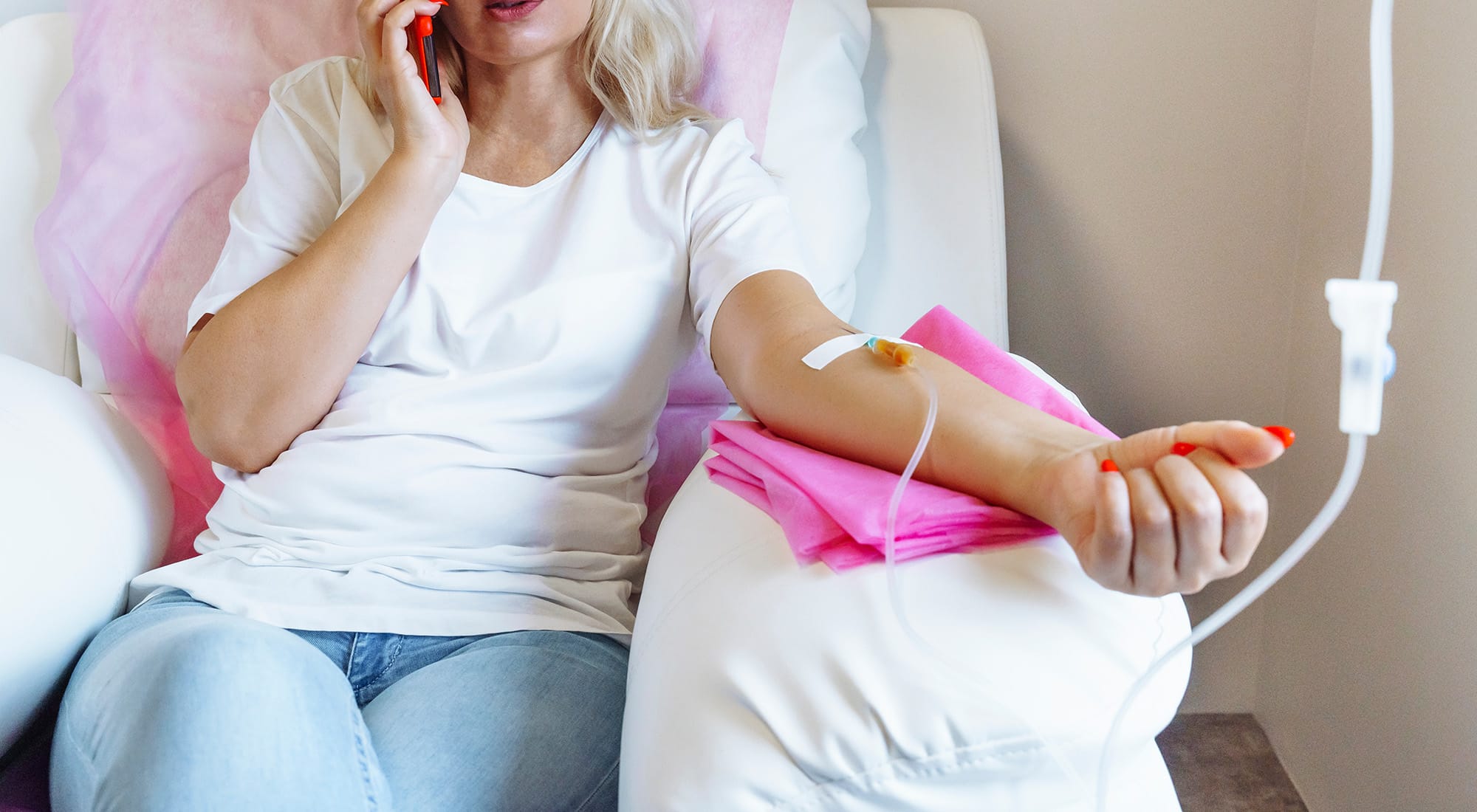
The convenience of modern healthcare has made it possible for patients to receive treatments outside hospital settings, and one service gaining attention is the Glucose Drip at Home. This therapy allows individuals to restore energy, hydration, and blood sugar levels under professional supervision in the comfort of their own home. Understanding how the service works—from booking to recovery—is essential for patients and caregivers to make informed decisions while ensuring safety and effectiveness.
How to Book a Home Glucose Drip Service:
Booking a glucose drip at home typically begins with a consultation with a qualified healthcare provider. The process involves assessing the patient’s medical condition, reviewing lab results, and determining whether IV glucose therapy is necessary. Patients can then schedule an appointment through licensed home healthcare providers. Key steps include:
- Consulting a doctor for prescription approval
- Contacting a reputable home healthcare service
- Scheduling a convenient date and time for the infusion
Professional guidance ensures that the therapy is appropriate and safely administered.
Pre-Session Preparations:
Before the infusion, patients and caregivers should prepare to ensure a smooth and safe experience. Healthcare professionals may provide instructions regarding diet, hydration, and medication adjustments. Important considerations include:
- Maintaining a clean, well-lit space for the procedure
- Having necessary medical documents ready
- Following fasting or fluid guidelines if instructed
Proper preparation reduces the risk of complications and allows the procedure to proceed efficiently.
What Happens During the Glucose Drip:
During the session, a trained nurse or licensed professional administers the glucose intravenously. The infusion process typically takes 30 minutes to a few hours depending on the patient’s needs. During this time, the nurse monitors vital signs, checks for adverse reactions, and ensures the infusion is delivered at the correct rate. Patients may experience a gradual boost in energy and hydration, providing relief from fatigue or dehydration.
Monitoring and Safety Measures:
Safety is a critical component of home glucose drip therapy. Professional supervision helps prevent common complications such as infection, fluid imbalance, or rapid blood sugar spikes. Standard monitoring protocols include:
- Checking vital signs before, during, and after infusion
- Ensuring IV site cleanliness and sterility
- Observing for any allergic reactions or discomfort
These measures provide reassurance that the treatment is both safe and effective.
Post-Infusion Care and Recovery:
After the infusion, patients may be advised to rest briefly and drink fluids as recommended. Home healthcare professionals often provide guidance on monitoring symptoms and recognizing any delayed side effects. Recovery typically involves:
- Observing for dizziness or nausea
- Monitoring blood sugar if required
- Following up with the healthcare provider if needed
Adhering to post-infusion instructions supports a smooth recovery and maximizes the benefits of therapy.
Benefits of Home Glucose Drip Services:
Home glucose drip services offer several advantages for patients who need short-term nutritional or energy support. Key benefits include:
- Comfort and convenience of receiving treatment at home
- Reduced exposure to hospital-acquired infections
- Personalized care from trained medical professionals
These advantages make it an attractive option for elderly patients, those with mobility issues, or individuals seeking minimal disruption to daily life.
Potential Risks and Precautions:
While generally safe under supervision, home glucose drips are not without risks. Patients should be aware of possible complications such as:
- IV site infection or irritation
- Blood sugar fluctuations
- Allergic reactions to the fluid solution
Understanding these risks emphasizes the importance of professional administration and adherence to recommended guidelines.
Who Should Consider Home Glucose Drip Services:
Not every patient requires intravenous glucose therapy at home. Those who may benefit include:
- Individuals with temporary dehydration or low energy
- Patients unable to maintain oral intake
- Elderly or mobility-limited patients
Conversely, patients with uncontrolled diabetes, severe kidney or heart conditions, or long-term nutritional deficiencies may need alternative medical supervision.
Final Thoughts
Home glucose drip services provide a convenient and professional way to restore energy and hydration without visiting a hospital. A Glucose Drip at Home can be effective when properly prescribed, administered by trained professionals, and combined with clear pre- and post-infusion guidance. Understanding the booking process, preparation steps, monitoring, and recovery ensures that patients receive maximum benefit while minimizing risks, making home therapy a safe and practical choice for the right individuals.