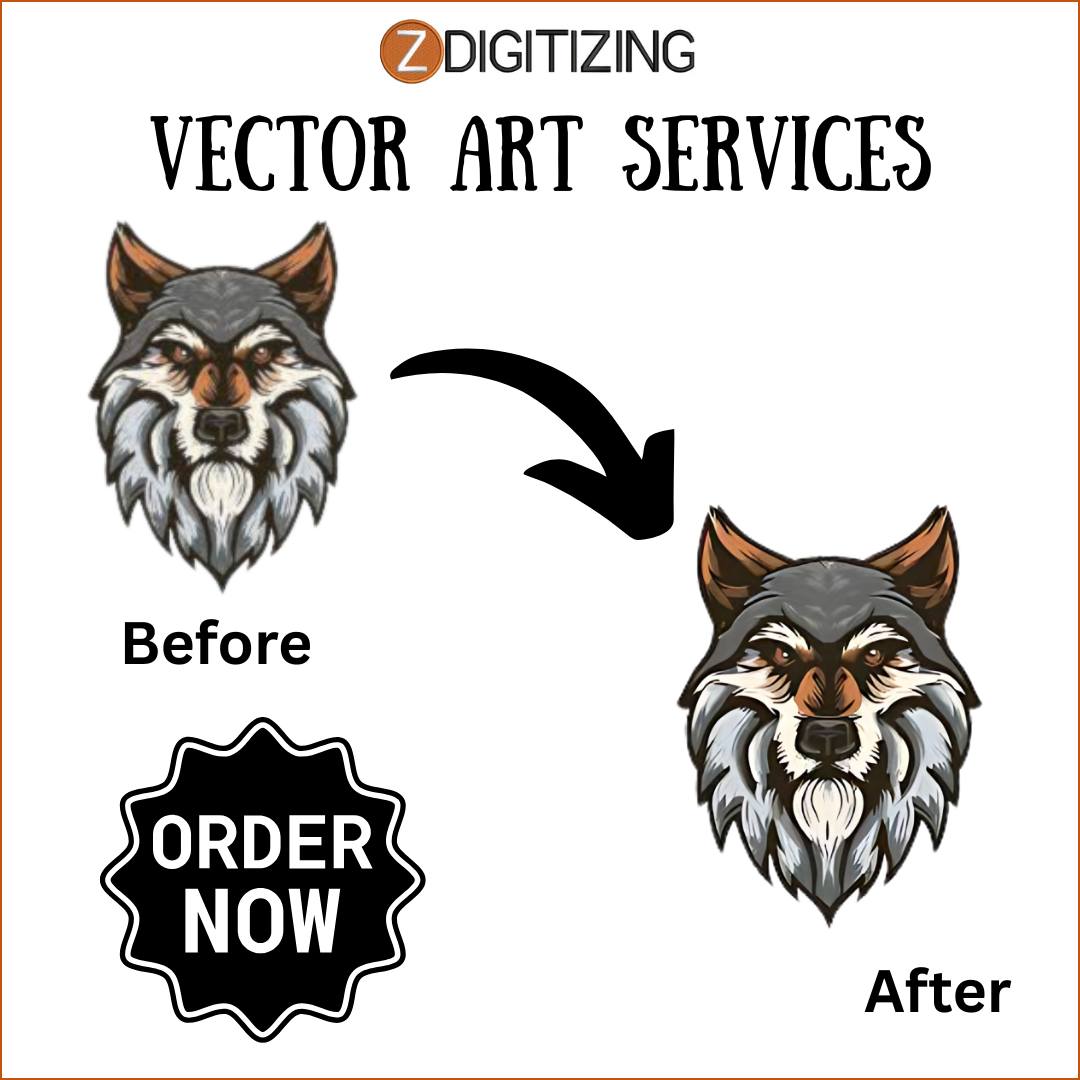
In modern digital and print design, vector art plays a critical role in maintaining quality and consistency. Businesses, designers, and production teams rely on vector graphics because they remain sharp and accurate at any size. Unlike raster images that lose clarity when resized, vector files are built using mathematical paths, making them suitable for logos, illustrations, apparel, packaging, and marketing assets.
Choosing best vector art services directly affects how designs perform across different platforms and production methods. Well-prepared vector artwork reduces technical issues, supports long-term brand use, and ensures smooth output for both digital and physical applications.
This guide explains what vector art services involve, why professional quality matters, and how to select a service provider that delivers dependable results.
What Are Vector Art Services?
Vector art services focus on creating or converting artwork into scalable vector formats. These services are commonly used for logo vectorization, raster-to-vector conversion, custom illustrations, and production-ready files for printing or embroidery. Skilled vector artists use professional design software to ensure accuracy, clean structure, and compatibility with industry standards.
Manual vector tracing is especially important, as automated tools often miss fine details or produce uneven paths. Experienced professionals carefully redraw artwork to achieve balanced lines, accurate colors, and correct proportions.
Why High-Quality Vector Art Is Important
High-quality vector artwork is essential for maintaining a professional visual identity. Low-quality conversions can lead to distorted shapes, uneven lines, and printing errors, which negatively impact branding and production efficiency.
Professionally created vector files offer scalability without quality loss, consistent appearance across platforms, and reliable performance in manufacturing workflows. They also minimize rework, saving time and resources during production.
Characteristics of Reliable Vector Art Services
Not all vector art services meet professional standards. The most reliable providers focus on accuracy, usability, and client requirements rather than speed alone.
Key characteristics include precise image conversion, attention to detail, correct color handling, and delivery in multiple file formats such as AI, EPS, SVG, and PDF. Clear communication and the ability to handle revisions are also indicators of a trustworthy service.
Industries That Use Vector Art Services
Vector art services support a wide range of industries that require scalable and production-ready designs. These services are commonly used in branding, printing, apparel decoration, packaging, and advertising.
Designs created in vector format allow businesses to reuse artwork across different materials and sizes without compromising quality. This flexibility is especially valuable for companies managing consistent branding across multiple channels.
Advantages of Using Professional Vector Artists
Working with professional vector artists offers more than basic file conversion. Experienced providers understand technical requirements for different outputs, whether for digital display, screen printing, or embroidery machines.
Benefits include improved clarity, optimized file structure, reduced file size, and consistent results across all applications. Professional services also ensure that artwork meets industry specifications, reducing the risk of production issues.
How to Choose the Right Vector Art Service Provider
Selecting the right provider requires careful evaluation. Reviewing a provider’s portfolio helps assess their experience with various design styles and industries. Clear pricing, defined revision policies, and dependable turnaround times are equally important.
A reliable service provider should be transparent, responsive, and capable of delivering files that meet both creative and technical expectations. Consistent quality and adherence to deadlines are strong indicators of long-term reliability.
Common Types of Vector Art Services
Most professional providers offer a range of vector-related solutions. These typically include logo vectorization, raster-to-vector conversion, custom illustrations, line art, and preparation of print-ready files. Having access to multiple services from one provider simplifies workflows and ensures consistency across projects.
Vector Art and Brand Consistency
Brand consistency depends on uniform visuals across all platforms. Vector artwork ensures logos and design elements maintain their structure and proportions, regardless of size or medium. This consistency strengthens brand recognition and supports professional presentation in both digital and printed materials.
Final Thoughts
Investing in professional vector art services is a practical decision for businesses and individuals who require scalable, accurate, and reusable designs. High-quality vector artwork supports efficient production, reduces errors, and maintains consistent branding over time.
By working with experienced service providers who focus on precision and reliability, you ensure your designs remain functional and adaptable for future needs. Vector art is not just a file format—it is a foundation for effective visual communication.
Frequently Asked Questions (FAQs)
1. What file formats are typically provided in vector art services?
Professional vector art services usually provide files in formats such as AI, EPS, SVG, and PDF, ensuring compatibility with print, web, and manufacturing processes.
2. Why is manual vector tracing better than auto-tracing?
Manual tracing allows artists to control line quality, curves, and details more accurately, resulting in cleaner and more reliable artwork compared to automated conversions.
3. Can vector art be used for both print and digital purposes?
Yes, vector artwork is suitable for both print and digital use because it scales without losing quality and adapts easily to different resolutions and sizes.
4. How long does it take to complete a vector art project?
Turnaround time depends on the complexity of the artwork and revision requirements, but professional services typically deliver within a clearly defined timeframe.