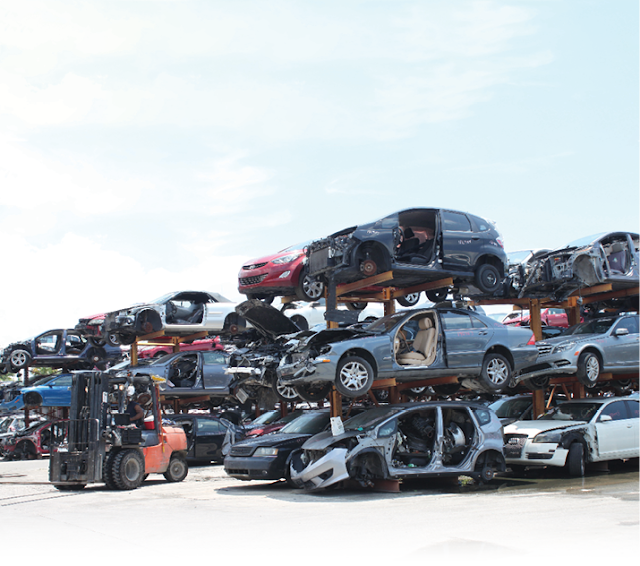
Why Some ‘Junk’ Cars Are Worth More Dead Than Alive Have you ever glanced at that rusty old car in your driveway and felt a pang of nostalgia mixed with frustration? It’s the one that’s been loyal through thick and thin, but now it’s more of a money pit than a reliable ride—constant breakdowns, sky-high repair bills, and that nagging worry about passing the next safety check. What if letting it go could actually line your pockets better than keeping it limping along? In the quirky world of car economics, some vehicles truly shine brighter as scrap than as survivors. This isn’t just about ditching a dud; it’s about unlocking hidden value in metals, parts, and even environmental perks that turn ‘junk’ into a jackpot. We’ll unpack the smart reasons behind this, from soaring scrap prices to clever recycling tricks, all tailored for Aussie drivers facing rising costs and tighter spaces. By the time we’re done, you might rethink that emotional attachment and see scrapping as a fresh start—profitable, practical, and planet-friendly. Stick around as we explore how saying farewell to your faithful four-wheeler could spark a brighter chapter for your garage and your bank account.
Unlocking Hidden Wealth in Scrap Metal: From Rust to Riches
At the heart of a junk car’s value lies its metal makeup. Vehicles are loaded with steel, aluminium, and copper that fetch good prices in today’s market, fuelled by global demand in building and tech. In Australia, scrap steel can bring 11 to 28 cents per kilo, so a one-tonne car might yield $200 or more just from its frame. Add in catalytic converters rich in platinum, and the total climbs fast. Why does this outpace driving it? Repairs often exceed the car’s resale value—think $2,000 for an engine fix on a $1,000 ride. Scrapping skips the drama, offering quick cash instead.
In crowded spots like Sydney, where old cars hog precious space, opting for Sydney car removal simplifies everything. Pros tow it away, sort the paperwork, and ensure eco-safe handling. Junk Car Removal Sydney excels here, delivering efficient service that maximises payouts while keeping things green. It’s a straightforward swap: trade hassle for reward without the sweat.
Reusable Parts That Pay Off: Giving Components a Second Shot
Not everything in a junk car heads straight to the shredder. Many parts—engines, tyres, batteries—remain viable and get resold or refurbished. This boosts the scrap quote significantly, as recyclers salvage what they can for mechanics or DIY enthusiasts. In Australia’s bustling second-hand market, these bits keep repair costs low and support local jobs.
Catalytic converters alone can add hundreds due to their rare metals, while glass and rubber find new uses in products like insulation or playgrounds. It’s a thrifty cycle: your ‘dead’ car revives others, turning waste into wins. For owners, this means better offers than haggling over a worn-out hole.
Green Gains from Scrapping: A Boost for the Environment
Scrapping isn’t just profitable—it’s kind to the planet. Idle cars leak toxins like oil into soil and water, but professional recycling drains them safely. Reusing materials cuts mining needs, saving energy and reducing emissions; recycling one car’s steel powers a home for months. In Australia, this diverts tonnes from landfills, aligning with our sustainability push amid climate challenges.
Key environmental perks include:
- Lower greenhouse gases from reduced manufacturing.
- Conserved resources through part reuse.
- Cleaner communities by clearing clunkers.
This makes scrapping a feel-good choice, blending personal gain with broader good.
When Fixes Fail: The Math Behind Choosing Scrap Over Repair
Crunch the numbers, and scrapping often wins. A $3,000 repair on a low-value car drains savings, plus ongoing rego and fuel add up. Scrap payouts—$400 to $800 typically—provide instant relief, especially with steady metal prices. Second-hand sales are unpredictable, but scrapping guarantees cash without waiting.
Breaking Down the Costs: When Repairs Just Don’t Stack Up Against Scrapping
Diving deeper into the financials, it’s worth comparing the cold hard numbers of repairing versus scrapping. Picture this: your mechanic quotes $3,000 to fix a faulty gearbox on a 15-year-old model worth maybe $1,500 on the open market. That’s money down the drain, especially if more issues pop up soon after. Scrapping, however, could net you $400 to $800 right away, depending on the car’s size and condition—figures backed by recent Australian market trends where scrap values have held steady despite economic ups and downs. Add in ongoing costs like insurance, registration, and fuel for a guzzler that’s inefficient, and the scales tip heavily towards letting it go.
Market fluctuations play a role too; with scrap metal prices influenced by global trade, times of high demand—like during infrastructure booms—make scrapping even more appealing. In contrast, second-hand car sales can be fickle, with buyers shying away from high-mileage vehicles amid rising fuel prices and electric vehicle shifts. Scrapping offers certainty: a quick payout without the wait for a buyer. It’s empowering to realise that what seems like a loss can flip into a gain, freeing up funds for something newer and more reliable. This mindset shift is key for many Aussies juggling budgets in tough times.
What Happens Next: The Life Cycle of a Scrapped Car
Once towed, your car gets assessed: hazards removed, parts salvaged, and the remainder shredded and sorted for remelting. Australia’s 85%+ recycling rate turns old tyres into new goods, creating jobs and cutting imports. It’s efficient and regulated, far better than dumping.
Environmental Perks That Make Scrapping a Smarter Choice for the Planet
Now, let’s shift gears to the greener side of things, because scrapping isn’t just about cash—it’s a boon for the environment too. When you let an old car sit idle, it risks leaking fluids like oil, coolant, and brake fluid into the soil, polluting waterways and harming wildlife. Scrapping, on the other hand, ensures these hazards are handled properly, with professionals draining and disposing of them safely. Beyond that, recycling the materials slashes the demand for mining new ores, which means less deforestation, lower energy use, and reduced greenhouse gas emissions. Did you know that recycling steel from just one car saves enough energy to power a household for months? In Australia, where we’re pushing hard for sustainability goals, this matters a lot—our auto recycling industry diverts millions of tonnes from landfills each year, preserving space and cutting methane releases.
Final Thoughts: Time to Turn Your Junk into Joy
Wrapping this up, it’s evident that some junk cars hold more promise in pieces than on the pavement—delivering cash from metals, value from parts, and eco-boosts that resonate in our resource-conscious world. In tough economic times, this isn’t about loss; it’s empowerment, freeing space and funds for what truly drives you forward. If an old clunker is cramping your style, consider the upside of scrapping—it could be the savvy step you’ve been overlooking.
Ready to cash in? Contact a reliable service today for a no-obligation quote. Transform that eyesore into extra money and peace of mind. What’s your next move? Reach out now and kickstart the change.